

What is Cannabis Ruderalis, and What Makes it So Unique?
Sativa and Indica. Two terms that even the most non-discerning pothead has most likely come to understand over the past decade or so. Tall and energetic, or short and sleepy – that’s the broad brush most people paint our two most well-known ‘groups’ of cannabis with.
But there is another. Cannabis Ruderalis – what is it exactly, and why is it so unique in the weed world?
And while all weed subtypes are actually part of the same genus (Cannabis sativa L.- which is why we are able to cross-breed any strain we like) the story simply doesn’t end with Sativa and Indica…
Understanding Cannabis Ruderalis origins and genetics

Cannabis ruderalis is the pure definition of an outlier. When we think of the origins of weed, there are a few usual suspects: the Hindu Kush mountain range that splits Pakistan and Afghanistan, the tropical rainforests of Southeast Asia, the equatorial sun-drenched homes of some of the Sativa landrace cultivars still among us.
Where does Ruderalis come from and how was it discovered?
Ruderalis doesn’t come from any of those places. Instead, it evolved in some of the harshest parts of the world, and from that tough upbringing, came something pretty surprising.
We’re talking the frigid, windswept regions across Russia, Mongolia, and Siberia. Not exactly what comes to mind when someone mentions the origins of cannabis. But sometimes the strangest environments give rise to the most interesting traits.
The first person to document the Ruderalis offshoot of the cannabis family tree formally was a Russian botanist named D.E. Janischewsky, back in 1924. He noticed it looked and behaved differently from the cannabis plants people were used to.
Shorter. Tougher. Completely unbothered by changes in daylight. That last trait turned out to be its golden ticket…
Genetic differences between Ruderalis, Indica, and Sativa
Ruderalis didn’t stretch tall under tropical sun or hunker down into dense bushes in mountain valleys. It grows fast. It flowers early. It does not wait for the seasons to shift, it just gets on with the job.
In places where summers were short and frosts could sneak in without warning, that adaptation was absolutely key to ongoing survival.
That’s what makes it different. Not just genetically, but in terms of behavior. Where Indica and Sativa follow the sun for their switch from the vegetative growth over to flower production, Ruderalis follows the clock.
From the moment the taproot breaks free, the countdown to flowering begins.
Natural adaptations to harsh environments
At the time of its discovery, it was largely ignored by both the scientific community and the larger cannabis world.
Ruderalis strains were notoriously low in THC, they didn’t look particularly impressive, didn’t offer up any strikingly dank flavours or stank, and certainly wasn’t winning over anyone with bag appeal. In the eyes of most early researchers and growers (even up to just 25 years or so ago), it was a genetic dead-end. The weakling, weedy cousin of “true cannabis”.
That perception wouldn’t last forever. Those natural adaptations, particularly the internal clock that automatically switches the plant growth cycle from veg to flower without needing a change in light, turned out to be incredibly useful.
What Ruderalis lacked in THC, it made up for in raw survival instinct.
It didn’t care about light schedules, didn’t stress when the weather turned, and didn’t waste time. In regions where traditional cannabis couldn’t finish a full life cycle outdoors, Ruderalis thrived. It raced from seed to flower in a matter of weeks, dropped its seeds, and carried on. No fancy grow lights. No waiting for the equinox
Key characteristics that make Ruderalis unique
What is autoflowering, and why is it unique to Ruderalis?
Autoflowering is exactly what the name suggests – that is, plants with this trait will start their flowering cycle automatically, no matter what outside influence is being imparted.
All non auto cannabis strains (Indicas, Sativas, Hybrids) need at least 18 hours of light per day to stay in the vegetative growth stage, but no more than 12 hours of light each day before they’ll start producing buds. This is known as being photoperiod-dependent.
Pants with a certain amount of Ruderalis in their genetic makeup don’t wait for that signal. They start flowering on their own, usually three to four weeks after germination. This trait developed in response to the short summers of its native environment, where waiting for autumn simply wasn’t an option.
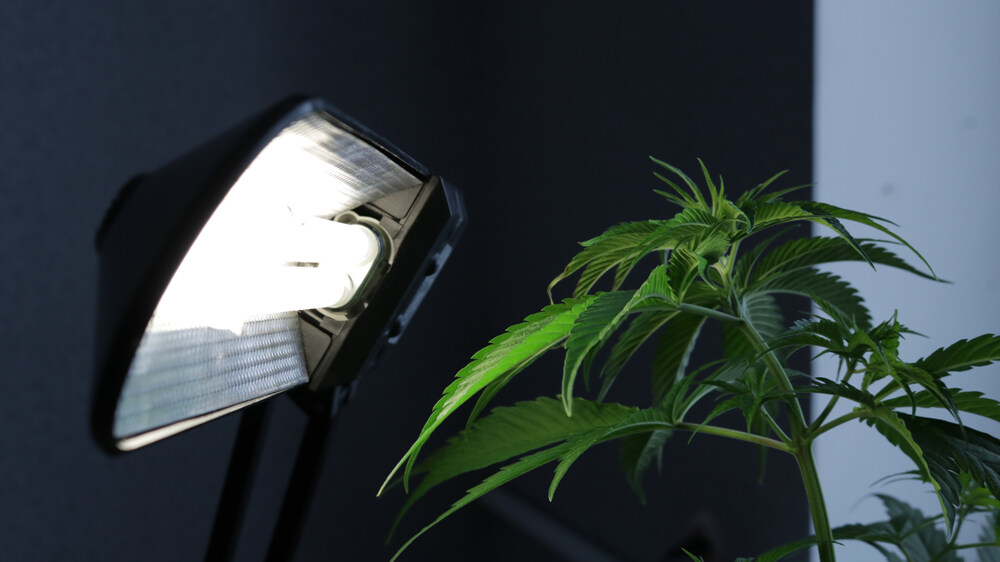
Because Autoflowering weed plants don’t need to rely on light cycles, indoor growers can run a consistent 20/4 light schedule from start to finish. That offers a few key advantages, which we will get into a little further down…
Growth cycle and plant size differences
Ruderalis doesn’t just flower quickly. It finishes quickly too. Most modern Indica crossed autos run from seed to harvest in about eight to ten weeks, with the more Sativa heavy autos taking a little longer (11 to 13 weeks, usually). That’s very fast.
While most autos used to stay quite small, we have seen a revolution in plant size over the past few years. Early-generation Ruderalis hybrids often topped out at one or two feet, but modern strains are getting bigger, and doing so pretty quickly.
A bunch of the better auto options autos can now reach over four to six feet tall, but that is definitely dependent on the environmental conditions and the skill of the grower.
High-stress training doesn’t always go well with autos. Their short lifespan gives them little time to recover. But they do respond well to low-stress training methods, which can help improve yields without slowing the plant down.
THC, CBD, and cannabinoid profiles in Ruderalis strains

Wild Ruderalis strains contain very low levels of THC, often under three percent. They were never known for potency. What they did offer was a unique growth habit and some interesting CBD potential.
Modern breeders have changed that. Today’s autoflowering strains can hit high THC levels of 25% or more. Many also offer balanced CBD levels, which makes them perfect for medical users and wellness-focused growers.
The terpene profiles of autos can differ slightly from photoperiod strains, especially in older hybrids. But newer crosses have narrowed that gap. In most cases, modern autos are just as flavourful and just as effective as their photoperiod kin.
Ruderalis in modern breeding and cultivation
Why breeders cross Ruderalis with Indica or Sativa genetics
- The main goal is to pass on the autoflowering trait without sacrificing strength, flavour, or yield
- Ruderalis genetics contribute not just speed and the ability to flower without changes in light cycles, but also a high level of resilience against less than perfect growing environments.
- Indica and Sativa genetics add potency, structure, flavour, and both intoxicating anf therapeutic effects
- Stabilizing these hybrids can take several generations of careful selection
- The end result is a fully autoflowering plant with the kind of quality growers and consumers actually want
Autoflower hybrids: benefits for home growers and commercial cultivators
For home growers:
- No need to manage light schedules or flip from veg to flower
- Easier to grow in small spaces like closets, balconies, or mini tents
- Fast turnaround allows for multiple harvests per year
- Great for stealth grows or places where discretion matters
- Makes setting up a perpetual harvest cycle super easy
- Very beginner-friendly
- Their size and speed make them great for discreet setups, balconies, or short-season climates.
For commercial cultivators:
- Shorter grow cycles help reduce production timelines
- Plants can finish reliably outdoors
- Greenhouse operations can run more frequent rotations without seasonal constraints
- Faster cropping means quicker returns on investment and more flexibility with planning
How Ruderalis genetics improve resilience and reduce grow time
- Autoflowers go from seed to harvest in as little as 8/9 weeks
- Their quick cycle lowers the risk of pests, disease, or bad weather ruining the crop
- Built-in resistance to stress and cold makes them ideal for outdoor setups
- Many strains finish before mould becomes an issue during late-season grows
- Ruderalis helps make cannabis accessible in regions with short or unpredictable summers
Are there any disadvantages of growing Ruderalis or autoflower strains
- Less forgiving when things go wrong – Autoflowers grow on a fixed timeline. If you overfeed, stunt, or damage them during early growth, there’s little time for recovery. Any mistakes in week two to four can still show up in your final yield.
- Smaller plants, smaller harvests – While yields have improved dramatically in recent years, most autos still produce less per plant compared to a well-trained photoperiod. You can grow more often (and potentially more plants in the same area), but the per-plant output tends to be slightly lower.
- No time to clone – If you want to replicate a favorite auto, you’ll need to pop another seed.
- Variable potency in some genetics – Most reputable breeders have dialed this in, but there are still autos on the market with inconsistent THC or terpene levels. It’s worth sticking with proven genetics.
The future of Ruderalis in the cannabis industry
Emerging trends in autoflower genetics and potency improvements
Autoflowers have come a long way from their low-THC, scrappy origins. Today’s elite hybrids are hitting THC levels of 25 to 30% (with strains starting to even creep into the low 30s), rivaling top-shelf photoperiods in both strength and flavour. Breeders are dialing in terpene profiles also, with many of the very best photo strains being copied over to the auto world.
Stabilization has improved. What used to take several grow cycles is now being refined much faster thanks to better breeding tools and genetic mapping. High-CBD autos are also gaining a bunch oftraction, especially in markets focused on wellness and therapeutic use. Even in rec markets, strains with 15% CBD/THC are starting to make real waves
We’re also seeing the rise of “fast flower” strains. These are hybrids that aren’t quite autoflowering, but still finish more quickly than standard photoperiods. It’s a sign that the lines are blurring, and that Ruderalis genes are playing a growing role in shaping the future of weed production
How autoflowers are shaping the future of home growing
Every year, more people are growing their own bud at home, especially in regions where laws are loosening. For new growers, autoflowers are a natural fit. They’re compact, fast, and simple to manage.
Pair them with a basic LED setup and a few fans. You don’t need full blackout tents, precise timers, or much experience. Just plant in a decent (cannabis-specific if possible) soil mix, water, and wait.
Auto’s have quickly become the starting point for a whole new generation of growers, and it isn’t hard to see why.
Ruderalis genetics have changed the way we grow, no two ways about it. If you want quick, reliable harvests with less hassle, autoflowers are the best choice in 2025.


