
Understanding Cannabis Trichome Stages for Harvesting
Trichomes are a fascinating aspect, and what makes each cannabis plant so unique and special. During the flowering stage, your plants will produce trichomes that contain all the essential oils and terpenes required to truly express themselves, ranging from effect to flavour.
In this article, I will explain the importance of cannabis trichomes, what they are, a maturation timeline guide, and how to evaluate whether your plants are ready to harvest. As well as common mistakes to avoid, to help you become a master of the harvest stage and produce the best quality crops possible.
What Are Cannabis Trichomes and Why Do They Matter
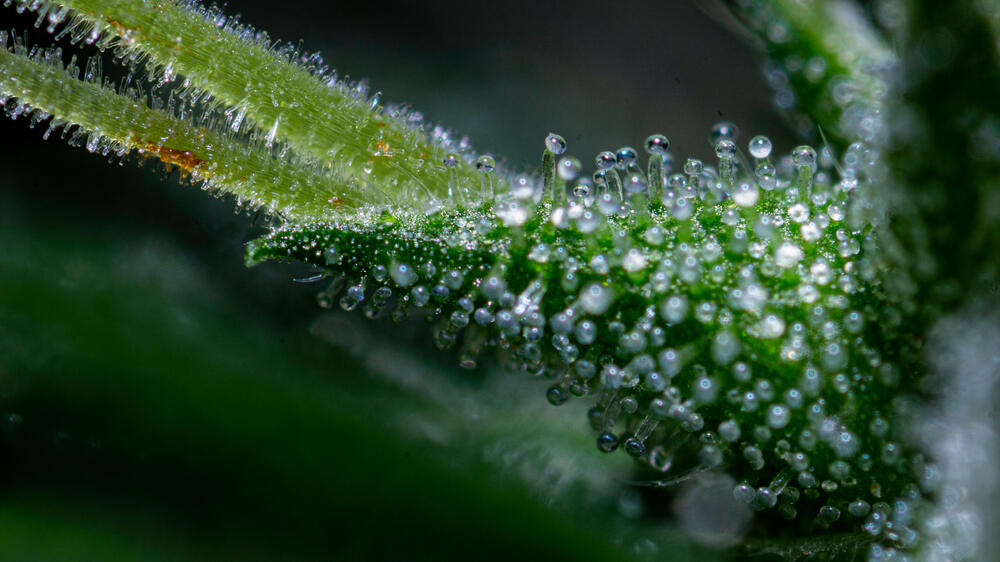
We all know that cannabis buds are the parts of the plant that, when smoked, produce a psychoactive effect accompanied by a complex flavour profile. But did you know that it is actually the tiny trichomes on the calyx of the bud that are the most important when growing top-quality cannabis? There are three types of trichomes, as covered below, including their biological roles in cannabinoid and terpene synthesis.
Types of trichomes (bulbous, sessile, stalked glandular)
Whilst you may think that all the trichomes on a flowering cannabis plant are identical in size and structure, you will be pleasantly surprised to know that there are different types. All of the trichomes covered below each play a significant role.
Bulbous trichomes
- The smallest of the group, ranging from 10 to 15 micrometres in size.
- You will need a magnification tool to see them due to their size.
- They can be found on the calyx, stems, and leaf surfaces.
- They consist of a stalk and a bulb-like trichome head.
- Bulbous trichomes create a protective layer against UV light.
Capitate Sessile trichomes
- Larger in size compared to bulbous, ranging from 25 to 100 micrometres.
- They are the second most common type of trichome found on cannabis plants.
- Produce high quantities of terpenes and cannabinoids.
- Can be found on the buds, leaves and stems.
Capitate Stalked trichomes
- These are the largest trichomes in this group.
- They measure between 150 and 500 micrometres in size.
- Responsible for producing the most significant amounts of cannabinoids and terpenes.
- They have a structure similar to that of capitate sessile trichomes.
The biological role of trichomes — cannabinoid & terpene synthesis
One of the best parts of being a cannabis grower and consumer is the fact that you get to experience an abundance of different aromas, flavours and effects that each different strain provides. The first thing to know is that cannabinoids are what cause the impact of feeling either stoned, euphoric, relaxed, sleepy, upbeat and clear thinking.
Cannabis trichomes not only play a crucial role in the experienced effect, flavour and aroma, they also have many other roles. Trichomes can protect a cannabis plant from environmental stressors such as UV light and pests.
Cannabinoids found in cannabis
- Tetrahydrocannabinol (THC)
- Cannabidiol (CBD)
- Cannabigerol (CBG
- Cannabinol (CBN)
- Cannabichromene (CBC)
- Tetrahydrocannabivarin (THCV)
- Cannabinolic acid (CBNA)
- Cannabidiolic acid (CBDA)
- Tetrahydrocannabinolic acid (THCA)
- Delta-8 THC
Terpenes found in cannabis
- Alpha-Bisabolol
- Alpha-Humulene
- Alpha-Pinene
- Alpha-Terpinene
- Beta-Caryophyllene
- Beta-Myrcene
- Beta-Pinene
- Caryophyllene Oxide
- Eucalyptol
- Limonene
- Linalool
- Nerolidol
The Trichome Maturation Timeline
A farmer would not want to harvest vegetables or fruit too early, and you do not wish them harvested too late either. The exact same goes for cannabis, and especially after you have put months of hard work and affection into your grow room, it will be advantageous to know the exact moment to harvest your crop for the best quality effect, taste and aroma. Below is a list of the trichome development stages and what to consider when preparing to chop your plant.
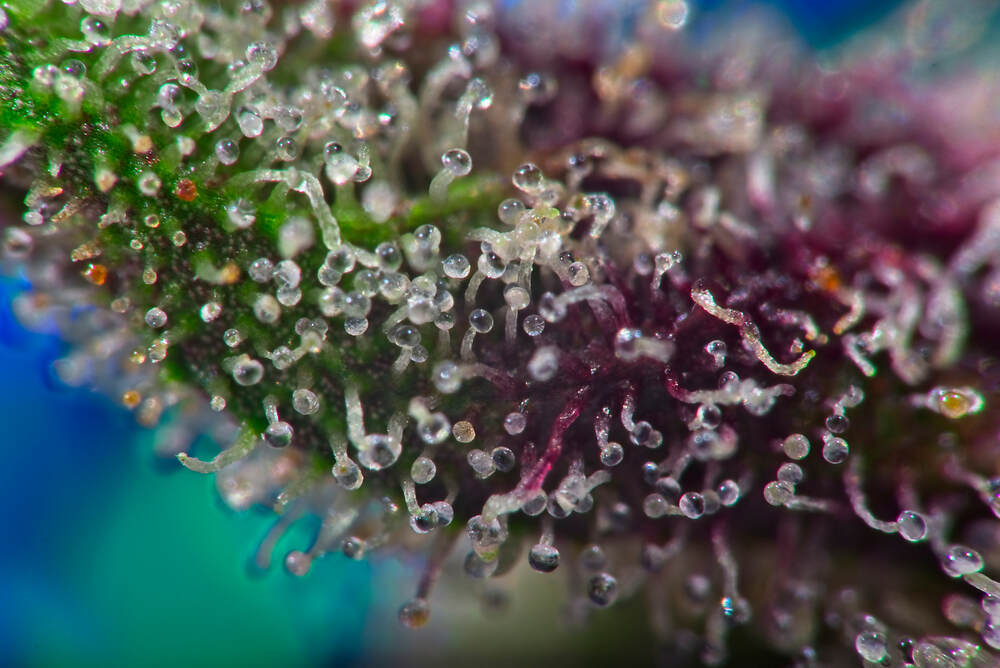
Because trichomes are so tiny and precious, it is impossible to examine their colour and characteristics without magnification. Once you acquire the right tool, you will observe that the different stages range from clear to milky, amber, and mixed, and are explained in detail below.
Early / “clear” stage — what’s happening chemically
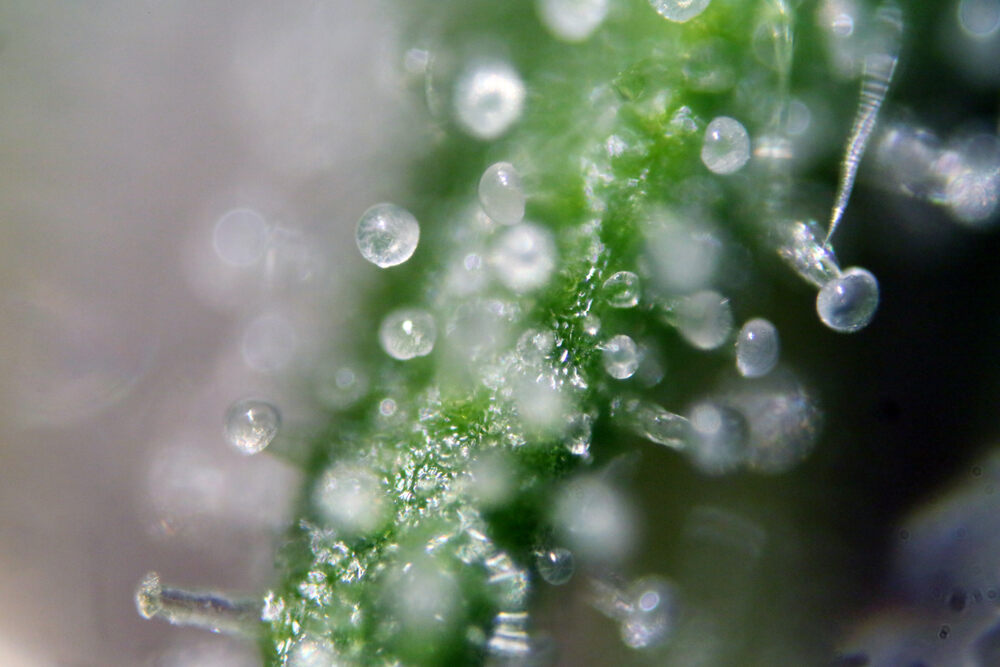
During the early stage of trichome maturity, you will notice that whilst the trichome possesses a solid structure with a neck and a rounded head, under closer inspection, the inside of the trichome is explicit. There will be a clear, glass-like appearance, indicating that the cannabinoids and terpenes are not yet fully developed. If you were to harvest your plants when the trichomes are clear, a laboratory analysis would reveal the lowest levels of terpenes and cannabinoids present.
Milky / cloudy stage — peak THC & terpene accumulation
Once you enter the final few weeks of flower production, the trichomes, if checked, will produce a milky and cloudy trichome head. It is at this point that your plants are at the pinnacle of cannabinoid and terpene production, and when your plants will produce the ultimate aroma, flavour and effect when consumed. It is recommended to harvest your plants at this stage to maintain peak accumulation.
Amber / brown stage — degradation into CBN, sedative shift
Typically, after the expected harvest date, if you do not harvest your plants and they are exposed to light, they will mature into amber-coloured trichome heads. The reason is that the cannabinoids are shifting from THC and CBD into CBN. This transformation and degradation process induces a more sedative effect. Cannabis buds smoked when the trichomes are mostly amber or brown will result in a potent, sleepy, heavy-bodied, lazy and couch-locking effect.
Mixed / transitional states & “sweet spot” considerations
Over the years, I have experimented with different harvesting techniques based solely on trichome head characteristics and appearance. I have learnt that it is best to harvest your crop when the trichomes under a microscopic tool are 80% milky and 20% amber, and this is my personal sweet spot. Avoid harvesting too early, when the trichomes are clear, but be vigilant to prevent them from turning amber.
Tools & Methods to Evaluate Trichome Stage
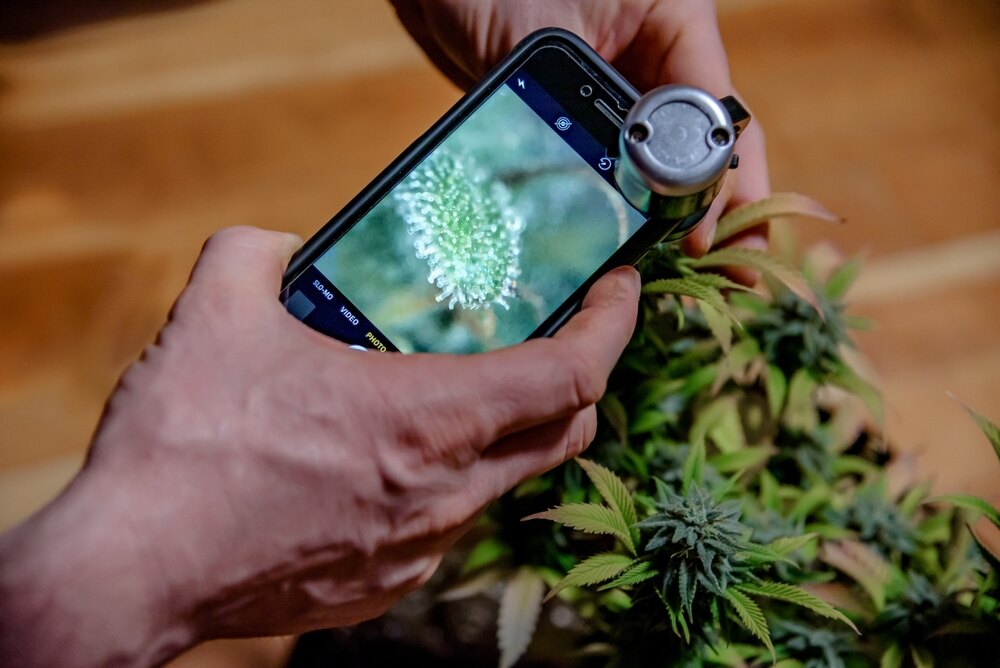
When looking at a cannabis plant late in flower, you will most likely see that the plant appears frosted. The buds, leaves and stems are coated in sugary resin; however, you really need a magnification tool to get up close and personal and see what is happening at the microscopic level. Below is a breakdown of the magnification tools that may be available to you, along with the best method for inspecting the buds.
Microscopes, loupes, macro photography
Below is a list of the three different ways you can take your harvesting skills to a whole other level. You can buy any of these items online or, in most cases, at your local grow shop.
Microscopes
These handheld microscopes are an absolute game-changer for an indoor grower. They can zoom in up to 200 times closer, allowing you to see the trichomes like you have never seen them before! They usually range from 20 to 50 euros and are a significant investment, especially for beginner-level growers.
Loupes
A loupe provides enhanced visibility of a tiny subject matter at close range. It is most commonly found in jewellers, where diamonds and precious stones are carefully inspected. They are also highly effective when examining a sample bud up close and can zoom in 20, 60, and 90 times.
Macro photography
In the old days, you probably needed a specially suited macro camera and macro lens to examine cannabis buds up close. Nowadays, you can actually buy macro lens attachments that fit onto a camera phone. Macro photography not only produces breathtaking photos that could easily make the front cover of any cannabis magazine, but also allows you to see the trichome structure and state in phenomenal detail.
Sampling multiple bud sites
There is nothing wrong with using your preferred magnification tool and the top buds to examine your buds. However, you really want to achieve the optimal harvest window. In that case, it is advised to sample buds from the top, middle, and bottom of the canopy. Doing so will show whether there is any variation among buds, whether they are all the same, and how early or late trichome development is.
How to Determine the Optimal Harvest Window
As a cannabis grower, knowing when to harvest should not only be based on the recommended harvest date that the breeder or seed bank provides. Based on my years of experience, I strongly recommend using the harvest date in combination with factors such as bract development, resin and terpene production, pistil colour, and bud density. Below is a list of variables to consider to achieve the optimal harvest window.
Matching trichome stage to desired effect
Every smoker is different and has their own preferences regarding potency. Some smokers prefer a clear and euphoric cerebral effect ideal for the morning and daytimes, whilst others desire that heavy-hitting evening time smoke. So I would encourage you to find your own sweet spot based on the genetics you are growing and your personal preference and requirements.
Using stigma/pistil colour & other visual cues to support trichome observations
Around 20 years ago, one way to know if your plants were ready was to base your harvest on how white or brown the pistils became. Pistils are the tiny hairs that appear from week 4 onwards of the vegetation stage (18/6) and produce the first female pre-flowers on a cannabis plant. Now that we can research cannabis plants much more and compare data analysis, using the pistil colour as a guide is acceptable, only when combined with the following list.
Bract development
The bracts of a cannabis bud are teardrop-shaped, giving the plants a compact, dense structure. A fully mature bract will begin to swell and, in some cases, form a foxtail.
Resin production
This refers to how frosty and resinous your plants are. During the final stage of flower production, your plants will contain the most resin possible.
Trichome maturity
The trichome head will reveal everything you need to know. You will notice that the trichomes are either transparent, milky, or amber, and can quickly shift in colour and appearance during the last 7 days of bloom. So pay close attention and check your buds with a magnification tool daily.
Terpenes and aroma
Considering that more developed trichomes indicate higher levels of cannabinoids and terpenes. One helpful way to tell if your plants are close to harvest is by their aroma.
Flowering time
Every strain has a different flowering time based on its genetic makeup. Indica plants are much shorter and have a 7-8 week flower time; sativa plants have the longest flowering time, 10-13 weeks; and hybrids of indica and sativa take 8-10 weeks to fully mature.
Staggered / selective harvest
If you find that the top part of your canopy of buds appears in a mature state compared to the middle or lowest buds, then why not consider a staggered harvest? The advantage of harvesting your plants in stages is that the remaining canopy will be exposed to more intense lighting, and therefore will have the optimal time frame to mature and produce consistent results in terms of effect, flavour, and taste.
Common Mistakes & FAQs in Trichome Stage Assessment
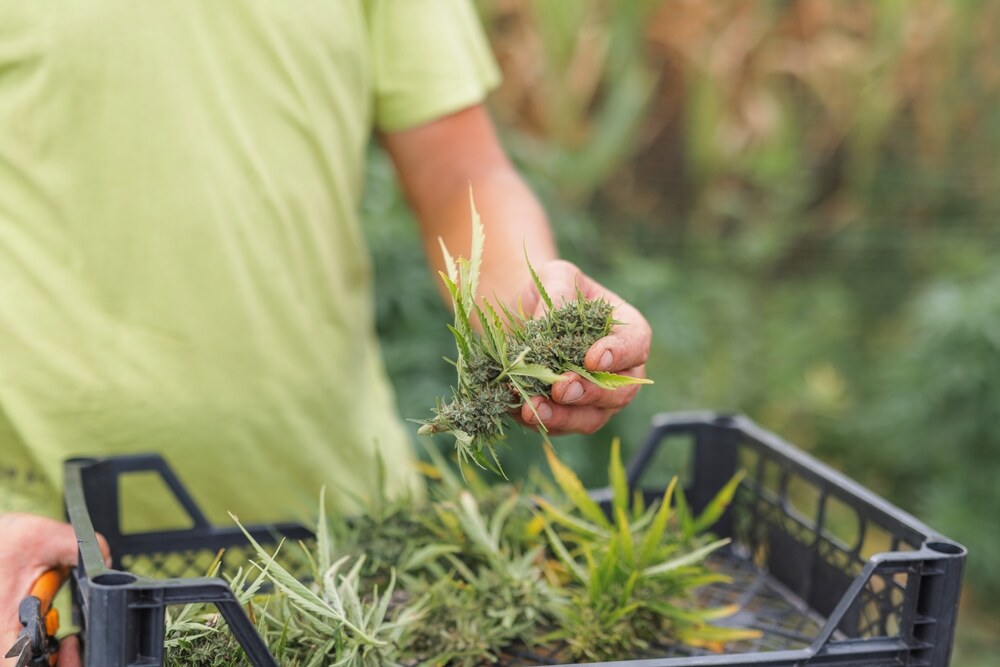
As a beginner-level grower, it can be challenging to determine if you have harvested too early or too late. Even with the correct magnification tool, deciding whether you have correctly assessed trichome characteristics can be tricky and take lots of practice. Below, I have highlighted the most common mistakes a first-time grower can make, such as misreading trichome colour, waiting too long, and relying solely on pistil colour.
Misreading clear vs cloudy trichomes
Approaching the final few weeks of your harvest can be a fascinating time. You are only a short time away from having jars full of high-grade buds. The best advice I can give you is to double-check that your trichomes are cloudy and not clear. The easiest way is to wait until you notice the trichome heads are milky, hazy or have a silver hue.
Waiting too late (all amber) and loss of potency
There may be instances when you are unable to harvest your plants on the exact day you wanted. However, if you can harvest on time, avoid harvesting too late. This means when the trichomes are all amber, and there are no signs of cloudy or milky ones. The main reason is that the cannabinoids will be mostly CBN.
Overreliance on pistil colour alone
Harvesting based on pistil colour alone worked decades ago, but if you want to get the most out of your harvest and choose the optimal harvest window, use all the other variables covered in the article. They are bract development, resin production, bud density, trichome maturity and terpene production.