

What Is Cannabis Ruderalis, and Why Is It So Important to Autoflower Genetics?
When most people think about cannabis genetics, they think of Indica and Sativa. However, a third branch of the cannabis family tree has had a major impact on modern cultivation: Cannabis Ruderalis.
Unlike traditional cannabis varieties, Ruderalis evolved the ability to flower automatically based on age rather than changes in daylight hours. This unique adaptation helped it survive in harsh environments and later became one of the most valuable traits in cannabis breeding.
Today, Ruderalis genetics form the foundation of virtually every autoflower cannabis strain. By crossing Ruderalis with elite Indica and Sativa cultivars, breeders have created autoflowers that combine automatic flowering with impressive potency, terpene profiles, yields, and fast harvest times.
In this guide, we’ll explore the origins of Cannabis Ruderalis, its defining characteristics, its role in modern autoflower breeding, and why it continues to shape the future of cannabis cultivation.
Understanding Cannabis Ruderalis Origins and Genetics

Cannabis Ruderalis is the outlier of the cannabis world. While Indica and Sativa dominate most conversations about cannabis genetics, Ruderalis possesses a unique characteristic that would eventually transform modern cultivation: the ability to flower automatically.
Today, Ruderalis genetics form the foundation of virtually every commercial autoflower strain, making it one of the most influential cannabis populations in modern breeding despite its humble origins.
Where Does Ruderalis Come From and How Was It Discovered?
Unlike many cannabis varieties that originated in the mountainous regions of Central Asia or the tropical climates of Southeast Asia, Cannabis Ruderalis evolved across the harsh northern landscapes of Russia, Siberia, and Mongolia.
The plant was first formally documented in 1924 by Russian botanist D.E. Janischewsky, who observed that it behaved differently from the cannabis varieties commonly cultivated at the time. Ruderalis plants were smaller, more resilient, and uniquely adapted to environments with short growing seasons, unpredictable weather, and early frosts.
Those challenging conditions shaped one of the most important adaptations in cannabis evolution. Rather than relying on seasonal changes in daylight to trigger flowering, Ruderalis developed the ability to flower according to age, ensuring it could complete its life cycle before winter arrived.
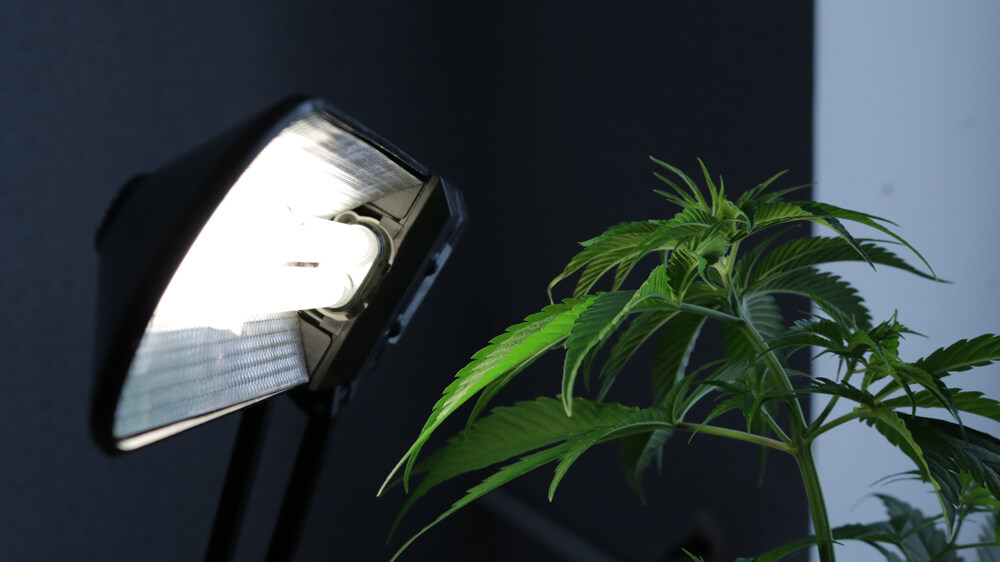
How Ruderalis Genetics Created Modern Autoflower Strains
The key difference between Ruderalis and traditional Indica or Sativa varieties lies in how the plant enters its flowering stage.
Photoperiod cannabis strains depend on changing daylight hours to signal the transition from vegetative growth to flowering. Ruderalis follows a different strategy. It operates on an internal clock.
From the moment the taproot emerges, the countdown to flowering begins. This age-based flowering mechanism allowed Ruderalis to thrive in regions where waiting for autumn could mean failing to reproduce altogether.
For modern breeders, this trait proved invaluable.
By introducing Ruderalis genetics into elite Indica and Sativa cultivars, breeders were able to create autoflower seeds for beginners that flower automatically while maintaining the potency, terpene production, structure, and yields expected from premium cannabis genetics.
Natural adaptations to harsh environments
For decades, Ruderalis was largely overlooked due to its small size, low THC content, and limited commercial appeal. Many early breeders viewed it as little more than a wild cannabis population with few desirable traits.
That perception changed once its autoflowering capability was fully understood.
What Ruderalis lacked in cannabinoid production, it more than compensated for through resilience. Its ability to thrive in harsh climates, complete its lifecycle quickly, and flower independently of light schedules made it an ideal breeding partner.
Today, nearly every autoflower strain traces its lineage back to Ruderalis genetics. Through decades of selective breeding and stabilisation, breeders have preserved the automatic flowering trait while dramatically improving potency, flavour, cannabinoid content, and overall performance.
The result is modern autoflower cannabis: fast-growing, highly productive plants that combine the resilience of Ruderalis with the quality and effects of elite Indica and Sativa genetics.
Key Characteristics That Make Cannabis Ruderalis Unique
What is Autoflowering and Why Is It Unique to Ruderalis?
The most significant contribution Cannabis Ruderalis has made to modern cannabis cultivation is the autoflowering trait.
Traditional photoperiod cannabis strains rely on changes in daylight hours to trigger flowering. Most require long periods of light to remain in vegetative growth before transitioning into flower as daylight hours decrease. Ruderalis evolved a different survival strategy.
Native to the harsh climates of Russia, Siberia, and Mongolia, Ruderalis adapted to short growing seasons and unpredictable weather by flowering according to age rather than daylight exposure. This allowed the plant to complete its lifecycle before the arrival of early frosts.
In practical terms, plants carrying Ruderalis genetics begin flowering automatically, usually within three to five weeks of germination, which is why understanding how long autoflowers veg for is important for planning your grow, regardless of the light schedule. This unique adaptation would later become the foundation of every modern autoflower strain.
Ruderalis vs Photoperiod Cannabis
| Characteristic | Cannabis Ruderalis | Photoperiod Cannabis (Indica & Sativa) |
| Flower Trigger | Plant age | Changes in daylight hours |
| Flowering Type | Autoflowering | Photoperiod |
| Native Environment | Russia, Siberia, Mongolia | Central Asia, South Asia, tropical regions |
| Growing Season | Short | Longer seasonal cycle |
| Plant Structure | Small and compact | Medium to large |
| THC Content (Wild Plants) | Low | Moderate to high |
| Commercial Use Today | Breeding genetics | Flower production |
For breeders, the autoflowering trait solved one of the biggest limitations of traditional cannabis cultivation. Rather than relying on seasonal light changes, growers could produce reliable harvests under a consistent lighting schedule, making cannabis cultivation faster, more flexible, and accessible across a wider range of environments.
Growth Cycle and Plant Structure
While pure Ruderalis plants are naturally small and fast-growing, modern autoflower strains have undergone decades of selective breeding.
Many contemporary autoflower cultivars can progress from seed to harvest in as little as 8 to 12 weeks, with some genetics bred specifically as 60 day autoflower seeds for growers seeking rapid harvest cycles.
Plant size has evolved considerably as well. Early autoflower hybrids were often compact and relatively low yielding. Today’s genetics are capable of producing substantially larger plants, with some outdoor cultivars reaching 1.2 to 1.8 metres when grown under favourable conditions.
Because they operate on a fixed autoflower life cycle, mistakes made during early growth can have a greater impact on final performance, experienced growers generally favour low-stress training (LST) techniques over high-stress methods. While LST can improve canopy development and light penetration, excessive stress during early growth may reduce final yields because the plant has limited time to recover.
The practical advantages Ruderalis contributes to modern autoflowers include:
- Automatic flowering without light cycle manipulation
- Faster harvests and crop turnover
- Greater resilience to environmental stress
- Better performance in short growing seasons
- The ability to achieve multiple harvests per year
These characteristics explain why Ruderalis remains one of the most valuable genetic resources in modern autoflower breeding.
THC, CBD, and Cannabinoid Profiles
From a breeder’s perspective, Ruderalis is not valuable because of its cannabinoid content. Its true importance lies in the autoflowering gene that allows modern cultivars to complete their lifecycle independently of seasonal light changes.
One of the most common misconceptions among newer growers is that modern autoflowers are simply Ruderalis plants.
In reality, today’s autoflower cultivars are highly refined hybrids that retain the Ruderalis autoflowering trait while inheriting most of their potency, flavour, terpene production, and yield potential from carefully selected Indica and Sativa breeding stock.

From a breeder’s perspective, Ruderalis is not valuable because of its cannabinoid content. Its true importance lies in the autoflowering gene that allows modern cultivars to complete their lifecycle independently of seasonal light changes.
One of the most common misconceptions among newer growers is that modern autoflowers are simply Ruderalis plants.
In reality, today’s autoflower cultivars are highly refined hybrids that retain the Ruderalis autoflowering trait while inheriting most of their potency, flavour, terpene production, and yield potential from carefully selected Indica and Sativa breeding stock.
Pure Ruderalis vs Modern Autoflower Strains
| Feature | Pure Ruderalis | Modern Autoflower Strains |
| THC Content | Usually below 3% | Commonly 20–30%+ |
| CBD Content | Variable | Bred for specific cannabinoid ratios |
| Yield Potential | Low | Moderate to high |
| Flowering Trigger | Age | Age |
| Terpene Production | Limited | Comparable to photoperiod strains |
| Commercial Appeal | Low | High |
| Cultivation Purpose | Genetic resource | Commercial cultivation |
Wild Ruderalis populations were never cultivated for potency and typically contain very low THC concentrations. Their value lies in the traits they contribute rather than the flowers they produce.
Modern autoflower genetics are the result of decades of selective breeding. Breeders have preserved the autoflowering trait while dramatically improving potency, terpene production, yields, cannabinoid content, and overall plant performance.
Today, many premium high THC autoflower seeds regularly exceed 20–25% THC, with some elite genetics pushing cannabinoid levels even higher under optimal growing conditions.
As a result, modern autoflowers can now rival many photoperiod strains in flavour, potency, aroma, and overall harvest quality while retaining the speed and convenience that made autoflower genetics so valuable in the first place.
Ruderalis in Modern Breeding and Cultivation
Why Breeders Cross Ruderalis With Indica and Sativa Genetics
The role of Ruderalis in modern cannabis breeding is straightforward. Breeders use it to introduce the autoflowering trait into high-performing cannabis cultivars while preserving the potency, flavour, yield potential, and plant structure growers expect from premium genetics.
On its own, Ruderalis offers limited commercial appeal. However, when combined with carefully selected Indica and Sativa cultivars, it becomes an incredibly valuable breeding tool. Through multiple generations of selection, breeders can create stable autoflower strains that retain automatic flowering while delivering the cannabinoid content, terpene profiles, and performance demanded by today’s market, a process explored in greater detail in our guide to breeding autoflowers.
Why Breeders Value Ruderalis Genetics
| Ruderalis Trait | Benefit in Modern Autoflower Breeding |
| Autoflowering trait | Eliminates the need for light cycle manipulation |
| Rapid maturation | Faster crop turnover |
| Environmental resilience | Improved performance in challenging conditions |
| Compact growth structure | Suitable for smaller cultivation spaces |
| Adaptability | Greater cultivation flexibility indoors and outdoors |
The challenge for breeders has always been balancing convenience with quality. Modern autoflower cultivars are the result of decades of refinement aimed at improving yield, potency, consistency, and terpene expression while maintaining reliable autoflower performance.
Benefits for Home Growers and Commercial Cultivators
Autoflower genetics have expanded the range of environments in which cannabis can be successfully cultivated.
Home Growers
For home cultivators, autoflowers offer a simple and accessible growing experience:
- No need to adjust lighting schedules to trigger flowering
- Suitable for grow tents, balconies, greenhouses, and compact spaces
- Faster harvest cycles than most photoperiod varieties
- Well suited to perpetual harvest systems
- Ideal for beginners seeking a straightforward cultivation process
Commercial Cultivators
Commercial operations benefit from the efficiency that autoflower genetics can provide:
- Shorter production cycles
- More frequent crop rotations
- Increased scheduling flexibility
- Reliable outdoor finishing makes many outdoor autoflower seeds particularly attractive for growers dealing with shorter seasons or unpredictable weather conditions.
- Reduced exposure to late-season weather risks
How Ruderalis Genetics Improve Cultivation Efficiency
One of the biggest advantages of modern autoflower strains is their ability to complete their lifecycle quickly and predictably.
Many cultivars reach harvest within 8 to 12 weeks from seed, allowing growers to reduce production timelines and increase annual crop frequency. Shorter cultivation cycles can also reduce exposure to common cultivation challenges such as prolonged pest pressure, adverse weather, and late-season mould outbreaks.
For growers in cooler regions or areas with unpredictable growing seasons, autoflower genetics have made cannabis cultivation possible where traditional photoperiod varieties may struggle to finish successfully.
Autoflowers vs Photoperiod Cannabis
| Feature | Autoflower Strains | Photoperiod Strains |
| Flower Trigger | Plant age | Light cycle |
| Seed to Harvest | 8–12 weeks | 12–20+ weeks |
| Training Window | Short | Long |
| Cloning Potential | Limited | Excellent |
| Yield Potential | Moderate to high | High |
| Beginner Friendly | High | Moderate |
Are There Any Disadvantages to Growing Autoflowers?
Despite significant advances in breeding, autoflowers still present a few trade-offs that growers should understand.
Because they operate on a fixed lifecycle, mistakes made during early growth can have a greater impact on final performance. Nutrient issues, transplant stress, or aggressive training techniques may reduce yield because the plant has less time to recover than a comparable photoperiod cultivar.
While modern autoflowers are capable of impressive harvests, many experienced growers still find that large photoperiod plants can produce greater yields per individual plant when grown under optimal conditions.
Cloning is another limitation, as it’s generally impractical to clone an autoflower in the same way as a photoperiod cultivar. Since autoflower plants continue ageing regardless of propagation, maintaining a mother plant in the same way as a photoperiod cultivar is generally not practical.
Breeder Insight
The success of modern autoflowers is not the result of Ruderalis alone. It is the product of decades of selective breeding aimed at combining automatic flowering with elite cannabis genetics. Today’s best autoflower cultivars offer a balance of speed, potency, terpene production, resilience, and ease of cultivation that would have been difficult to imagine during the earliest generations of autoflower breeding.
The Future of Ruderalis in the Cannabis Industry
Emerging Trends in Autoflower Genetics
Autoflower genetics have undergone remarkable development over the past two decades. What began as a niche category valued primarily for convenience has evolved into one of the most active areas of modern cannabis breeding.
Many of today’s premium autoflower cultivars can compete with photoperiod varieties for potency, terpene production, cannabinoid content, and overall plant performance. Improvements in breeding techniques, genetic selection, and cultivar stabilisation have enabled breeders to retain the autoflowering trait while continually enhancing quality and consistency.
The rapid advancement of autoflower genetics reflects a broader shift within the cannabis industry. Rather than treating autoflowers as a separate category, many breeders now release both photoperiod and autoflower versions of their most popular cultivars, allowing growers to choose the format that best suits their cultivation goals.
Emerging Trends in Autoflower Breeding
| Trend | Impact on Growers |
| Higher cannabinoid content | Greater potency and market appeal |
| Improved terpene expression | Enhanced flavour and aroma profiles |
| Larger plant structures | Increased yield potential |
| High-CBD autoflowers | Expanded wellness-focused options |
| Fast-flowering hybrids | Greater cultivation flexibility |
| Improved genetic stability | More consistent crop performance |
Interest in high-CBD autoflowers continues to grow, particularly in markets focused on wellness and therapeutic applications. At the same time, breeders are developing increasingly sophisticated cannabinoid and terpene combinations to meet evolving consumer preferences.
Another notable development is the rise of fast-flowering cultivars. These hybrids bridge the gap between traditional photoperiod plants and autoflowers, offering accelerated flowering times while maintaining many characteristics associated with photoperiod genetics.
How Autoflowers Are Shaping the Future of Home Growing
As home cultivation becomes more accessible in many parts of the world, autoflowers are increasingly becoming the entry point for new growers.
Their compact size, predictable lifecycle, and simplified cultivation requirements make them particularly appealing to hobbyists and first-time cultivators. Modern autoflowers have lowered the barrier to entry, allowing growers to achieve successful harvests without managing complex lighting schedules or seasonal flowering cycles.
For experienced growers, autoflowers offer additional flexibility through staggered planting schedules, perpetual harvest systems, and multiple outdoor harvest opportunities in suitable climates.
Looking Ahead
The influence of Ruderalis genetics on modern cannabis cultivation is likely to continue expanding. As breeding technology advances and genetic stability improves, autoflower cultivars will continue narrowing the gap between convenience and performance.
What was once considered a niche breeding project has become a major segment of the cannabis industry. Today, autoflowers offer a combination of speed, reliability, adaptability, and quality that appeals to both new growers and experienced cultivators alike, ensuring Ruderalis genetics remain an important part of cannabis breeding for years to come.
Frequently Asked Questions About Cannabis Ruderalis
Can You Grow Pure Cannabis Ruderalis?
Yes, pure Ruderalis can still be found and cultivated, although it is rarely grown commercially. Most growers prefer modern autoflower hybrids, which retain the autoflowering trait while offering significantly improved potency, yields, and terpene profiles.
Why Can’t Autoflower Plants Be Kept as Mother Plants?
Unlike photoperiod cannabis, autoflowers continue ageing regardless of lighting conditions. This means they cannot be kept in a permanent vegetative state for cloning or long-term propagation, making fresh seeds necessary for each grow cycle.
Are Autoflowers Better Indoors or Outdoors?
Autoflowers perform well in both environments. Indoor growers benefit from simplified lighting schedules and fast harvests, while outdoor growers often appreciate their ability to finish before poor weather, pests, or late-season mould become significant issues.
How Many Harvests Per Year Can You Get From Autoflowers?
The exact number depends on climate and growing conditions, but the short lifecycle of autoflowers allows many growers to achieve multiple harvests within a single growing season. Indoor cultivators can often maintain continuous production throughout the year.
What Is the Difference Between Fast-Flowering and Autoflower Strains?
Autoflower strains flower according to age, while fast-flowering strains still require changes in light cycles to begin flowering. Fast-flowering cultivars typically finish more quickly than standard photoperiod plants but do not possess true autoflower genetics.
Are Modern Autoflowers as Flavourful as Photoperiod Strains?
In many cases, yes. Advances in breeding have significantly improved terpene production in autoflower cultivars, with many modern strains delivering aroma and flavour profiles comparable to their photoperiod counterparts.
What Should Beginners Look for When Choosing an Autoflower Strain?
New growers should prioritise stable genetics from reputable breeders. Traits such as resilience, ease of cultivation, disease resistance, and consistent performance are often more important than chasing the highest THC percentages for a first grow.


