
When to Harvest Autoflower Plants: A Complete Grower’s Guide
Harvesting an autoflower at the right time is essential for maximizing potency, flavor, aroma, and overall flower quality. While many growers rely on breeder timelines, these should only be used as a guide. Genetics, environmental conditions, and cultivation practices can all affect how quickly an autoflower reaches maturity.
The key is learning to recognize the signs that indicate your plant is ready to harvest. Although trichome development is the most reliable indicator, experienced growers also assess factors such as bract swelling, bud density, resin production, aroma, and overall plant maturity. Looking at multiple indicators together provides a more accurate picture than relying on a single sign alone.
In this guide, you’ll learn how to evaluate trichome maturity, identify important harvest indicators, and determine the optimal harvest window for your autoflower plants to achieve the effects, flavor, and quality you’re aiming for.
What Are Cannabis Trichomes and Why Do They Matter?
If you’re wondering when to harvest your autoflower plants, trichomes are the most important part of the plant to understand.
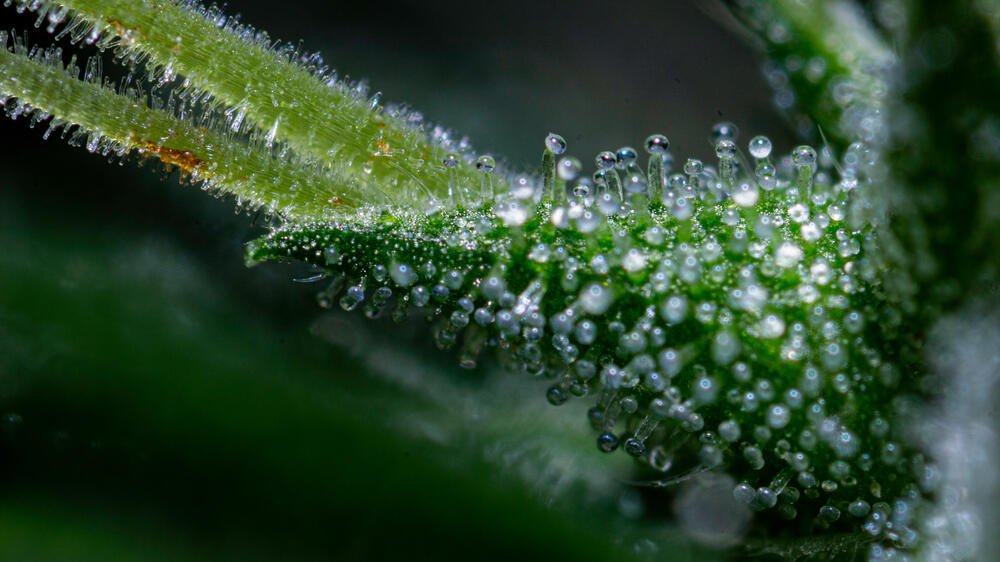
These tiny resin glands develop across the flowers and sugar leaves during the flowering stage. While cannabis buds are known for their potency, flavor, and aroma, it is actually the trichomes that produce the compounds responsible for these characteristics.
For autoflower growers, trichomes are also the most reliable indicator of harvest readiness. Breeder timelines can provide a useful estimate, but every plant develops at a slightly different rate depending on genetics and growing conditions. This is why experienced growers inspect trichome maturity before deciding when to harvest.
The Three Types of Cannabis Trichomes
Cannabis plants produce three primary types of trichomes. Although all contribute to the plant’s natural defense system, only one plays a major role in determining the ideal harvest window.
| Trichome Type | Size | Location | Primary Function |
| Bulbous | 10–15 μm | Leaves, stems and flowers | Protection against environmental stress and UV exposure |
| Capitate Sessile | 25–100 μm | Buds, leaves and stems | Resin production and plant defense |
| Capitate Stalked | 150–500 μm | Primarily flowers | Main source of cannabinoids and terpenes used for harvest assessment |
Bulbous Trichomes
Bulbous trichomes are the smallest resin glands found on cannabis plants. Due to their microscopic size, they can only be seen with magnification. Their primary role is protecting the plant from environmental stressors.
Capitate Sessile Trichomes
These medium-sized trichomes are found throughout the plant and contribute to resin production during flowering. They are more abundant than bulbous trichomes and become increasingly visible as flowers mature.
Capitate Stalked Trichomes
Capitate stalked trichomes are the most important trichomes for growers monitoring harvest readiness. These mushroom-shaped resin glands contain the highest concentration of cannabinoids and terpenes.
When inspecting my autoflower plants during the final weeks of flowering, these are the trichomes I focus on. Their transition from clear to cloudy and eventually amber provides the clearest indication of maturity and helps identify the optimal harvest window.
The Biological Role of Trichomes
Trichomes serve several important functions throughout the life of a cannabis plant. In addition to protecting flowers from pests, pathogens, and UV radiation, they are responsible for producing the compounds that define each cultivar’s unique characteristics.
As flowering progresses, trichomes synthesize cannabinoids and terpenes while resin production steadily increases. During late bloom, these compounds reach their peak concentration before gradually degrading if harvest is delayed for too long.
This process is particularly important when growing autoflowers, as the harvest window can be relatively short compared to some photoperiod varieties.
Common Cannabinoids Found in Cannabis
Cannabinoids are naturally occurring compounds produced within the trichomes. They contribute to the overall effects experienced when consuming cannabis.
| Cannabinoid | Description |
| THC (Tetrahydrocannabinol) | Primary psychoactive cannabinoid responsible for potency |
| CBD (Cannabidiol) | Non-intoxicating cannabinoid commonly associated with balance and wellness |
| CBG (Cannabigerol) | Often referred to as the “mother cannabinoid” as many cannabinoids originate from it |
| CBN (Cannabinol) | Produced as THC naturally degrades over time |
| CBC (Cannabichromene) | A minor cannabinoid that contributes to the plant’s overall cannabinoid profile |
| THCV (Tetrahydrocannabivarin) | A naturally occurring cannabinoid found in certain cultivars |
| THCA (Tetrahydrocannabinolic Acid) | The raw precursor to THC |
| CBDA (Cannabidiolic Acid) | The raw precursor to CBD |
| CBNA (Cannabinolic Acid) | The precursor compound to CBN |
| Delta-8 THC | A naturally occurring minor cannabinoid present in small amounts |
Common Terpenes Found in Cannabis
Terpenes are aromatic compounds that create the distinctive scents and flavors associated with different cannabis strains.
| Terpene | Typical Aroma Profile |
| Alpha-Bisabolol | Floral and sweet |
| Alpha-Humulene | Earthy and woody |
| Alpha-Pinene | Pine and forest-like |
| Alpha-Terpinene | Herbal and citrus |
| Beta-Caryophyllene | Peppery and spicy |
| Beta-Myrcene | Earthy and musky |
| Beta-Pinene | Pine and herbal |
| Caryophyllene Oxide | Woody and spicy |
| Eucalyptol | Minty and refreshing |
| Limonene | Citrus and lemon |
| Linalool | Floral and lavender |
| Nerolidol | Woody and fresh bark |
Why Trichomes Matter When Harvesting Autoflowers
Knowing when to harvest autoflower plants comes down to understanding trichome maturity.
During the final stages of flowering, trichomes undergo visible changes that reflect the plant’s chemical development throughout the autoflower life cycle. As they mature, potency, aroma, and flavor reach their peak before gradually declining.
Rather than relying solely on breeder estimates or pistil color, monitoring trichome development provides a much more accurate indication of harvest timing, especially when growing modern beginner strains that are bred to finish within a predictable harvest window. By understanding how trichomes evolve throughout flowering, you can consistently harvest autoflowers at their highest quality and achieve the effects you are looking for.
One thing we’ve consistently observed during autoflower breeding and testing is that different cultivars can express maturity slightly differently. Some plants may begin showing amber trichomes while still actively swelling their flowers, while others remain mostly cloudy until very close to harvest. This is why we recommend looking at overall plant maturity alongside trichome color rather than relying on a fixed percentage alone.
Understanding the Trichome Maturation Timeline
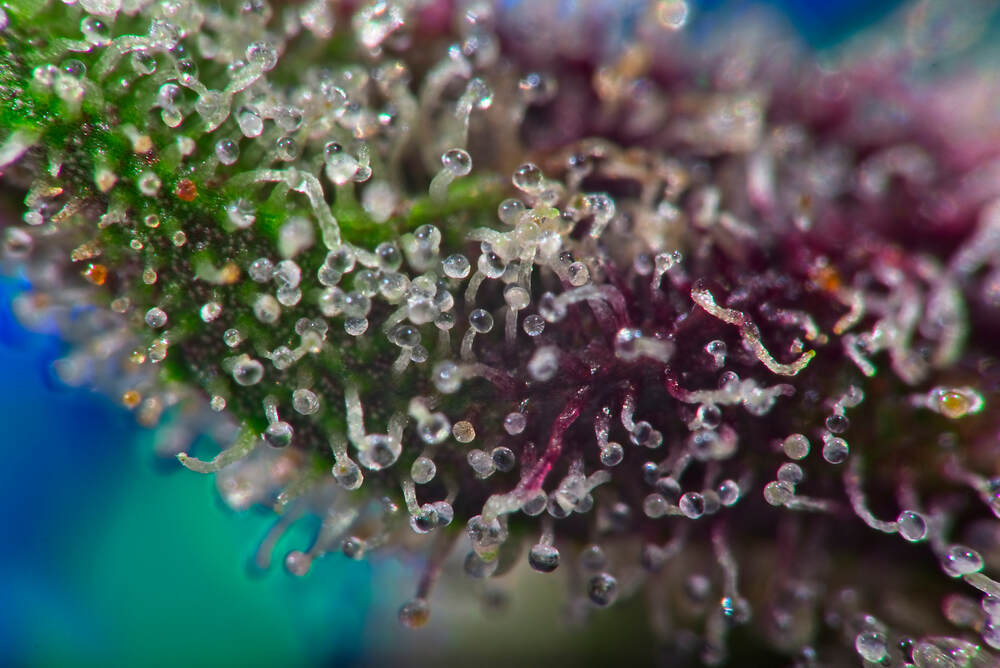
Knowing when to harvest your autoflower plants comes down to one key factor: trichome maturity.
Just as fruit and vegetables are harvested at their peak ripeness, cannabis flowers also have an ideal harvest window during the later stages of how long autoflowers flower. Harvest too early, and your buds may lack potency, flavor, and aroma. Harvest too late, and the effects can become heavier and more sedative than intended.
This is why experienced growers rely on trichome development rather than breeder timelines alone. By monitoring trichome color and appearance, you can determine exactly where your autoflower plant is within its maturation cycle and identify the perfect time to harvest.
In our autoflower testing runs, one of the most common mistakes we see is growers harvesting immediately after spotting their first amber trichomes. In many cases, the plant still has several days of flower swelling and resin production remaining. Watching how the flowers are developing as a whole often leads to better harvest decisions than focusing on a handful of amber heads.
Autoflower Trichome Maturity Stages
| Trichome Stage | Appearance | What It Means | Harvest Recommendation |
| Clear | Transparent and glass-like | Cannabinoids and terpenes are still developing | Too early to harvest |
| Cloudy / Milky | Opaque white appearance | Peak potency and terpene production | Ideal harvest window |
| Amber | Golden or amber-colored heads | THC begins degrading into CBN | Best for more relaxing effects |
| Mixed | Combination of cloudy and amber | Balanced cannabinoid profile | Preferred by many growers |
Unlike photoperiod cannabis plants, autoflowers can move through these stages quickly during the final one to two weeks of flowering. For this reason, I recommend checking trichomes daily as harvest approaches to avoid missing the ideal harvest window.
Harvest Timing Cheat Sheet
| Desired Effect | Recommended Trichome Ratio |
| Maximum potency and uplifting effects | 100% cloudy |
| Balanced potency and relaxation | 90% cloudy, 10% amber |
| My preferred harvest window | 80% cloudy, 20% amber |
| More relaxing, body-focused effects | 70% cloudy, 30% amber |
| Heavy, sedative effects | Mostly amber |
Clear Trichomes: Too Early to Harvest
During the early stages of flowering, trichomes appear transparent with a glass-like appearance. Although the resin glands have fully formed, the plant has not yet reached peak maturity.
At this stage:
- Cannabinoid production is still increasing
- Terpene development remains incomplete
- Buds may lack their full aroma and flavor profile
- Overall potency will be lower than at maturity
If most trichomes are still clear, your autoflower needs more time before harvest.
Cloudy Trichomes: Peak Harvest Window
As harvest approaches, trichomes transition from transparent to cloudy or milky.
This stage is widely considered the point of maximum resin production and is often when autoflower plants deliver their strongest combination of potency, flavor, and aroma.
Signs of cloudy trichomes include:
- A frosted or milky appearance
- Strong, developed aromas
- Swollen calyxes
- Dense, mature flowers
For growers seeking the highest potency and a balanced experience, this is typically the best time to harvest.
Amber Trichomes: A More Relaxing Experience
If an autoflower remains unharvested beyond peak maturity, some trichomes will begin turning amber.
This color change occurs as THC gradually degrades and the cannabinoid profile shifts. As a result, the effects often become more relaxing and body-focused.
When amber trichomes become more prevalent, growers can generally expect:
- Increased relaxation
- Stronger body effects
- Less cerebral stimulation
- A heavier overall experience
A small percentage of amber trichomes is completely normal and often desirable. However, waiting until most trichomes have turned amber may reduce the vibrant flavors and balanced effects many growers seek.
Finding Your Ideal Harvest Window
Over the years, I have experimented with harvesting autoflower plants at different stages of trichome maturity to compare the final results.
My preferred harvest window is when the flowers display approximately 80% cloudy trichomes and 20% amber trichomes. At this stage, I consistently achieve excellent flavor, strong potency, and balanced effects.
That said, there is no single “perfect” harvest point for every grower. The ideal timing depends on your personal preferences and the type of experience you want from the finished flower.
| Cloudy Trichomes | Amber Trichomes | Typical Result |
| 100% | 0% | Energetic and uplifting |
| 90% | 10% | Potent with excellent flavor retention |
| 80% | 20% | Balanced effects and my preferred harvest window |
| 70% | 30% | More relaxing and body-focused |
| Below 50% | Above 50% | Heavy, sedative effects |
Rather than relying solely on a breeder’s estimated finishing time, use trichome maturity as your primary guide. This approach will help you consistently harvest autoflower plants at their peak quality and achieve the effects that best match your preferences.
Tools and Methods to Evaluate Trichome Maturity
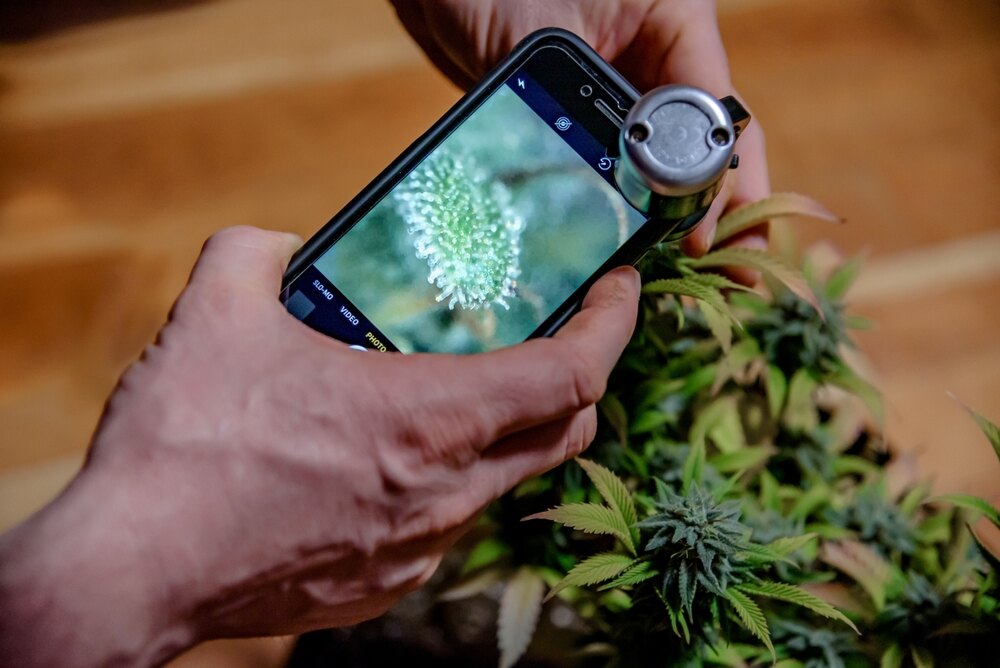
Once your autoflower enters its final weeks of flowering, visual cues alone are no longer enough to determine harvest readiness. While frosty buds and darkened pistils can indicate maturity, the only reliable way to assess trichome development is through magnification.
Because trichomes are microscopic, you’ll need a tool that allows you to closely inspect their color and appearance. Fortunately, several affordable options are available to home growers.
Comparing Trichome Inspection Tools
| Tool | Magnification | Best For | Pros | Cons |
| Digital Microscope | 50x–200x | Maximum accuracy | Excellent detail, easy to identify trichome color | Requires batteries or a screen |
| Jeweler’s Loupe | 20x–90x | Most growers | Affordable, portable, simple to use | Smaller field of view |
| Smartphone Macro Lens | 10x–50x | Quick inspections | Convenient and inexpensive | Less precise than a microscope |
Digital Microscopes
A handheld digital microscope is one of the most accurate tools available for evaluating trichome maturity. Most models provide between 50x and 200x magnification, allowing you to clearly distinguish between clear, cloudy, and amber trichomes.
For growers who want the highest level of accuracy when deciding when to harvest their autoflower plants, a digital microscope is hard to beat.
Jeweler’s Loupes
Jeweler’s loupes remain one of the most popular choices among home growers. They are inexpensive, easy to carry, and provide enough magnification to assess trichome maturity with confidence.
A quality loupe with 60x magnification is typically more than sufficient for determining whether an autoflower is approaching its harvest window.
Smartphone Macro Lenses
Modern smartphone cameras have made trichome inspection more accessible than ever. Clip-on macro lenses allow growers to capture highly detailed photographs of resin glands without investing in specialized equipment.
While not as precise as a microscope, macro photography is an excellent way to monitor trichome development and compare changes over time.
How to Inspect Trichomes Correctly
Regardless of which tool you choose, focus on the trichomes growing directly on the flowers rather than those found on nearby sugar leaves.
Sugar leaf trichomes often mature faster than flower trichomes and can create the false impression that a plant is ready for harvest.
When inspecting an autoflower, look for:
- The ratio of clear, cloudy, and amber trichomes
- Consistency across multiple buds
- Signs of ongoing trichome development
- Changes occurring during the final 7–14 days before harvest
One of the most common harvest questions we receive comes from growers who are seeing amber trichomes on the sugar leaves while the flowers themselves are still mostly cloudy or even clear. In many cases, the plant is not actually ready to harvest. Sugar leaf trichomes often mature ahead of the flower trichomes, which is why we always recommend inspecting the resin glands directly on the buds before making a harvest decision.
Sample Multiple Bud Sites
One of the most common mistakes new growers make is inspecting only the top cola.
Because light intensity varies throughout the canopy, trichomes often mature at different rates. Buds closest to the light source typically develop faster than those lower on the plant.
To get an accurate picture of overall maturity, inspect flowers from:
| Bud Location | What to Expect |
| Top Canopy | Usually the most mature trichomes |
| Middle Canopy | Often representative of overall maturity |
| Lower Canopy | May lag behind upper flowers by several days |
Over the years, I’ve found that checking buds from multiple locations provides a far more accurate assessment of harvest readiness than relying on a single flower. This is especially important with autoflowers, where trichome development can change rapidly during the final stages of flowering.
During autoflower cultivar evaluations, we regularly inspect flowers from multiple areas of the canopy before making harvest decisions. It’s not unusual for top flowers to appear ready several days before lower sites. When assessing a plant as a whole, we look for the majority of bud sites to be within the target harvest window rather than judging maturity from the most advanced flower alone.
How to Determine the Optimal Harvest Window
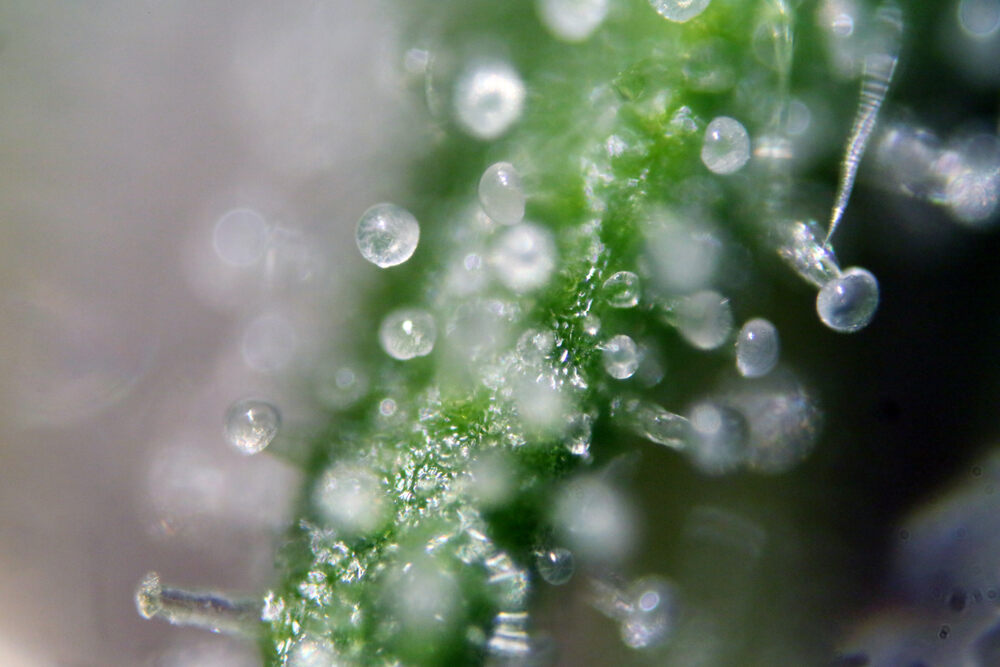
By this stage, you’ve already assessed trichome maturity and inspected your flowers closely. The final step is deciding whether your autoflower has reached peak maturity and is ready to harvest.
While trichomes remain the most reliable indicator, I never base a harvest decision on trichomes alone. Instead, I look for several signs of maturity occurring at the same time. When multiple indicators align, it’s usually a strong signal that the plant has entered its optimal harvest window.
Autoflower Harvest Indicators
| Indicator | What You’re Looking For | Reliability |
| Trichome Maturity | Desired cloudy-to-amber ratio has been reached | Very High |
| Bract Development | Bracts appear swollen, rounded, and tightly packed | High |
| Bud Density | Flowers feel firm and fully developed | High |
| Resin Production | Buds are heavily coated in sticky resin | Medium |
| Aroma | Strong, fully developed terpene profile | Medium |
| Water Consumption | Plant drinks noticeably less than during peak flowering | Medium |
| Breeder Timeline | Plant is within its expected harvest window | Low |
Swollen Bracts
Bracts are the small, teardrop-shaped structures that make up the cannabis flower. As an autoflower nears maturity, these bracts swell and become more pronounced, giving the buds a fuller and denser appearance.
One thing I’ve consistently noticed over multiple autoflower harvests is that some plants can gain a surprising amount of weight and density during their final week. If the flowers still look narrow or underdeveloped, allowing a few extra days can often improve the final result.
Across many autoflower cultivars, some of the most noticeable flower bulking happens during the final 5–10 days before harvest. We’ve seen growers harvest early because trichomes looked close to ready, only to miss a final period of calyx swelling that significantly improved density and bag appeal.
Dense, Mature Flowers
A harvest-ready autoflower should feel noticeably firmer than it did one or two weeks earlier.
While every cultivar develops differently, mature flowers typically appear fully formed with very little new floral growth. If the buds still feel airy or continue stacking fresh growth, the plant may not have finished developing.
Heavy Resin Production
As harvest approaches, resin production often reaches its highest level.
The flowers should appear heavily frosted, and nearby sugar leaves will usually be covered in visible resin glands. Sticky buds alone do not guarantee maturity, but abundant resin production is a strong supporting indicator when combined with other harvest signals.
A Strong, Fully Developed Aroma
One of the easiest indicators to monitor is aroma.
As an autoflower reaches peak maturity, its terpene profile often becomes noticeably stronger and more complex. Opening the grow space should immediately release the cultivar’s characteristic scent.
If the aroma still seems mild or underdeveloped, the plant may benefit from additional flowering time.
During autoflower evaluations, we often notice that terpene expression can change surprisingly quickly during the final week before harvest. Some cultivars develop noticeably stronger sweetness, fuel, fruit, or gas notes during this period. If the aroma is still changing significantly from day to day, the plant may still be finishing its terpene development.
Reduced Water Consumption
Water uptake is one of the most overlooked harvest indicators.
During peak flowering, autoflowers often consume water quickly, especially when following an aggressive water schedule. As they approach the end of their life cycle, many growers notice that containers remain heavier for longer and require less frequent irrigation.
I’ve also noticed that some autoflowers can appear visually finished while still drinking heavily. In those cases, waiting a few extra days often results in improved flower density and resin production.
While reduced water uptake can be a useful supporting indicator, we never use it as a standalone harvest signal. Environmental conditions, pot size, and root health can all influence how quickly an autoflower drinks, particularly if the plant is suffering from overwatered cannabis symptoms, so it should always be considered alongside flower maturity and trichome development.
Don’t Harvest by Calendar Alone
Most autoflower strains finish between 8 and 12 weeks from seed, but environmental conditions, genetics, and cultivation practices can all influence the final timeline. Even some 60 day autoflower seeds may require additional time before reaching peak maturity.
Use breeder estimates as a guide for when to start paying closer attention, not as a fixed harvest date.
Is Your Autoflower Ready to Harvest?
Use the checklist below before making your final decision.
| Harvest Sign | Present? |
| Trichomes have reached your target maturity | ✓ |
| Bracts are swollen and fully developed | ✓ |
| Buds feel dense and mature | ✓ |
| Resin production appears to have peaked | ✓ |
| Aroma is strong and fully expressed | ✓ |
| Water consumption has started to slow | ✓ |
If most of these indicators are present at the same time, your autoflower has likely entered its optimal harvest window and is ready for the next stage of drying and curing autoflowers.
My Harvest Rule
Over the years, I’ve found that the best harvests happen when multiple maturity indicators align rather than relying on a single signal.
When trichomes have reached my target maturity, the flowers are dense, the bracts are swollen, resin production is at its peak, aromas are fully developed, and water consumption has begun to slow, I know the plant is ready to harvest.
Common Autoflower Harvest Mistakes
After working with autoflower growers over the years, a few harvest mistakes appear repeatedly:
- Harvesting based solely on breeder timelines.
- Judging maturity from sugar leaf trichomes instead of flower trichomes.
- Checking only the top cola.
- Harvesting immediately after seeing the first amber trichomes.
- Ignoring continued flower swelling during the final week.
Most harvesting mistakes result from cutting plants slightly too early rather than too late. When in doubt and the plant is still actively swelling, giving it a few additional days can often improve flower quality.
Frequently Asked Questions
How do I know when my autoflower is ready to harvest?
The best way to determine harvest readiness is by evaluating trichome maturity alongside other signs of plant maturity. If trichomes have reached your preferred stage, the buds are dense, the bracts are swollen, resin production is high, and aromas are fully developed, your autoflower has likely entered its optimal harvest window.
Can I harvest an autoflower with clear trichomes?
You can, but it is generally not recommended. Clear trichomes indicate the plant is still developing and may not have reached its full potential in terms of potency, flavor, and aroma.
What percentage of amber trichomes is best?
This depends on personal preference. Many growers prefer harvesting when trichomes are predominantly cloudy with 10–20% amber. This often provides a balanced combination of potency, flavor, and relaxing effects.
Do all autoflower strains finish in 8–12 weeks?
No. While many autoflowers finish within this timeframe, some genetics mature faster and others take longer. Environmental conditions and cultivation practices can also influence finishing times.
Should I harvest the entire plant at once?
Not necessarily. If the upper flowers mature before the lower canopy, a staggered harvest can allow lower buds additional time to develop before being harvested.
Are pistils a reliable harvest indicator?
Pistils can provide useful clues, but they should never be used on their own. Trichome maturity remains the most reliable way to determine when an autoflower is ready to harvest.


