
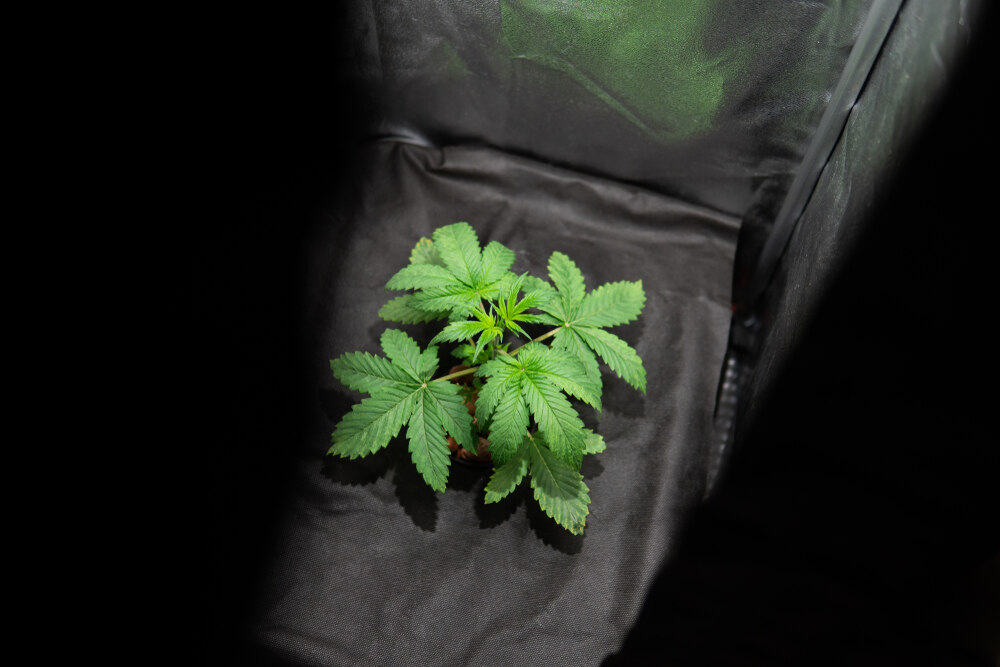
How many autoflowers can you fit in a tent
Growing autoflowers in a grow tent is one of the most efficient ways to produce high-quality cannabis indoors, but choosing the right number of plants for your space can be difficult. Too many plants can create overcrowding, excess humidity, and weak airflow, while too few may leave valuable canopy space unused. The ideal setup depends on your tent size, lighting power, pot size, strain genetics, and training methods. In this guide, you’ll learn how many autoflowers typically fit in common grow tent sizes like a 2×4 grow tent or 4×2 grow tent, along with practical techniques to improve indoor yields without sacrificing plant health or flower quality.
Article Insights
- Fewer well-trained autoflowers often outperform overcrowded grow tents with poor airflow and uneven light penetration.
- Most growers can comfortably fit 2–4 autoflowers in a 2×4 grow tent depending on strain size, pot size, and training methods.
- Average autoflower yield indoor commonly ranges from 2–6 ounces per plant under optimized indoor conditions.
- Fabric pots in the 3–5 gallon range are commonly preferred for indoor autoflower grows because they support healthy root development.
- Smaller grow tents benefit from Low Stress Training (LST) and SCROG methods to improve canopy coverage and light distribution.
- Stable environmental conditions, including proper temperature, humidity, PPFD, and VPD levels, play a major role in indoor autoflower performance.
Quick Answer: How Many Autoflowers Fit in a Grow Tent?
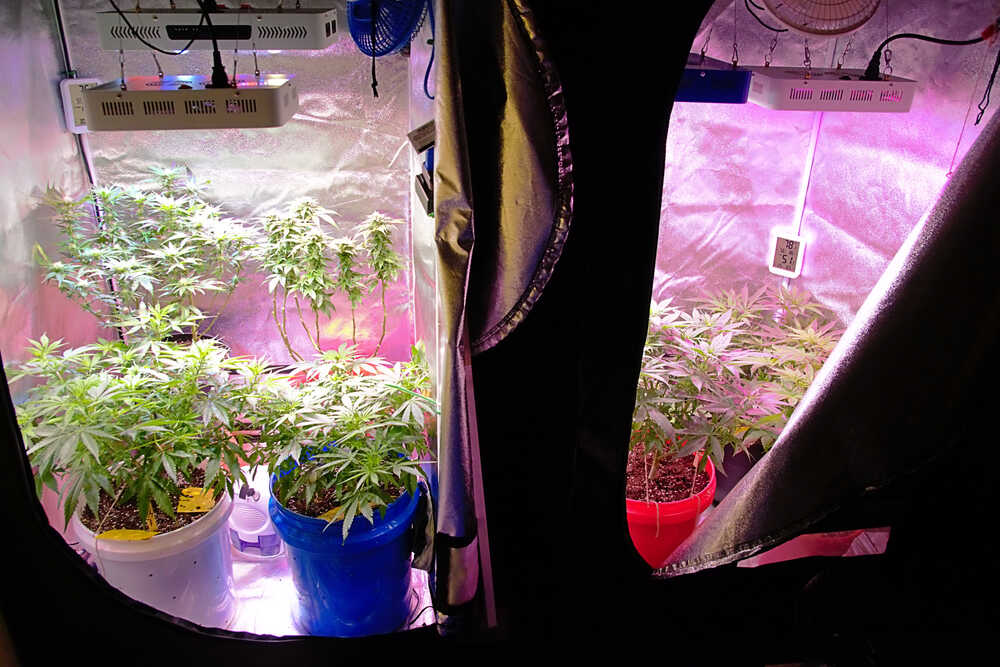
Most growers can comfortably fit between 1–10 autoflowers in a grow tent depending on the tent size, plant genetics, pot size, and training methods being used. In most cases, fewer well-trained plants will outperform a packed tent because they receive better airflow, stronger light penetration, and healthier root space.
The table below gives a realistic estimate for how many autoflowers typically fit in the most common indoor grow tent sizes, along with average indoor yield ranges.
| Grow Tent Size | Recommended Autoflowers | Recommended Pot Size | Average Indoor Yield |
| 2×2 grow tent | 1–2 plants | 3 gallon | 4–8 oz |
| 2×4 grow tent | 2–4 plants | 3–5 gallon | 8–16 oz |
| 3×3 grow tent | 3–5 plants | 3–5 gallon | 10–18 oz |
| 4×4 grow tent | 4–6 plants | 5 gallon | 16–24 oz |
| 5×5 grow tent | 6–10 plants | 5 gallon | 20–40 oz |
These numbers assume:
- healthy autoflower genetics
- quality LED grow lights
- stable temperature and humidity
- proper airflow and ventilation
- effective canopy management
Modern autoflowers perform best under high-efficiency LEDs with balanced PPFD and DLI levels throughout the growth cycle.
Recommended Plant Counts by Tent Size
One of the biggest mistakes beginner growers make is assuming that more plants automatically equal bigger yields. In reality, overcrowded grow tents often create weak lower growth, uneven canopies, and difficult environmental management during flower.
For most indoor setups, I usually recommend:
| Tent Size | Ideal Plant Count for Most Growers |
| 2×2 tent | 1–2 autoflowers |
| 2×4 grow tent | 2–3 autoflowers |
| 3×3 tent | 3–5 autoflowers |
| 4×4 grow tent | 4–6 autoflowers |
These numbers provide enough room for:
- Low Stress Training (LST)
- healthy branch spacing
- easier maintenance during flower
- balanced canopy development
Experienced growers using SCROG or Sea of Green methods can sometimes increase plant counts, although doing so also increases environmental management demands. If you are new to indoor cultivation, our guide on How to grow autoflowers in a grow tent explains how to build a manageable setup from seed to harvest.
Average Yield Expectations for Autoflowers Indoors
Average autoflower yield indoor varies heavily depending on genetics, lighting quality, root development, and environmental stability. Most healthy autoflowers commonly produce between 2–6 ounces per plant indoors, although larger modern cultivars can exceed this under optimized conditions.
Several factors directly influence indoor yields:
- genetics and cultivar size
- PPFD and DLI levels
- root-zone oxygenation
- training techniques
- feeding schedules
- temperature and humidity control
Environmental stability has a major impact on nutrient uptake, transpiration, and overall plant health. If you want to improve environmental control inside your tent, our guide on A complete guide to temperature and humidity for autoflowers break down the ideal indoor conditions for healthy cannabis growth.
How Many Autoflowers Can You Fit in Different Grow Tent Sizes?
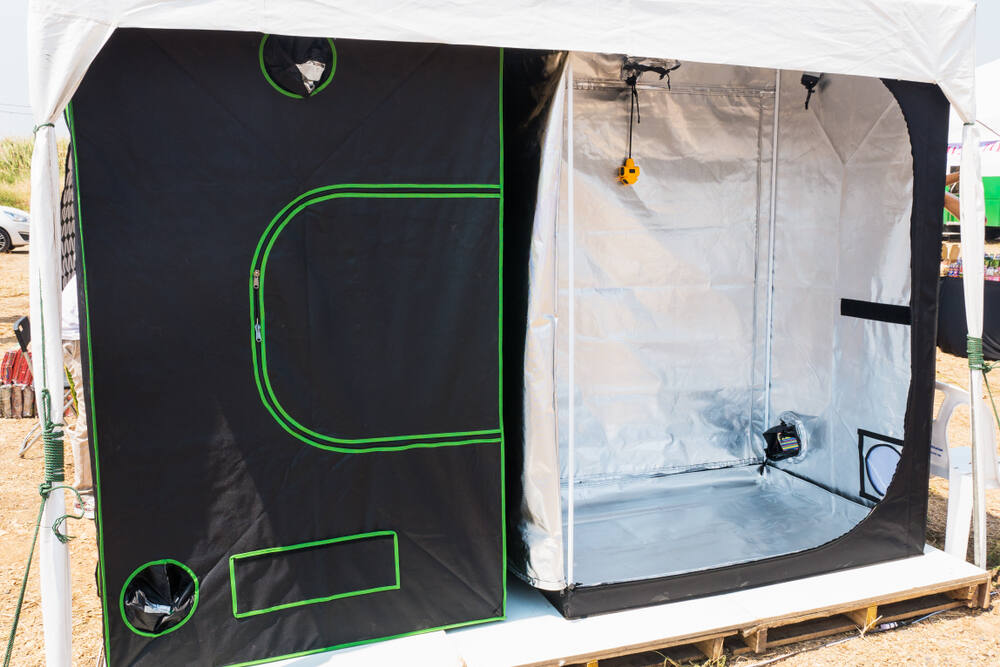
Different grow tent sizes create different cultivation challenges. Larger tents provide more flexibility for canopy management, while smaller tents require careful plant spacing and environmental control.
A properly planned setup almost always outperforms an overcrowded tent. Healthy root space, balanced light distribution, and efficient canopy management are what drive strong indoor yields.
If you are still building your setup, our guide on What equipment do you need to grow weed indoors? covers everything from extraction fans to LED grow lights and environmental controls.
How Many Autoflowers in a 2×4 Grow Tent?
The 2×4 grow tent is one of the most popular indoor cannabis setups because it provides enough horizontal space for canopy training while remaining easy to manage for beginner growers.
In most cases, a 2×4 grow tent comfortably fits:
- 2 large autoflowers
- 3 medium-sized autoflowers
- 4 smaller autos using Sea of Green methods
Personally, I prefer running two or three autoflowers in a 2×4 tent because it gives me enough room for Low Stress Training and healthy branch spacing throughout flower.
| 2×4 Grow Tent Setup | Recommended Range |
| Ideal Plant Count | 2–4 autoflowers |
| Recommended Pot Size | 3–5 gallon |
| Recommended LED Power | 240–320W |
| Average Indoor Yield | 8–16 oz |
| Best Training Method | LST or SCROG |
Under a quality LED fixture with balanced PPFD levels, a healthy 2×4 grow tent can produce surprisingly heavy harvests.
| Plant Count | Expected Yield |
| 2 plants | 8–12 oz |
| 3 plants | 10–14 oz |
| 4 plants | 12–16 oz |
Two properly trained autoflowers often outperform four overcrowded plants because they receive stronger light penetration and healthier airflow.
Best Plant Count for a 4×2 Grow Tent Setup
A 4×2 grow tent offers the same footprint as a 2×4 setup but often works better for growers who prefer horizontal canopy management and rectangular LED fixtures.
These tents work especially well for:
- SCROG setups
- Low Stress Training
- multiple smaller cultivars
- even canopy development
- efficient LED light spread
I usually find that three autoflowers trained outward with LST perfectly fill a 4×2 grow tent without restricting airflow.
| 4×2 Grow Tent Setup | Recommended Range |
| Ideal Plant Count | 2–4 autoflowers |
| Recommended Pot Size | 3–5 gallon |
| Recommended LED Power | 240–320W |
| Average Indoor Yield | 8–16 oz |
| Best Training Method | SCROG or LST |
Lighting schedules also influence how efficiently your plants use canopy space.
Autoflower Capacity for 2×2 Grow Tents
A 2×2 grow tent is one of the smallest indoor cultivation spaces available, but it can still produce quality harvests when managed properly.
One large autoflower can completely fill a 2×2 tent under strong LED lighting, especially if trained early using LST techniques.
| 2×2 Grow Tent Setup | Recommended Range |
| Ideal Plant Count | 1–2 autoflowers |
| Recommended Pot Size | 3 gallon |
| Recommended LED Power | 100–150W |
| Average Indoor Yield | 4–8 oz |
| Best Training Method | LST |
Autoflower Capacity for 3×3 Grow Tents
The 3×3 grow tent is often considered the sweet spot for home growers because it balances manageable environmental control with strong production potential.
A properly optimized 3×3 tent can comfortably support:
- 3–5 autoflowers
- medium SCROG setups
- multiple training styles
| 3×3 Grow Tent Setup | Recommended Range |
| Ideal Plant Count | 3–5 autoflowers |
| Recommended Pot Size | 3–5 gallon |
| Recommended LED Power | 300–450W |
| Average Indoor Yield | 10–18 oz |
| Best Training Method | LST or SCROG |
Autoflower Capacity for 4×4 Grow Tents
The 4×4 grow tent is one of the most versatile indoor cannabis setups because it allows growers to scale production while still maintaining strong environmental control.
I personally ran a 4×4 for years because it strikes an excellent balance between yield potential and manageability.
| 4×4 Grow Tent Setup | Recommended Range |
| Ideal Plant Count | 4–6 autoflowers |
| Recommended Pot Size | 5 gallon |
| Recommended LED Power | 450–650W |
| Average Indoor Yield | 16–24 oz |
| Best Training Method | SCROG |
While some growers push 8–10 smaller autoflowers into a 4×4 tent, I usually find that four or five larger trained plants produce better flower quality and easier canopy management.
Autoflower Capacity for 5×5 Grow Tents
A 5×5 grow tent provides enough space for large-scale autoflower cultivation while supporting aggressive training techniques and high-wattage LED systems.
These tents are commonly used by more experienced growers because environmental management becomes more demanding as canopy density increases.
| 5×5 Grow Tent Setup | Recommended Range |
| Ideal Plant Count | 6–10 autoflowers |
| Recommended Pot Size | 5 gallon |
| Recommended LED Power | 650–1000W |
| Average Indoor Yield | 20–40 oz |
| Best Training Method | SCROG or Sea of Green |
Larger tents require stronger extraction systems and tighter humidity management to prevent mold or mildew from developing inside dense flowering canopies.
What Affects Autoflower Plant Count in a Tent?
Grow tent size is only one part of the equation when deciding how many autoflowers you can grow indoors. Plant genetics, pot size, lighting intensity, and training methods all influence how efficiently your canopy develops.
Two growers using the exact same 2×4 grow tent can end up with completely different results depending on:
- strain selection
- training style
- environmental conditions
- lighting setup
- root development
Experienced growers focus on maximizing usable canopy space rather than simply increasing plant numbers.
Genetics, Strain Size, and Plant Structure
Modern autoflower genetics vary massively in plant size and flowering behavior. Some cultivars remain short and compact from seed to harvest, while others stretch aggressively during flower and quickly dominate smaller grow tents.
Compact autoflowers are typically:
- short and bushy
- low-stretch
- easier to manage in smaller tents
- ideal for Sea of Green setups
Larger autoflower cultivars can become:
- tall and branch-heavy
- highly vigorous during veg
- extremely wide during flowering
- difficult to manage in crowded tents
Before deciding how many autoflowers to run in a tent, I always research:
- final plant height
- stretch potential
- branch spacing
- flowering duration
- breeder yield estimates
| Autoflower Structure Type | Growth Characteristics | Best Tent Setup |
| Compact Indica Autos | Short, bushy, low stretch | 2×2 or 2×4 grow tent |
| Balanced Hybrid Autos | Medium height and branching | 2×4 or 3×3 grow tent |
| Tall Sativa Autos | High stretch and aggressive growth | 4×4 or 5×5 grow tent |
Training style also affects how much space each plant occupies. Low Stress Training and SCROG methods spread branches outward horizontally, which improves light distribution while increasing usable canopy area.
Pot Size and Root Space Requirements
Root development directly impacts final plant size and yield potential. Larger root systems usually support larger plants, which also means each autoflower requires more canopy space.
| Tent Size | Recommended Pot Size | Typical Plant Size |
| 2×2 grow tent | 3 gallon | Compact to medium |
| 2×4 grow tent | 3–5 gallon | Medium to large |
| 3×3 or larger | 5 gallon | Large trained plants |
Autoflowers generally perform best when planted directly into their final container because transplant stress can slow early vegetative growth.
Fabric pots are my preferred option because they:
- improve root oxygenation
- reduce overwatering risk
- promote healthier root branching
- help regulate root-zone temperature
If you want a more detailed breakdown, our guide on Best pot size for autoflowers? explains how container size affects canopy growth and indoor yield potential.
Lighting Coverage and Airflow Considerations
Lighting quality determines how efficiently your plants use available canopy space. Weak or uneven lighting often creates stretched plants and poor lower bud development.
Modern LED grow lights have dramatically improved indoor autoflower cultivation because they produce:
- stronger canopy penetration
- lower heat output
- better energy efficiency
- more stable indoor conditions
I strongly recommend bar-style LED fixtures because they distribute PPFD more evenly across the canopy, especially in rectangular setups like a 4×2 or 2×4 grow tent.
| Tent Size | Recommended LED Power | Ideal LED Style |
| 2×2 grow tent | 100–150W | Compact LED board |
| 2×4 or 4×2 grow tent | 240–320W | LED bar fixture |
| 3×3 grow tent | 300–450W | Full-spectrum LED |
| 4×4 grow tent | 450–650W | Multi-bar LED system |
If you want to optimize lighting conditions further, our guides on Best Grow Lights For Autoflowers, What is a Good PPFD for Autoflowers?, and What is the ideal DLI for Autoflowers? explain how to maximize indoor canopy performance.
Airflow matters just as much as lighting when growing multiple autoflowers in a tent. To maintain healthy airflow, I always use:
- inline extraction fans
- oscillating clip fans
- lower canopy airflow fans
- passive intake vents
This helps maintain healthier environmental conditions throughout flower.
Average Autoflower Yield Indoor by Tent Size
Average autoflower yield indoor can vary massively depending on genetics, lighting quality, and grower experience.
While breeders often advertise large yield potential, real-world indoor results are usually influenced by:
- light intensity and PPFD levels
- DLI and light schedules
- root development
- temperature and humidity stability
- training methods
- overall canopy performance
Expected Yield in a 2×4 Grow Tent
A properly optimized 2×4 grow tent can produce surprisingly heavy harvests when paired with strong LED lighting and healthy autoflower genetics.
| Grower Experience | Average Yield in a 2×4 Grow Tent |
| Beginner Grower | 8–10 oz |
| Intermediate Grower | 10–14 oz |
| Advanced Grower | 14–16+ oz |
These results generally assume:
- quality autoflower genetics
- balanced PPFD levels
- healthy root development
- stable temperature and humidity
- effective canopy management
I have personally harvested over a pound from a 2×4 grow tent using three heavily trained autoflowers under a high-quality LED bar fixture.
Average Autoflower Yield by Tent Size
Different grow tent sizes create different yield opportunities depending on plant count, training style, and environmental control.
| Grow Tent Size | Typical Plant Count | Average Indoor Yield |
| 2×2 grow tent | 1–2 plants | 4–8 oz |
| 2×4 grow tent | 2–4 plants | 8–16 oz |
| 3×3 grow tent | 3–5 plants | 10–18 oz |
| 4×4 grow tent | 4–6 plants | 16–24 oz |
| 5×5 grow tent | 6–10 plants | 20–40 oz |
These yield ranges are commonly achievable when growers maintain:
- stable environmental conditions
- healthy airflow
- balanced humidity
- consistent feeding
- efficient canopy management
Yield Per Plant vs Yield Per Square Foot
Many beginner growers focus too heavily on yield per plant, but experienced cultivators often pay closer attention to:
- grams per watt
- usable canopy space
- yield per square foot
- overall flower quality
Two healthy autoflowers trained into a flat canopy often outperform six overcrowded plants competing for light and airflow.
| Growing Style | Common Result |
| Overcrowded Tent | Reduced airflow and weaker lower buds |
| Even Canopy with Fewer Plants | Better light penetration and denser flowers |
| Poor Airflow | Increased humidity and mold risk |
| Optimized Canopy Management | Higher-quality harvests and easier maintenance |
How to Increase Indoor Autoflower Yield
The best way to increase autoflower yields indoors is by improving efficiency rather than simply increasing plant count.
I focus heavily on:
- canopy management
- root-zone health
- stable temperature and humidity
- VPD optimization
- strong LED lighting
- proper DLI levels
- healthy airflow
- balanced feeding schedules
Low Stress Training is one of the most effective techniques for improving indoor autoflower yields because it spreads branches outward and exposes more flowering sites to direct light.
If you want to improve lighting performance further, our guides on Best light schedule for growing autoflowers and Do autoflowers need darkness? explain how different lighting cycles affect indoor growth and yield potential.
How to Maximize Space in a Grow Tent
Maximizing space inside a grow tent is one of the biggest differences between beginner growers and experienced indoor cultivators.
This becomes especially important in smaller setups like a 2×4 grow tent or 4×2 grow tent where limited horizontal space can quickly create environmental problems during flower.
If you are completely new to indoor cultivation, our guide on How to grow autoflowers in a grow tent covers the full setup process from seed to harvest.
Low Stress Training (LST) for Autoflowers
Low Stress Training, commonly known as LST, is one of the most effective ways to maximize canopy space when growing autoflowers indoors.
LST helps:
- improve light penetration
- increase airflow through the canopy
- expose lower bud sites to direct light
- reduce excessive vertical stretch
- create multiple dominant flowering sites
I usually begin LST around day 14–18 from sprout once the plant has developed several healthy nodes.
This technique works especially well in smaller grow tents because it allows you to control plant height while maximizing horizontal space.
SCROG Nets and Canopy Management
SCROG, or Screen of Green, is another highly effective technique for maximizing grow tent space indoors.
SCROG setups work exceptionally well in:
- 2×4 grow tents
- 4×2 grow tents
- 4×4 grow tents
- low-height indoor setups
By training branches underneath the screen during early flower, you create a flatter canopy where all major bud sites receive similar light intensity.
This improves:
- branch spacing
- canopy light distribution
- lower bud development
- branch support during flower
Avoiding Overcrowding and Humidity Issues
One of the most common mistakes beginner growers make is overcrowding the grow tent.
Dense canopies commonly create:
- trapped humidity
- weak airflow
- uneven light penetration
- smaller lower buds
- increased mold risk
Proper airflow management is one of the most important parts of indoor autoflower cultivation. I always use inline extraction fans, oscillating clip fans, and lower canopy airflow to keep fresh air moving throughout the tent.
If you grow in cooler temperatures, our guide on Growing Autoflowers in cold climates explains how to manage humidity and airflow more effectively indoors.
If you also cultivate outdoors, our guide on How to grow autoflowering cannabis outdoors? covers outdoor-specific environmental considerations and training techniques.
Frequently Asked Questions About Autoflowers in Grow Tents
Is it better to grow more small autoflowers or fewer larger plants?
Fewer well-trained autoflowers usually produce better results because they receive better airflow, light penetration, and root space.
How many autoflowers can fit in a 2×4 grow tent?
Most growers can comfortably fit 2–4 autoflowers in a 2×4 grow tent, although 2–3 plants are usually easier to manage for beginners.
Can you grow 3 autoflowers in a 2×2 grow tent?
Yes, but it can become overcrowded quickly. Most growers get better results with 1–2 autoflowers in a 2×2 tent.
How many autoflowers should beginners grow in a 4×4 tent?
Beginners usually do best with 4–5 autoflowers in a 4×4 grow tent to allow enough room for training and airflow.
What pot size is best for autoflowers in a grow tent?
Most indoor growers use 3–5 gallon fabric pots because they provide enough root space while improving airflow around the roots.
What size LED light is best for a 4×2 grow tent?
A quality 240–320 watt full-spectrum LED fixture is typically ideal for a 4×2 grow tent.
What environmental conditions are best for autoflowers indoors?
Most autoflowers perform best with temperatures around 75–80°F (24–27°C), stable humidity, strong airflow, and balanced VPD levels.
Did I damage my autoflower by bending it during training?
Probably not. Gentle Low Stress Training is commonly used on autoflowers during early vegetative growth and most plants recover quickly.
Do I need a dehumidifier if I grow more autoflowers in a tent?
Possibly. More plants create more humidity, especially during flower, so larger or crowded tents may need additional humidity control.


