
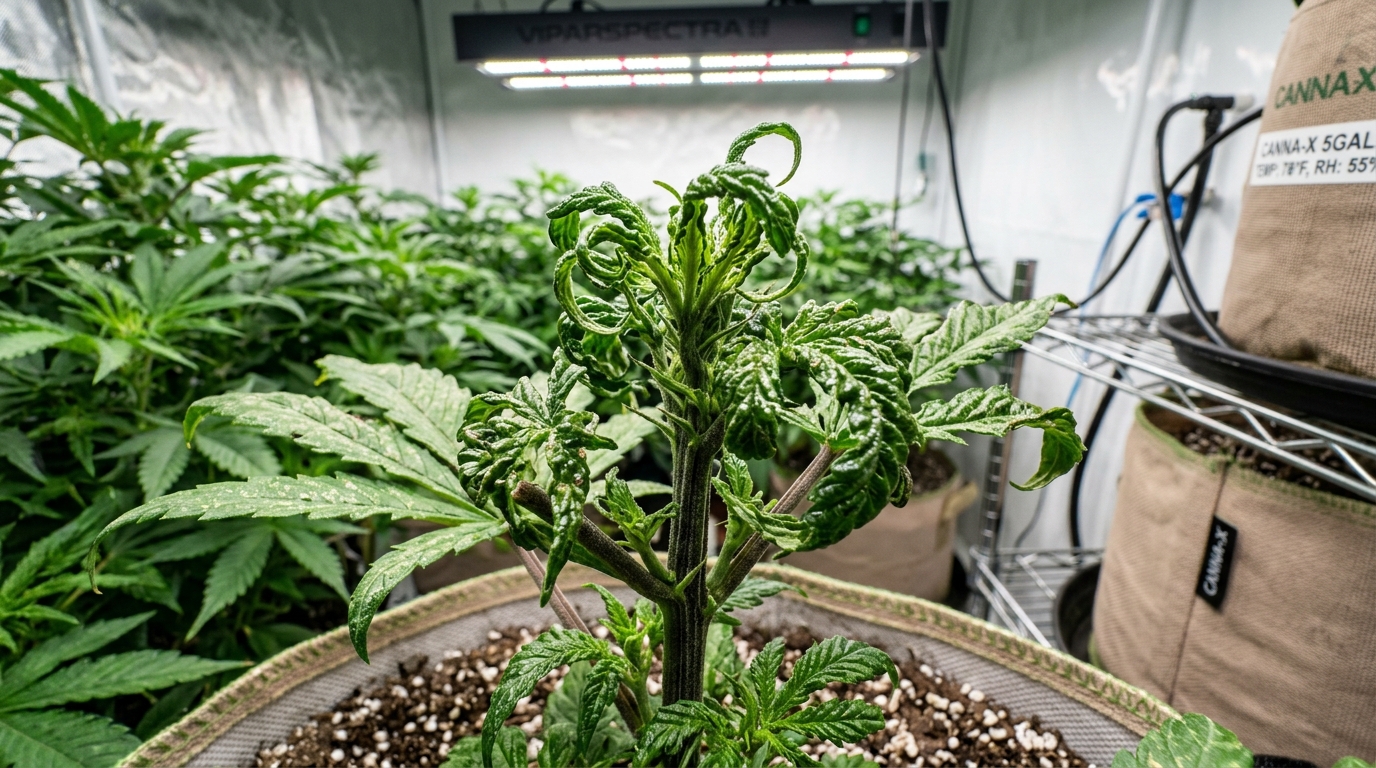
Broad Mites on Autoflowers: How to Identify, Treat and Prevent Infestations
Broad mites on cannabis are microscopic pests that can severely damage autoflower plants by distorting new growth, slowing development, and reducing yields. Because they are…
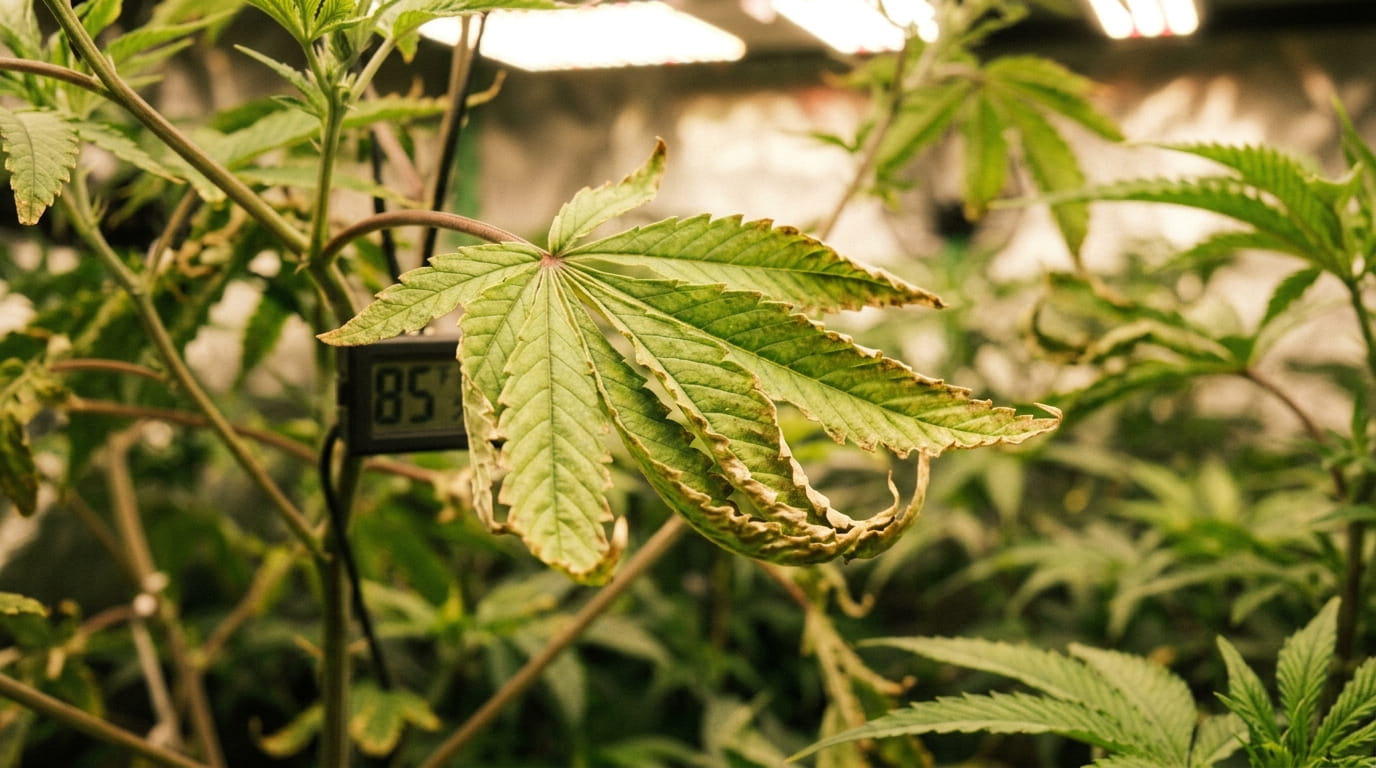
Autoflower Heat Stress: Symptoms, Causes & How to Fix It
Cannabis heat stress can slow growth, reduce flower development, and impact yields when temperatures remain too high for extended periods. For autoflower growers, managing heat…
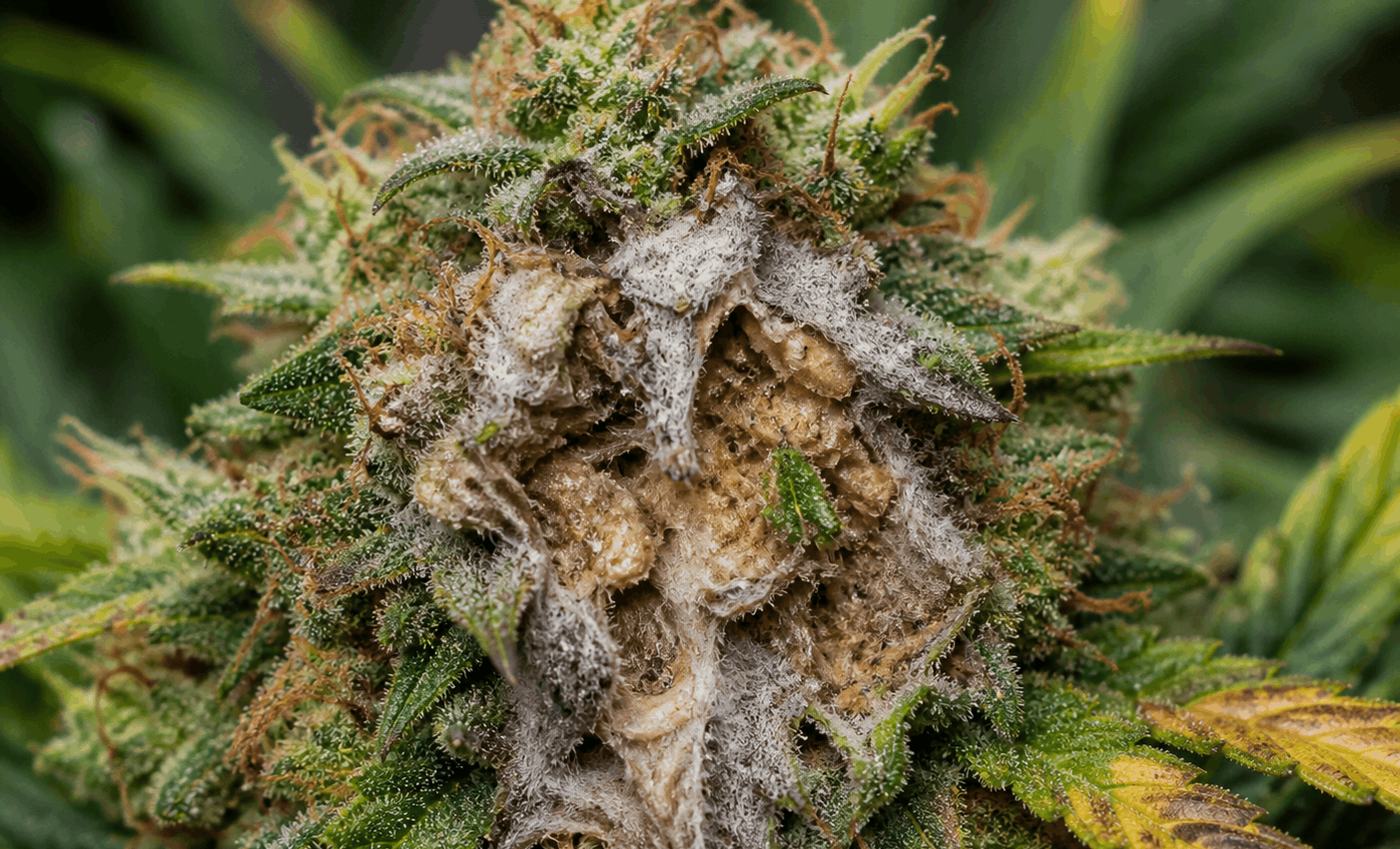
Autoflower Bud Rot: Signs, Causes, Treatment & Prevention
Autoflower bud rot is a destructive fungal disease caused by Botrytis cinerea. It develops when moisture becomes trapped inside dense buds, allowing the fungus to spread through the flower. Because infections often start deep within a cola, growers may not…

Autoflower Root Rot: Symptoms, Causes, Treatment & Prevention
Autoflower root rot is a serious disease that damages the root system and limits a plant’s ability to absorb water, nutrients, and oxygen. Often caused by Pythium, overwatering, poor drainage, or low oxygen levels, it can lead to yellowing leaves,…
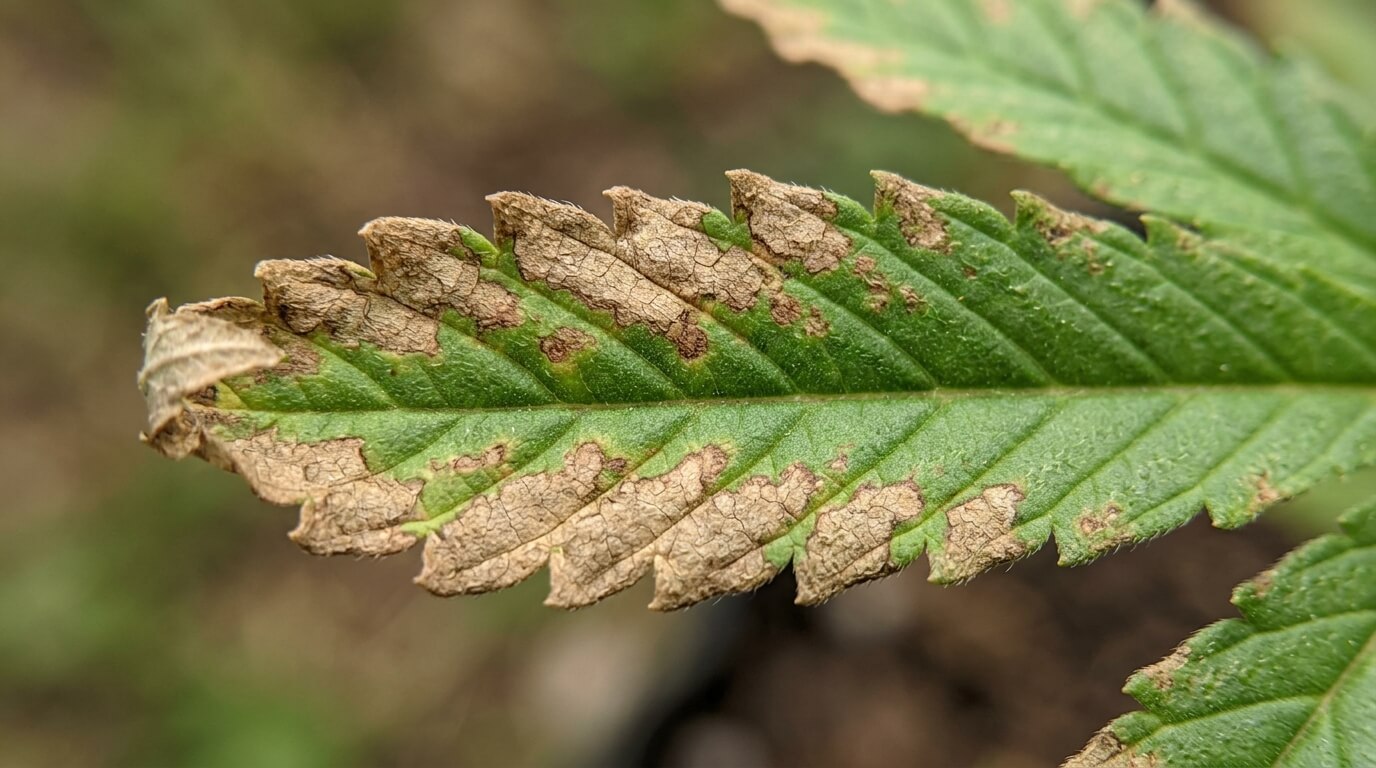
Wind Burn in Autoflowers: Symptoms, Treatment, and Prevention Guide
Wind burn is a common environmental issue in autoflower cannabis plants, particularly in grow tents and exposed outdoor grows. While airflow is essential for healthy development, excessive or poorly directed wind can damage leaves, slow growth, and reduce yields. Because…
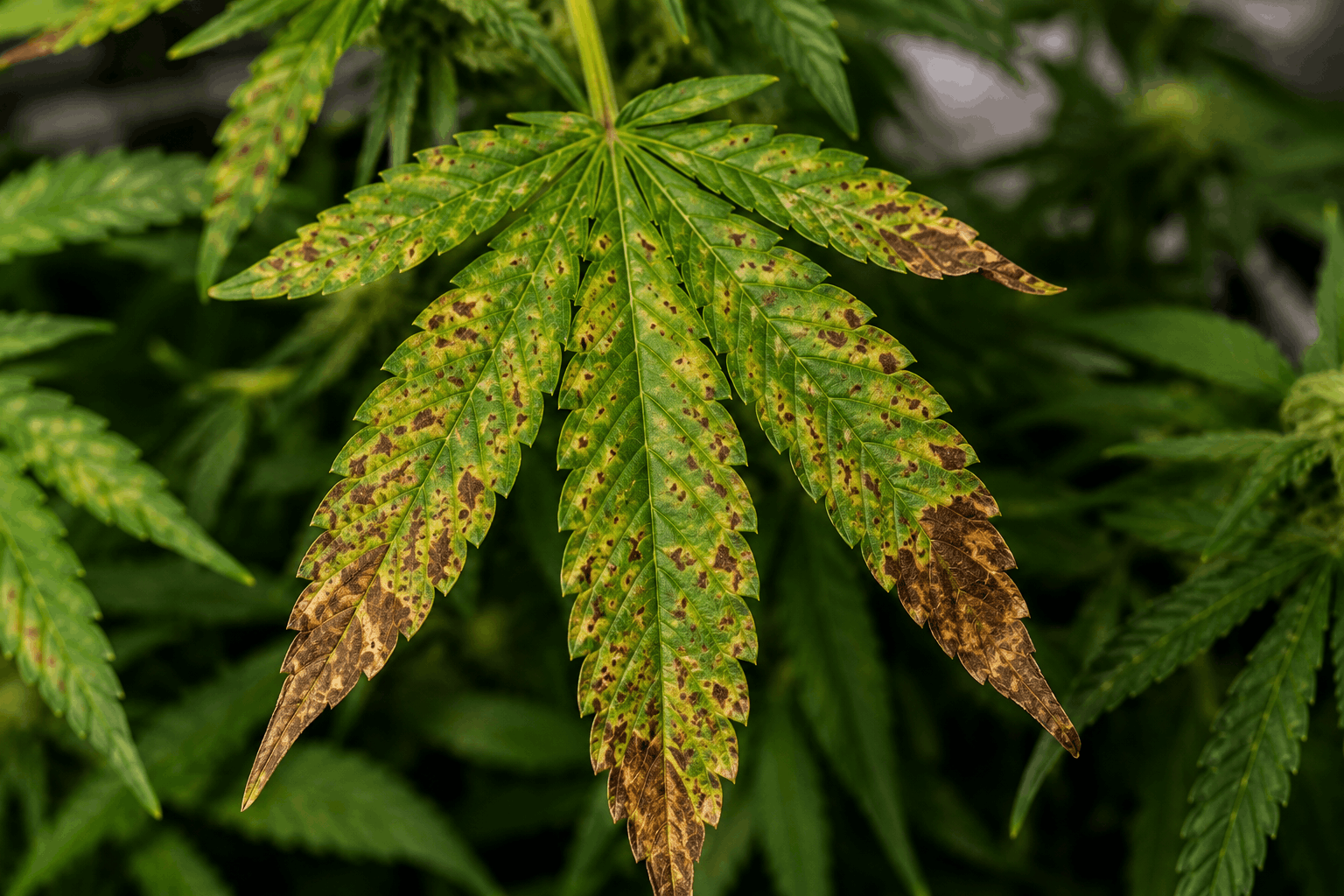
Brown Spots on Autoflower Leaves: Causes, Symptoms, Fixes, and Prevention
Brown spots on autoflower leaves are often an early sign that something is affecting your plant's health. While a few spots may seem harmless, they can spread quickly if the underlying issue is not addressed. Common causes include nutrient deficiencies,…
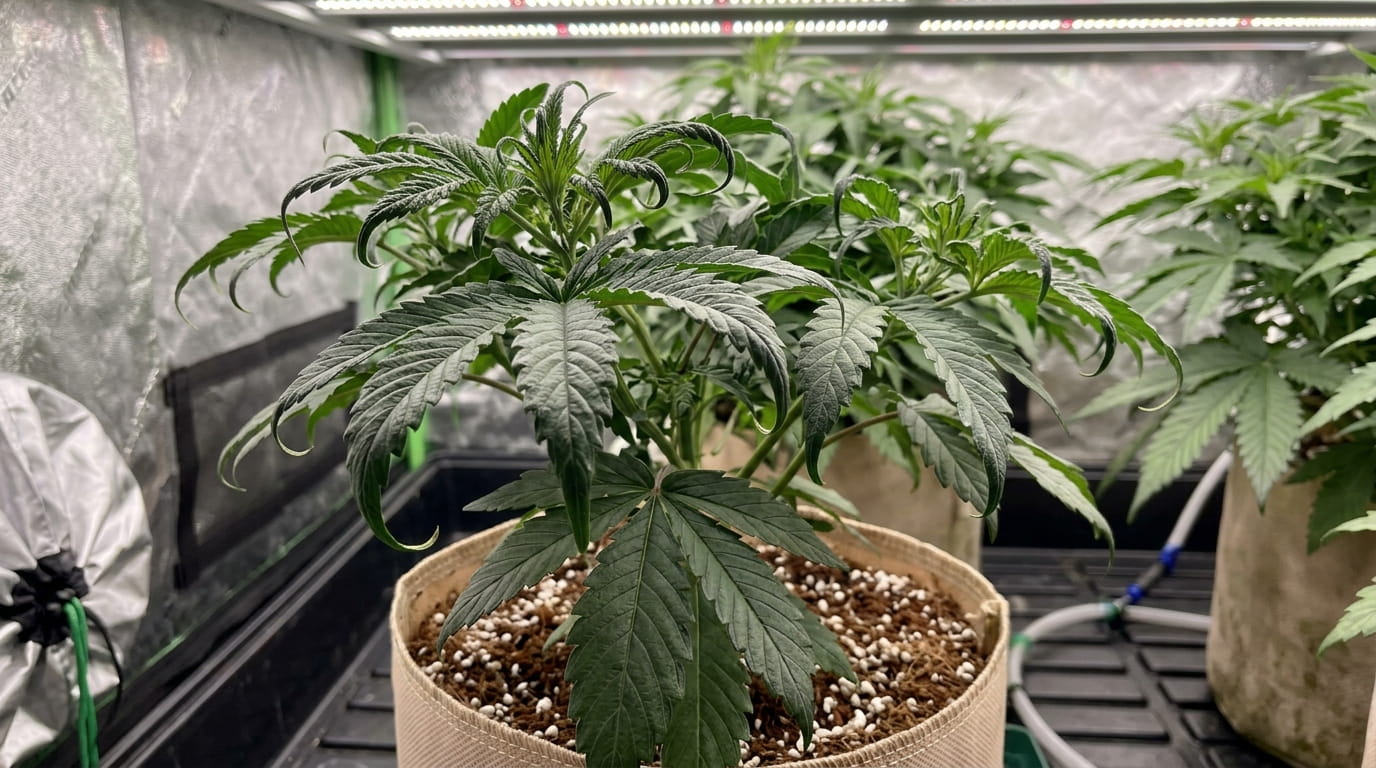
Cannabis Nutrient Toxicity in Autoflowers: Symptoms, Chart & How to Fix Nutrient Burn
Nutrient toxicity often develops gradually as excess nutrients accumulate around the roots. As concentrations rise, water uptake becomes less efficient, nutrient availability becomes unbalanced, and plant growth can slow. If left uncorrected, toxicity can negatively affect plant size, flower development,…
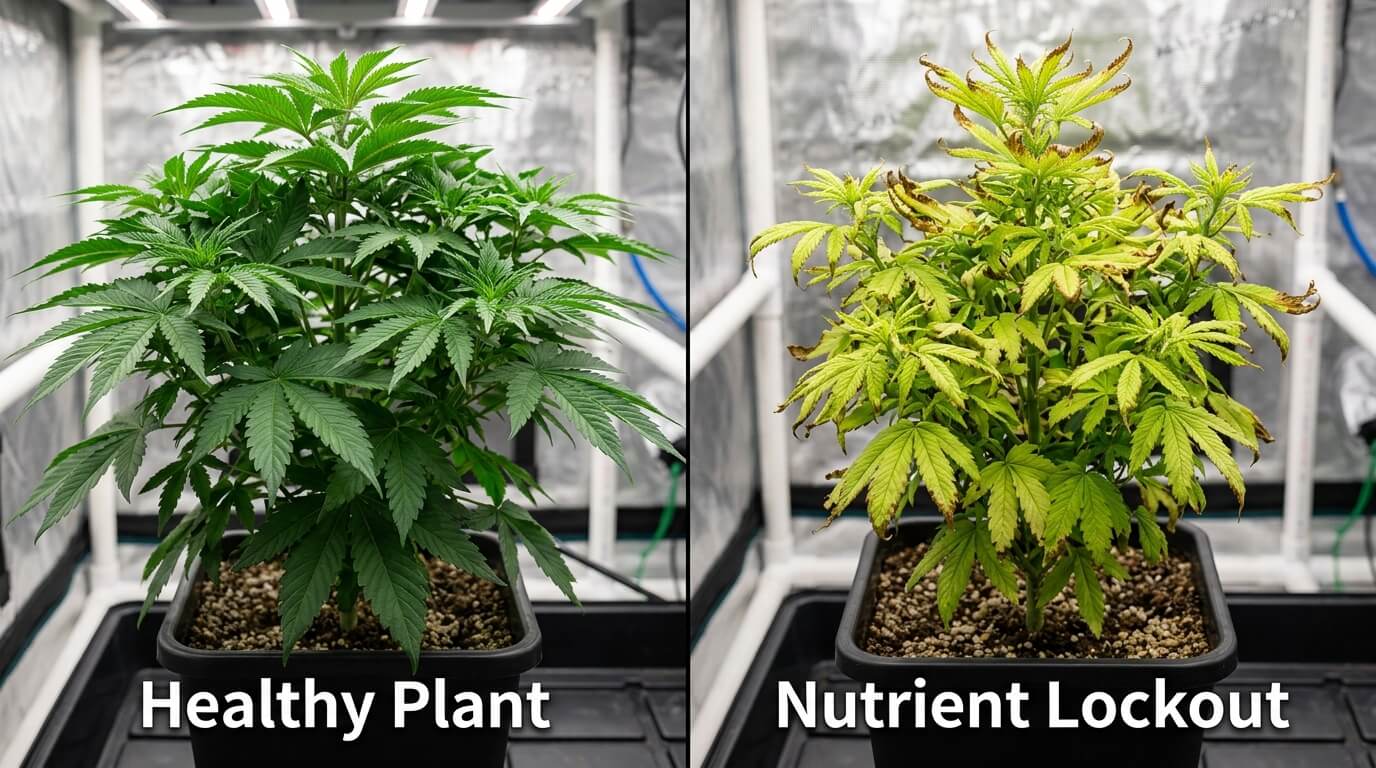
Autoflower Nutrient Lockout: Symptoms, Causes, Prevention and Recovery
Autoflower nutrient lockout is one of the most frustrating problems growers can face. You may be feeding your plants correctly and using quality nutrients, yet your autoflowers still show signs of deficiencies, slow growth, yellowing leaves, or poor bud development.…
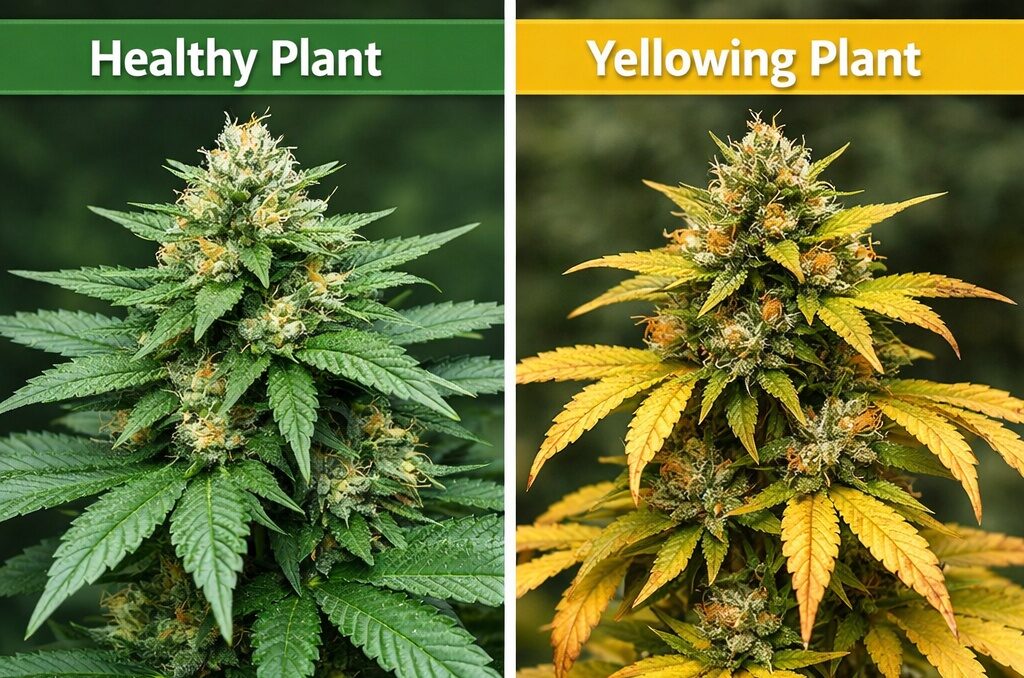
Why Are My Autoflower Leaves Turning Yellow? Common Causes and Solutions
Yellow leaves are one of the most common issues you'll encounter when growing autoflowers. In some cases, yellowing is completely normal and simply reflects the plant's natural aging process. In others, it can be an early warning sign of nutrient…
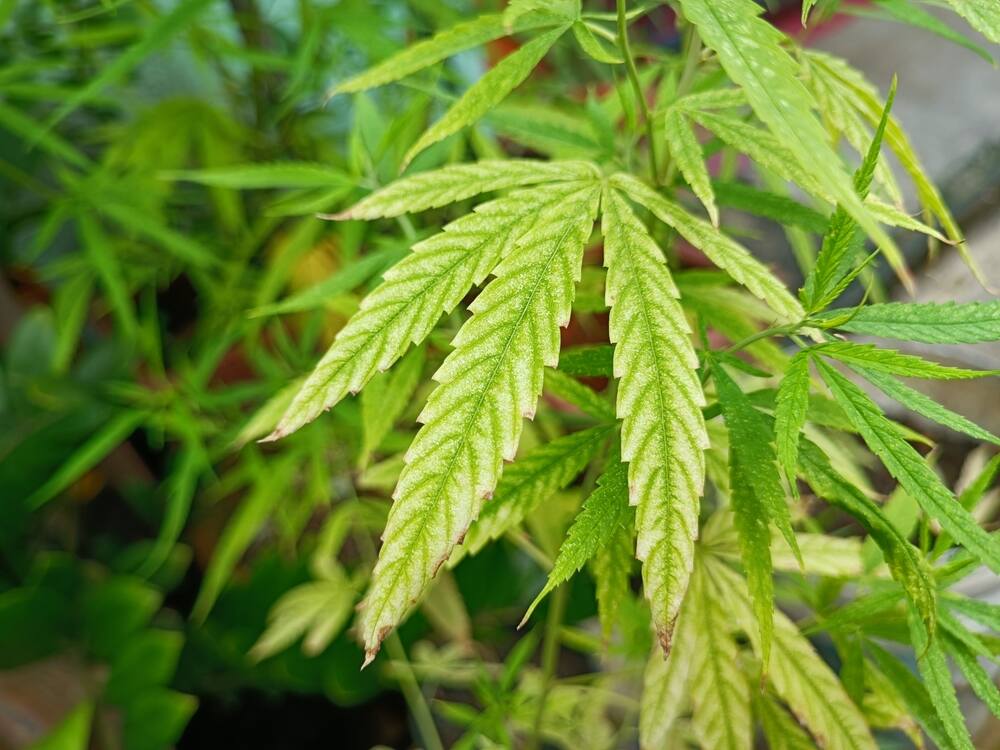
How to Fix Magnesium Deficiency in Autoflower Cannabis Plants
Magnesium deficiency is one of the most common nutrient problems autoflower growers face, particularly when growing in coco coir, hydroponic systems, or under powerful LED grow lights. Because autoflower cannabis plants have a short, fixed lifecycle, nutrient deficiencies can have…


