
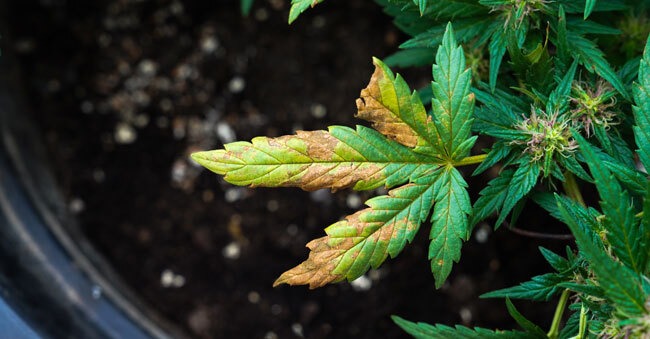
Autoflower Nutrient Burn: Signs, Causes, Prevention & Recovery
Autoflower nutrient burn is one of the most common feeding mistakes growers encounter, particularly during the seedling and early vegetative stages. While nutrients are essential…
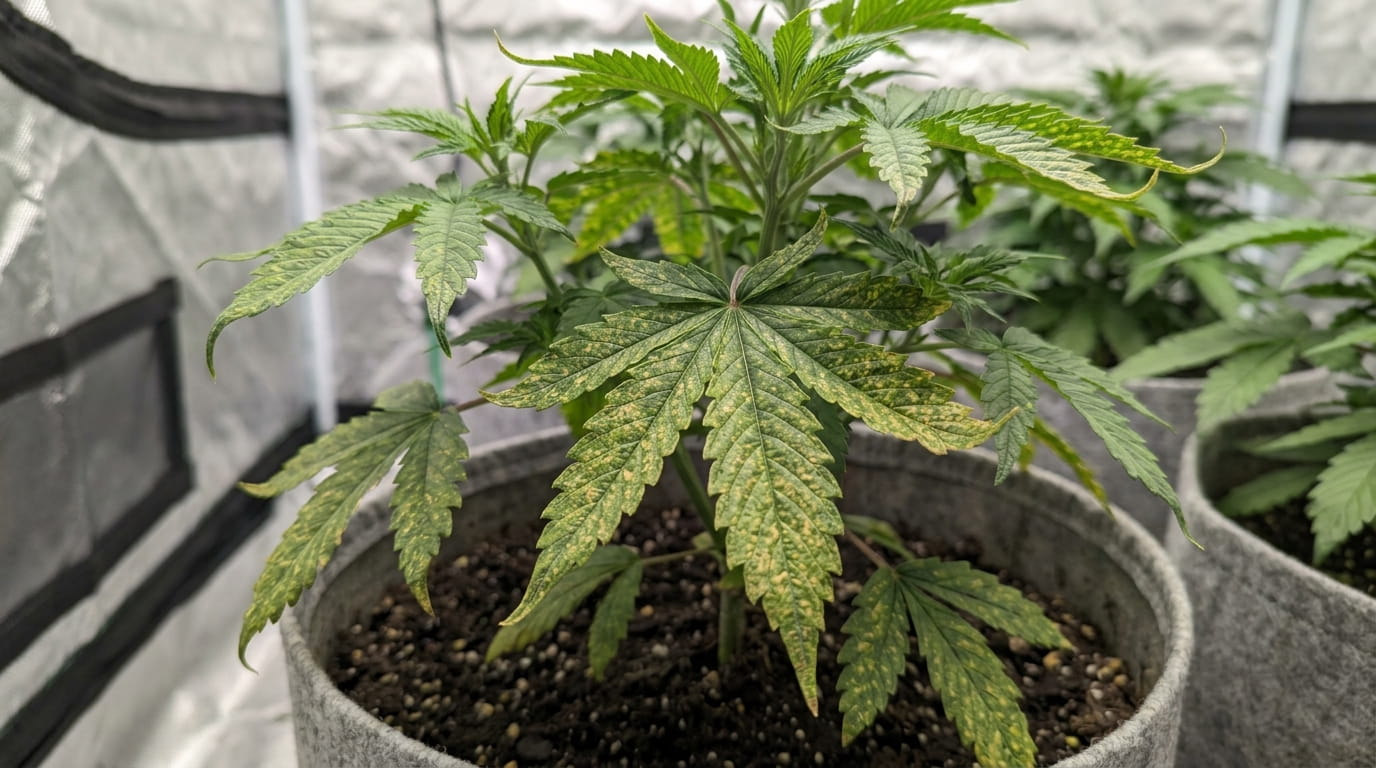
Molybdenum Deficiency in Autoflower Cannabis: Signs, Causes & Fixes
Molybdenum deficiency in cannabis is a rare but often confusing nutrient issue that can cause unusual leaf discoloration, yellowing foliage, and slowed growth even when…
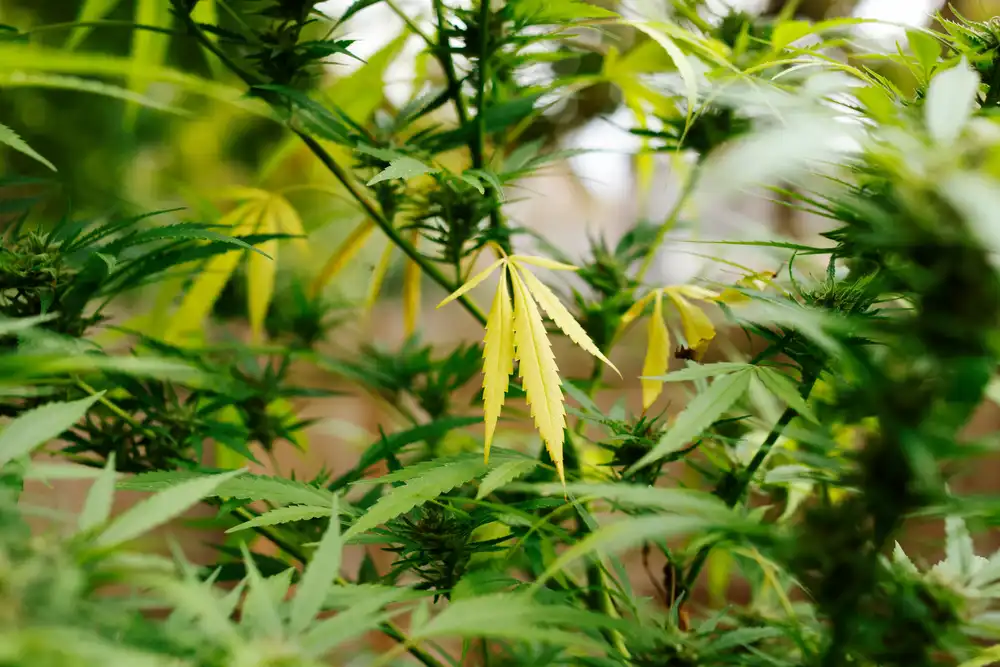
Sulfur Deficiency in Autoflowers: Symptoms, Causes & Fixes
Sulfur deficiency is a relatively uncommon but important nutrient problem in cannabis plants. It typically appears as pale yellow new growth, slowed development, weak stems, and reduced flower production. Because sulfur deficiency can look similar to nitrogen deficiency, it is…

Iron Deficiency in Autoflower Cannabis Plants: Signs, Causes, and How to Fix Yellowing New Leaves Fast
Iron deficiency in autoflower cannabis plants usually appears as yellowing of new leaves while the veins remain green, a symptom often caused by pH imbalance or nutrient lockout rather than a true lack of iron in the nutrient solution. Although…
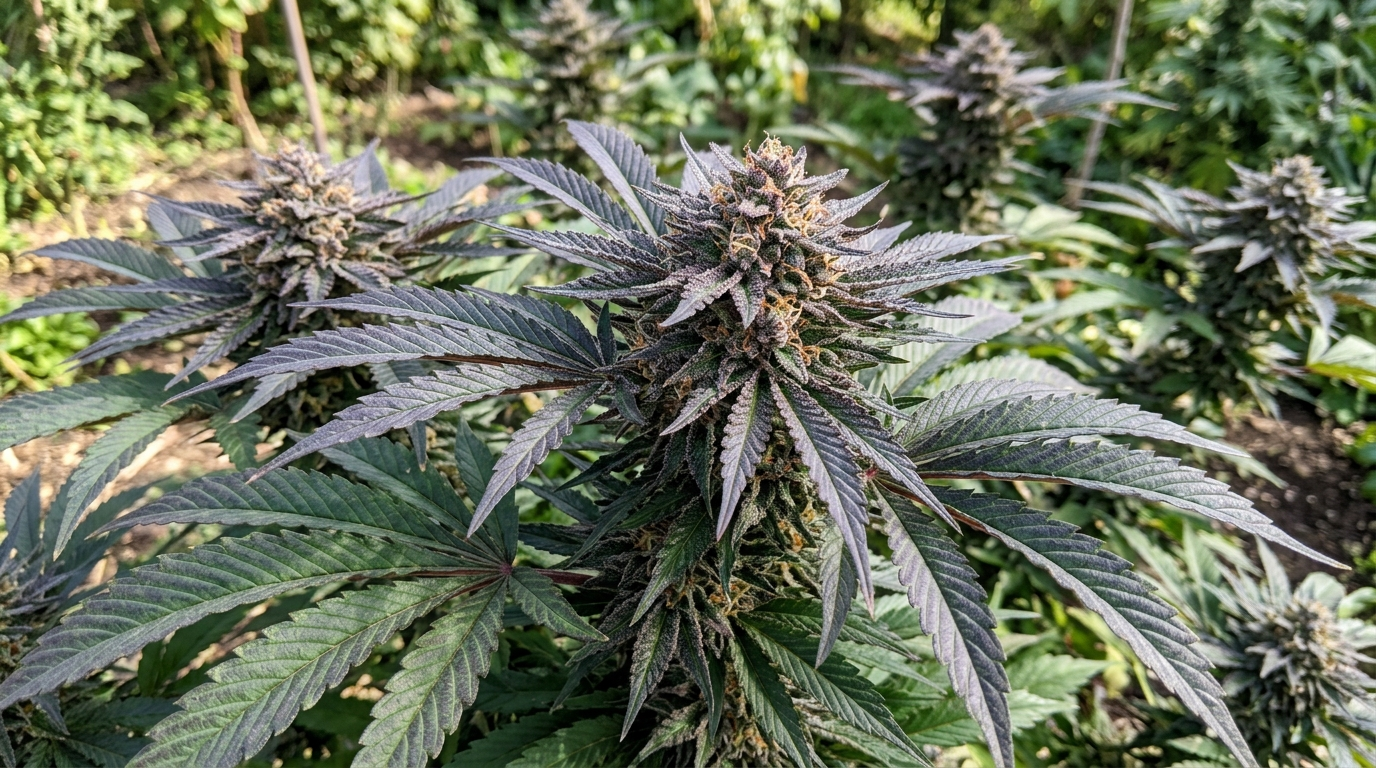
Copper Deficiency in Autoflowers: Symptoms, Causes and How to Fix It
Copper deficiency in cannabis is a relatively uncommon nutrient problem, but it can be challenging to identify because the symptoms often resemble nutrient burn, light stress, or other nutrient deficiencies. Dark green leaves, a metallic sheen, distorted new growth, and…
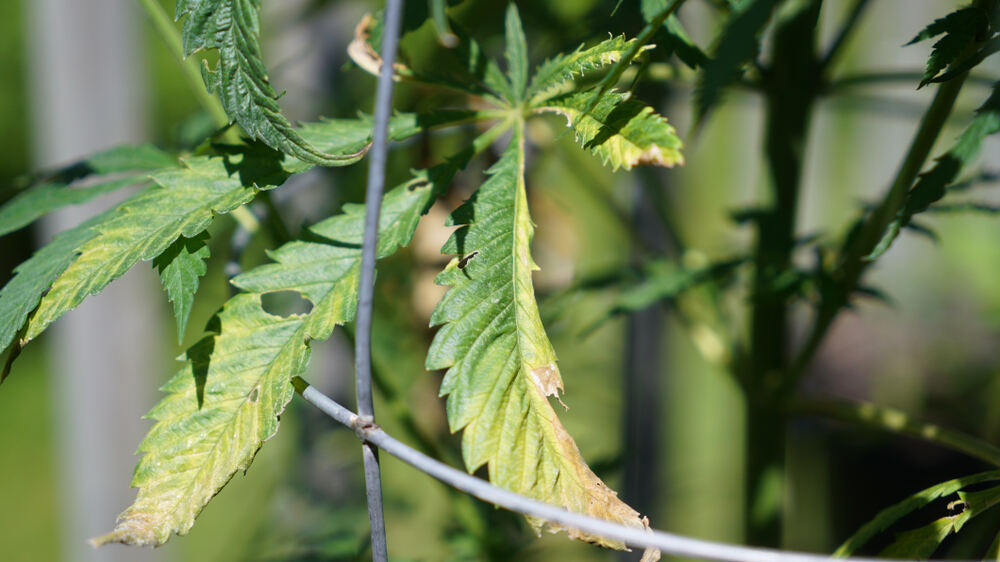
Potassium Deficiency In Autoflowers: Signs, Causes, Treatment And Prevention
Potassium deficiency is a common nutrient issue in autoflower cannabis plants, especially during flowering when demand for nutrients increases. Potassium plays a key role in water regulation, photosynthesis, nutrient transport, and bud development, so a deficiency can slow growth, reduce…
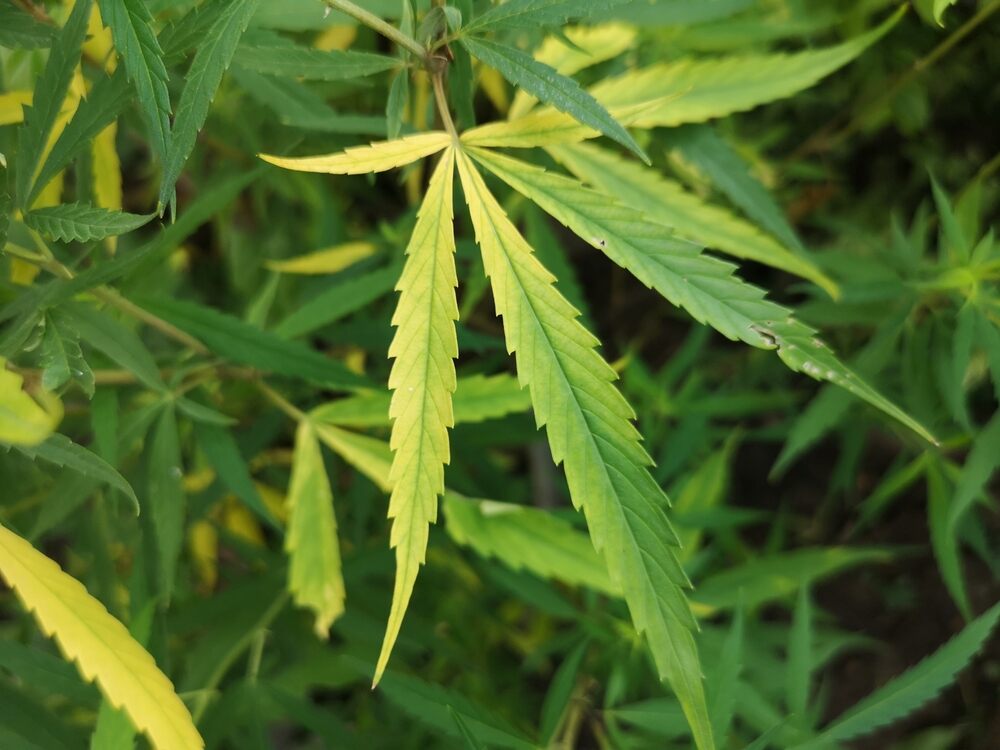
Nitrogen Deficiency in Autoflower Plants: Symptoms, Causes and Fixes
Nitrogen deficiency is one of the most common nutrient problems cannabis growers face, especially during the early stages of plant development. When cannabis plants do not receive enough available nitrogen, they struggle to produce healthy green foliage, strong stems, and…
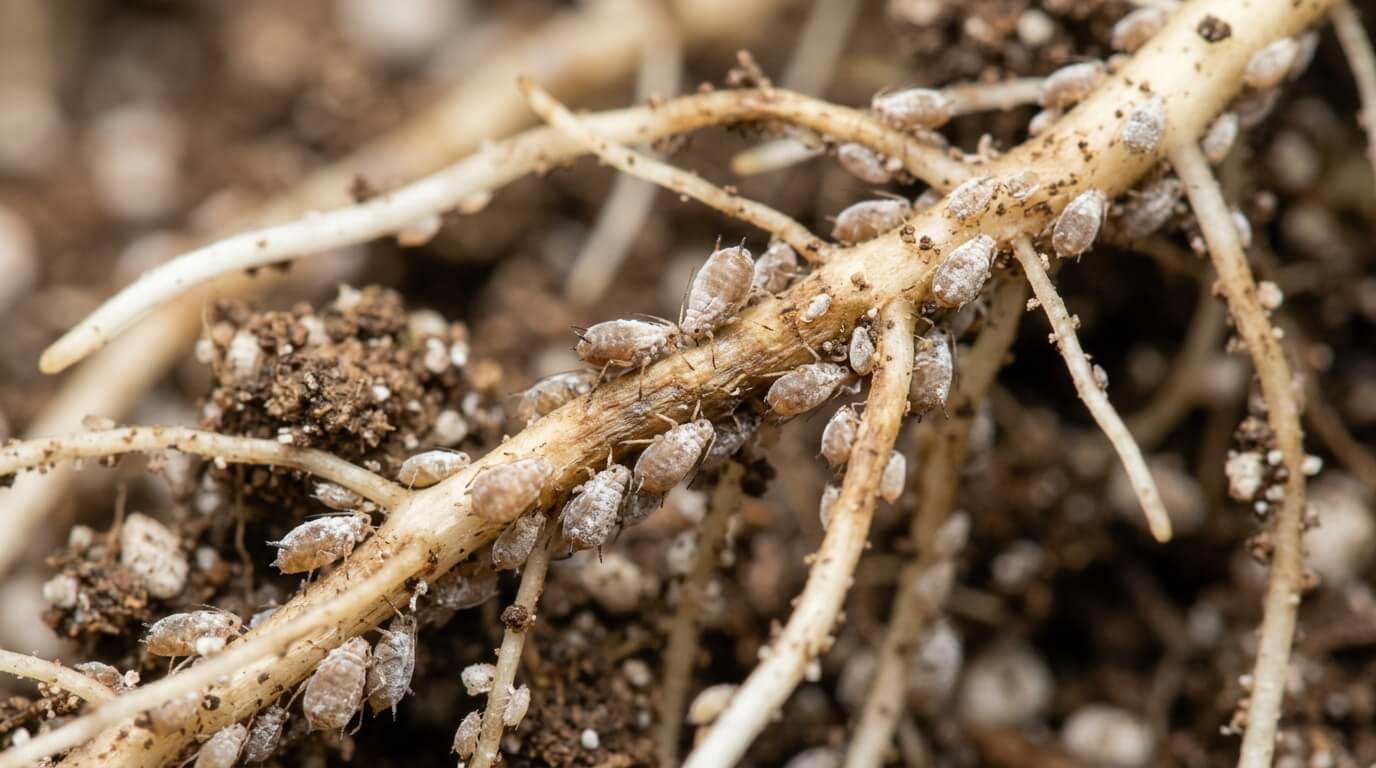
Root Aphids on Autoflowers: Symptoms, Root Damage & How to Control
Growing healthy autoflower cannabis begins below the surface, where root health plays a critical role in overall plant performance. While many pests target leaves and stems, root aphids attack the root system directly, limiting the plant’s ability to absorb water…
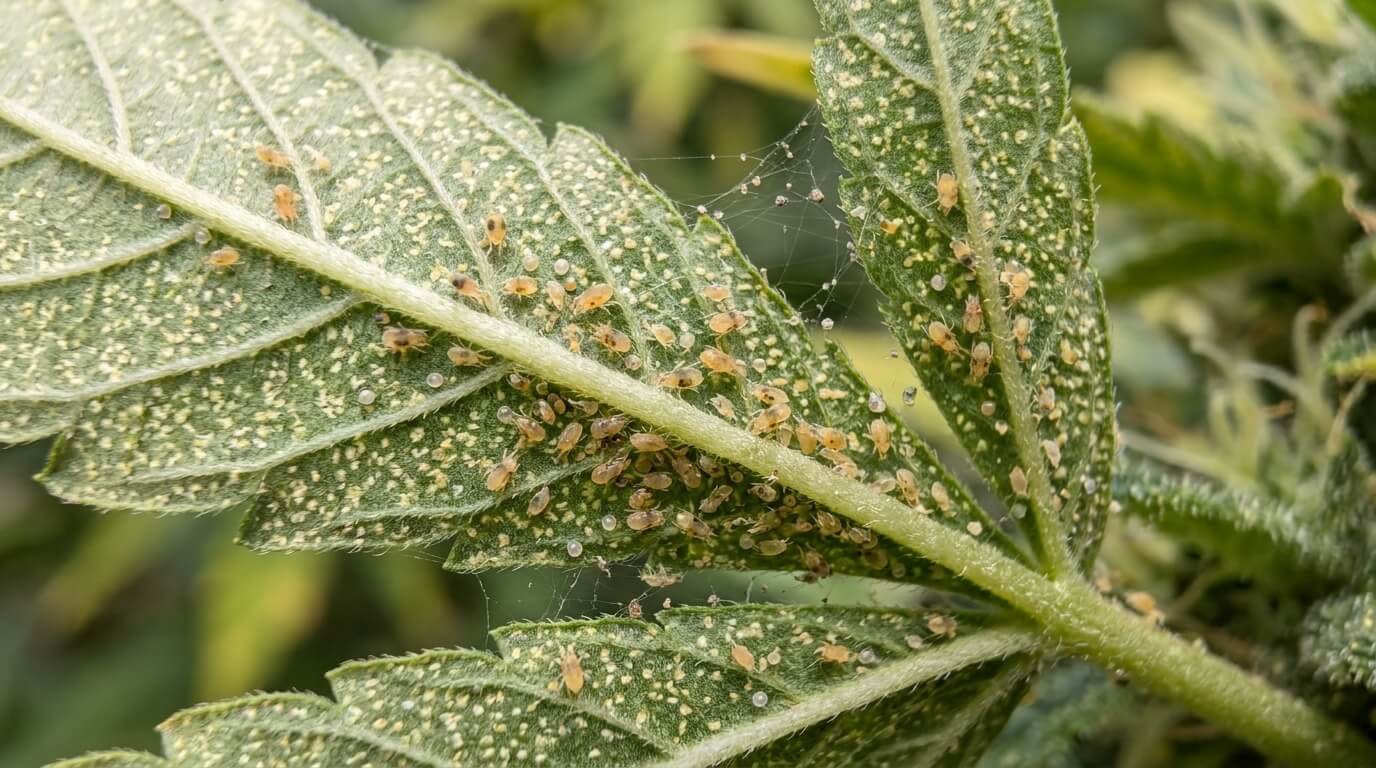
Spider Mites on Autoflowers: How to Identify, Treat and Prevent Infestations
Spider mites are one of the most destructive pests that cannabis growers can encounter, and they can become a serious problem in a surprisingly short amount of time. These tiny pests feed on plant tissue, causing leaf damage, reduced vigor,…
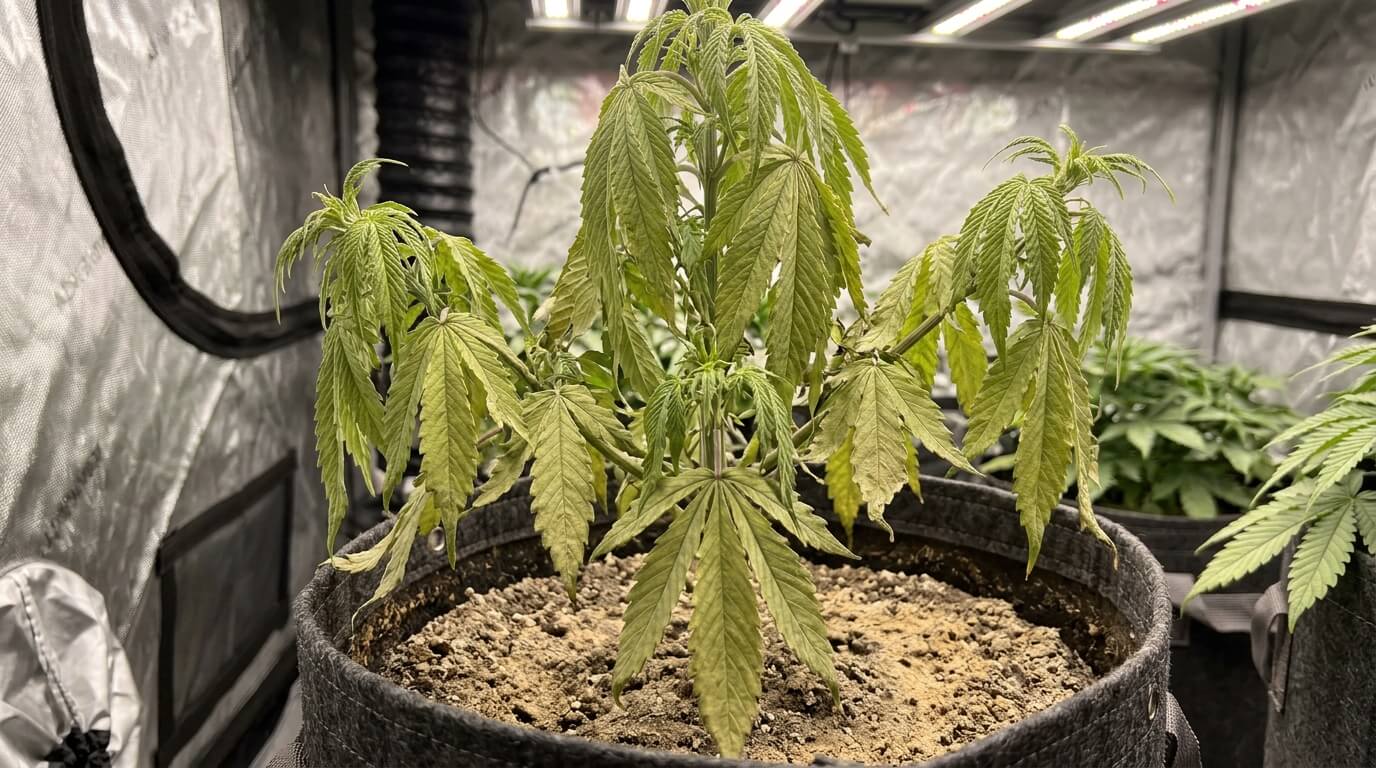
Overwatered vs Underwatered Autoflower Cannabis Plants: Signs, Differences and How to Fix Them
Watering cannabis plants correctly means finding the perfect balance between under- and overwatering. You do not want to give your plants too little water, causing them to go thirsty, or overwater them, resulting in a soggy growing medium. In this…


