
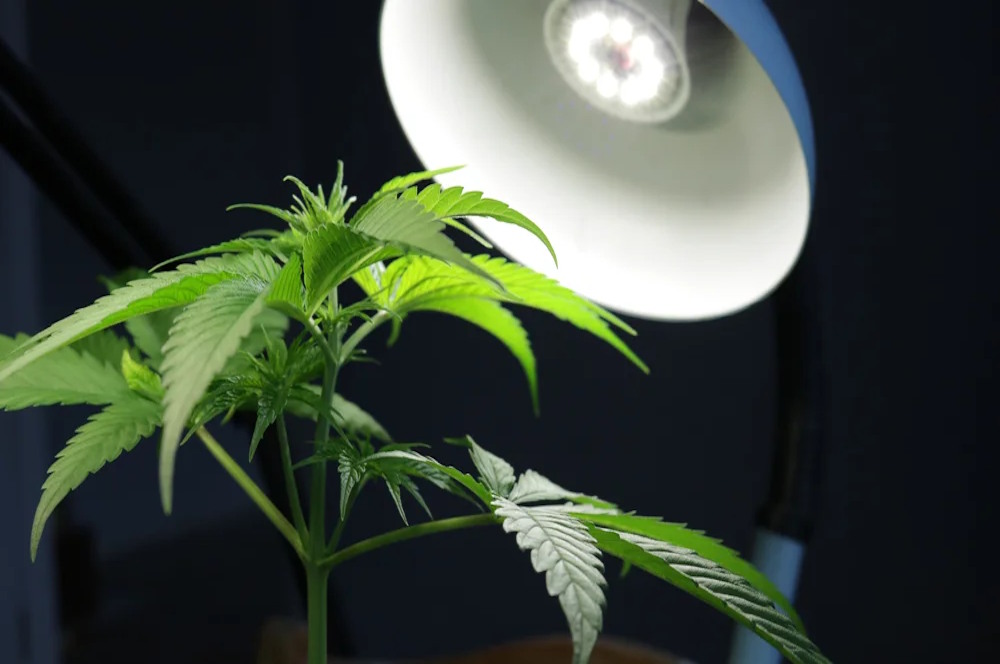
What is the ideal DLI for Autoflowers?
Patience may be a virtue, but in the world of autoflowering cannabis, it’s a luxury you simply can’t afford. Not like you can with photoperiod plants. There’s no vegetative limbo to buy you time, no reset button if conditions fall short. Autos germinate, grow, and flower on a fixed internal schedule, whether you’re ready or not. That means your margin for error is pretty thin. And light, more than almost anything else, needs to be right from the very beginning.
This is where DLI, or Daily Light Integral, takes center stage.
It might sound like one of those advanced cultivation terms, but it’s surprisingly easy to understand. More importantly, it’s something every grower should get to grips with. DLI isn’t just a buzzword. It’s a practical, measurable way to track how much usable light energy your plants receive each day. And when you get it right, the results speak for themselves: faster growth, tighter structure, and bigger, healthier buds.
Understanding Daily Light Integral (DLI) and its importance for autoflowers
What is DLI and how does it affect your cannabis grow?
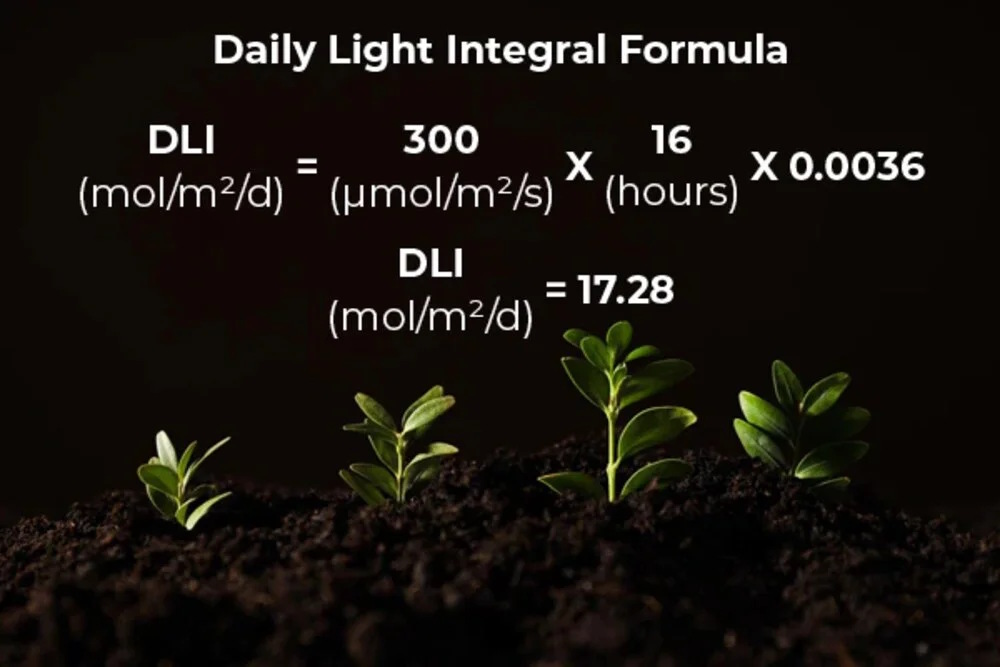
DLI stands for Daily Light Integral. It measures how much photosynthetically active radiation, or PAR, hits a square meter of your grow space over the course of a day.
In simpler terms, it tells you how much usable light your plants actually receive. Not just how bright your light is, but how much of that light is delivered and absorbed across the full photoperiod.
It’s measured in, wait for it – moles per square meter per day (mol/m²/day).
A mouthful, for sure, but it boils down to this: it’s a count of how many photons of light land on your plants over a 24-hour window.
Think of it as their daily energy budget. The more appropriate the light, the more they can photosynthesize, grow, and eventually flower with strength and structure.
This applies to all cannabis grows, but it’s especially important for autoflowers. With a fixed lifespan and no option to delay flowering, they need consistent light from day one. If you miss the mark early, there’s no time to correct course. That makes DLI one of the most important numbers in your entire setup.
Too little DLI, and growth slows or stalls completely. Too much, and you may see bleaching, curling, or photorespiration kick in as a form of plant stress. But get it right, and your autos will grow faster, stay sturdier, and produce better yields with fewer problems.
Do you need to understand DLI, and measure it for every single grow?
No, you don’t need to obsessively calculate DLI for every grow.
Heaps of growers do just fine by following rough guidelines for light intensity and photoperiod.
But if you want to improve consistency, maximize yields, or troubleshoot stubborn issues, understanding DLI can give you a surprisingly serious edge. It takes the guesswork out of lighting and helps you fine-tune your setup with confidence. Think of it as optional knowledge, but powerful if you choose to use it.
How DLI differs from PPFD and other light measurements
PPFD stands for Photosynthetic Photon Flux Density. It measures the intensity of light hitting your plants at a single moment, expressed in micromoles per square meter per second. It’s like a snapshot of how bright the light is right now.
DLI, on the other hand, is the total amount of light your plants receive over the course of a full day. It’s cumulative, which makes it far more useful when planning a grow.
To estimate DLI from PPFD, use this formula:
DLI = (PPFD × hours of light per day × 3.6) ÷ 1,000
In short, PPFD tells you intensity. DLI tells you if your plants are getting enough of that intensity over time.
Optimal DLI levels for each stage of autoflower development
Seedling stage
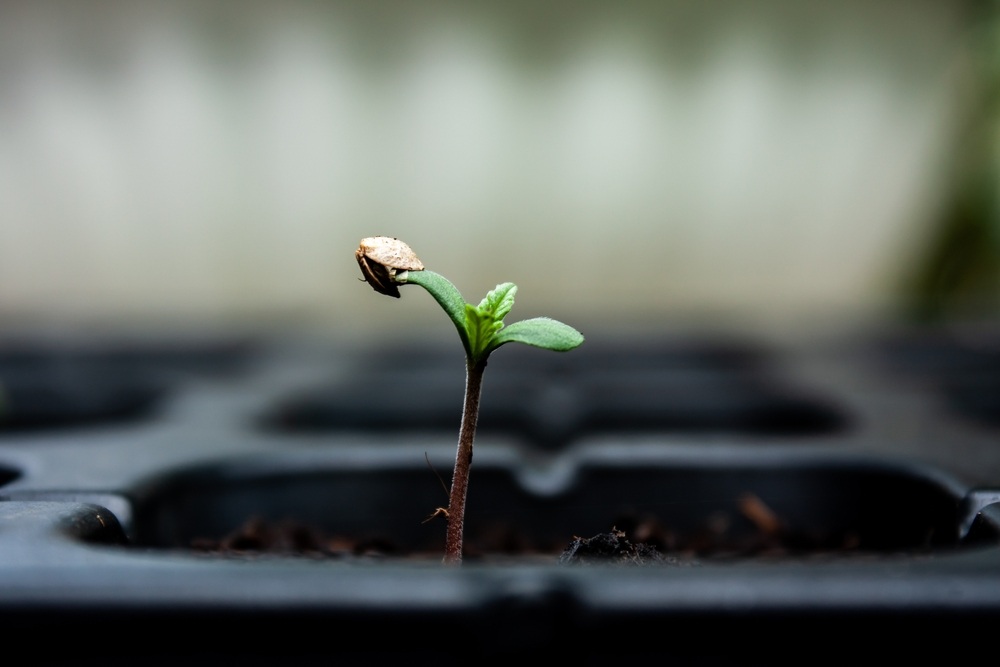
Young seedlings (up to around 10 days old) need gentle light to establish strong roots without stress. At this stage, too much intensity can cause leaf curling, bleaching, or stunted growth.
- Recommended DLI: 10 to 15 mol/m²/day
- Typical PPFD: 100 to 300 µmol/m²/s
- Photoperiod: 16 to 24 hours
Keep lights high enough to diffuse intensity and focus on a blue-rich or full-spectrum light option if possible, as this encourages compact growth and root development. The goal is steady, healthy progress, not a growth spurt.
Vegetative stage
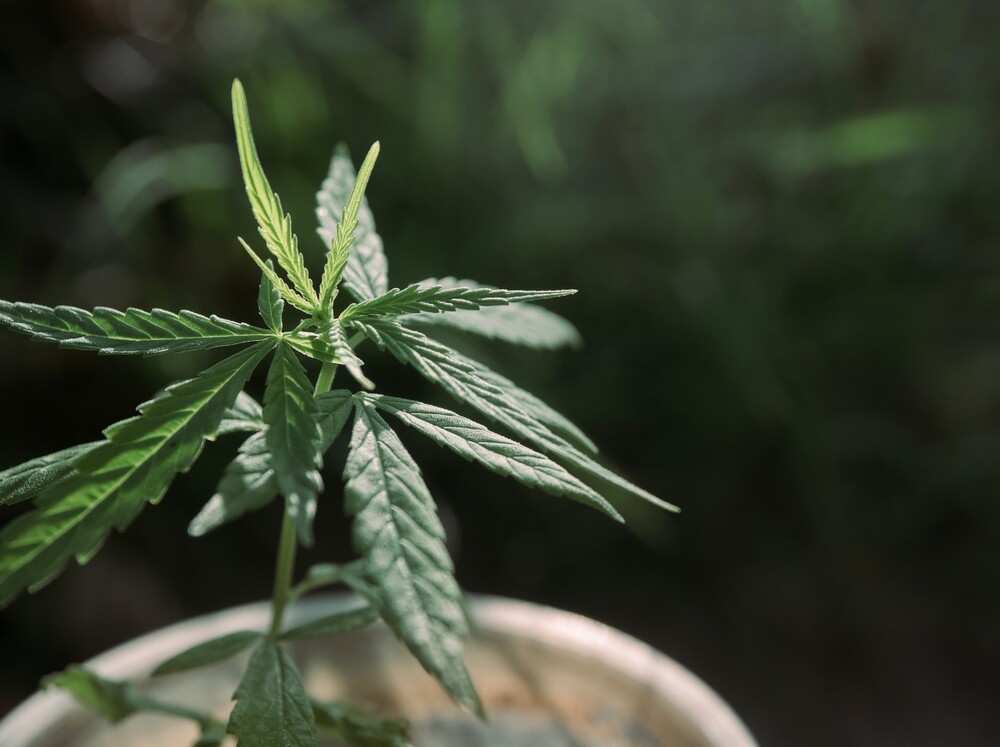
This is where your autos build the structure that will support their flowers. You want steady, aggressive growth, but not so much light that it triggers stress responses.
- Recommended DLI: 20 to 40 mol/m²/day
- PPFD range: 400 to 600 µmol/m²/s
- Photoperiod: 18 to 24 hours
An 18/6 schedule is the most common, but some growers use 20/4 or even 24 hours of light to push faster development. Just keep in mind that more light isn’t always better if your environment can’t keep up. The aim is dense, vigorous growth with short internodes and no signs of heat or light stress.
My recommendation? I always grow my autos under a 20/4 schedule.
Flowering stage
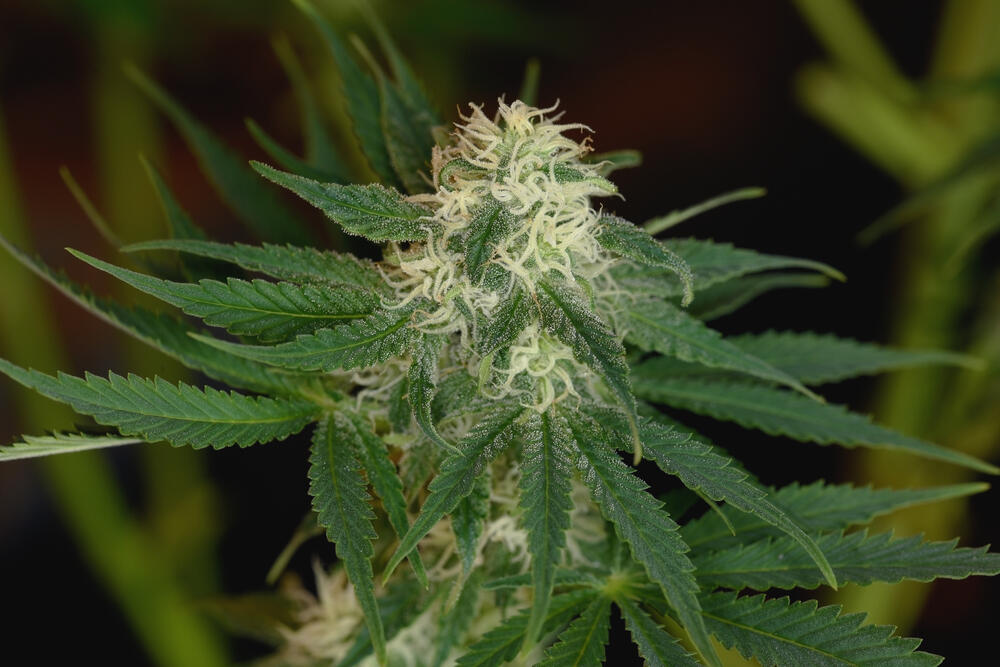
Once your plants start to flower, light becomes even more important. It fuels bud development, trichome production, and ultimately, your yield.
- Recommended DLI: 30 to 50 mol/m²/day
- PPFD range: 600 to 900 µmol/m²/s
- Photoperiod: 18 to 20 hours
As we’ve just covered, autoflowers don’t need a 12/12 cycle to bloom. In fact, most respond better to longer days right through to harvest.
What matters most is consistency – if you start the grow at 18/6, run it till harvest at that daily timing
Keep your DLI steady through early and mid-flower, so the plant can focus its energy on stacking weight and producing resin. Some growers do ease off the intensity in the final stretch to mimic late-season sun, which can help with ripening and color. But it’s optional. Not a rule, just a refinement.
Factors influencing DLI requirements in autoflowers
Genetic variations among autoflower strains
Autoflowers may share a growth pattern, but their light tolerance can vary significantly between strains. Sativa-leaning cultivars tend to handle higher DLI levels with ease, often responding well to the upper range during flower. Indica-dominant or heavily ruderalis-based autos may show signs of stress under the same conditions.
Breeder information can offer some guidance, but observation is key. Look for steady growth, upright leaves, and strong color as indicators of light balance. If plants begin to claw, fade, or stall, it may be time to reassess your intensity or duration.
Environmental conditions: indoor vs outdoor cultivation
Outdoors, DLI is shaped by geography, season, and weather. A summer grow in California might naturally reach 60 mol/m²/day, while an early autumn grow in northern Europe may just reach 25. These fluctuations can make a considerable difference to how autos perform.
Indoor cultivation provides stability. With full control over light intensity and duration, it’s easier to deliver consistent DLI throughout the plant’s life cycle. This is particularly valuable for autos, which don’t offer much room to correct environmental mistakes.
Greenhouse growers may find themselves somewhere in between, often supplementing natural light when needed.
Light source types and their impact on DLI
Your lighting hardware plays a central role in how efficiently you can reach target DLI levels:
| Light Type | Efficiency | Spectrum Control | Heat Output | Notes |
| LED | High | High | Low | Well suited to dialling in precise DLI |
| HPS | Moderate | Low | High | Powerful but less efficient overall |
| Fluorescent | Low | Limited | Low | Best for seedlings, not flowering |
Choosing the right light type makes it easier to meet your DLI goals without compromising other parts of the grow.
Measuring and adjusting DLI in your grow setup
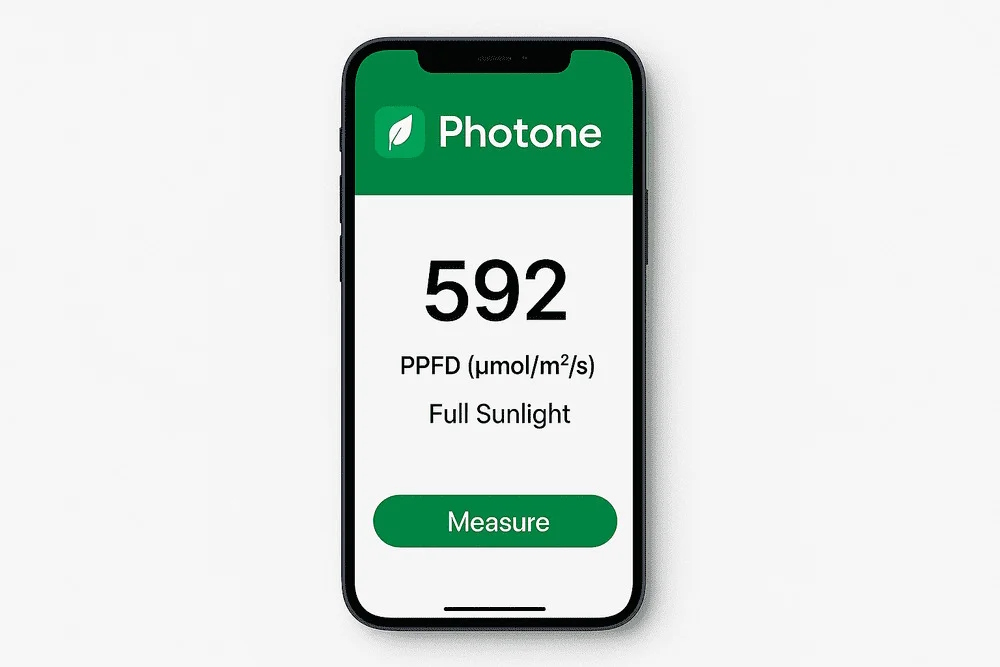
Now to the main event. How do you actually calculate DLI, and more importantly, how do you use that number to improve your grow?
The formula is straightforward:
DLI = (PPFD × hours of light × 3.6) ÷ 1,000
So if your PPFD is 600 and your lights run for 18 hours a day, your DLI comes out to just under 39. That’s ideal for flowering in most autoflowers.
You don’t need a lab coat to work this out. Most growers take one of three approaches:
- PAR meters are accurate and reliable, but usually come with a price tag to match
- Handheld sensors are more affordable and give decent results if you check a few spots across the canopy
- Apps and online calculators estimate DLI based on your light’s specs and schedule
Even a rough estimate is better than guessing. If you know your PPFD and how long your lights are on, you’re already ahead.
Adjusting DLI to match plant needs
If your DLI is too low:
- Lower your light slightly to boost intensity
- Increase your light hours, especially during the vegetative phase
- Use reflective walls or clean surfaces to reduce wasted light
If your DLI is too high:
- Raise the light or dim it down
- Shorten the photoperiod slightly if plants show stress
- Watch for symptoms like curled leaves, burnt tips, or pale patches
Once you’ve hit the right range, focus on keeping it steady. Autoflowers reward consistency. It’s not about chasing perfect numbers, but about creating an environment that helps the plant stay on track.
Final thoughts
Getting your DLI right isn’t about overengineering your grow. It’s about giving your plants what they need, when they need it, and trusting them to do the rest. Autoflowers don’t wait around, and neither should you. The more you understand your light, the more your plants will reward you for it.