

Hermie Cannabis Plant: Understanding Hermaphroditism in cannabis
Few things are more worrying for a grower during flowering than finding a hermie cannabis plant. When a female plant starts producing male flowers or…

Why are my cannabis leaves curling up and down? Problems and solutions
The leaves of your autoflower can tell you a lot about plant health. When cannabis leaves start curling up or down, clawing at the tips,…

When do autoflowers start flowering? Timing and transition explained
Most autoflowers start flowering around 3–5 weeks after germination, with the first signs of transition commonly appearing between days 21 and 35. The exact timing can vary between strains, so it is better to watch how your plant develops rather…
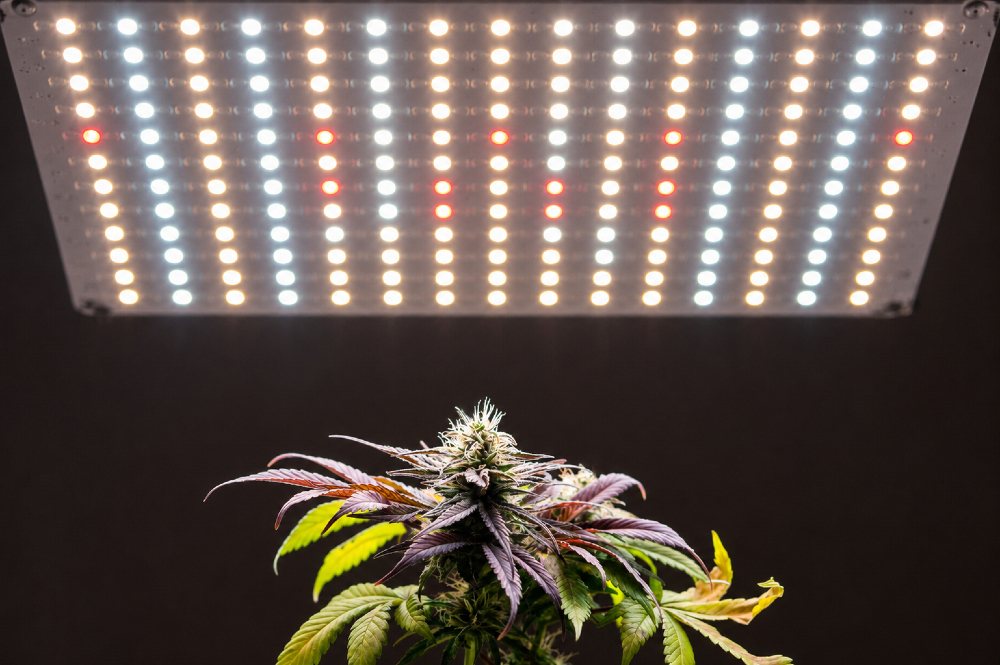
Choosing the best grow lights for your autoflowers
Growing autoflowers indoors gives you full control over your environment, but choosing the right grow light is one of the most important decisions you’ll make. Lighting directly affects plant growth, bud density, resin production, and overall yield. Because autoflowers have…
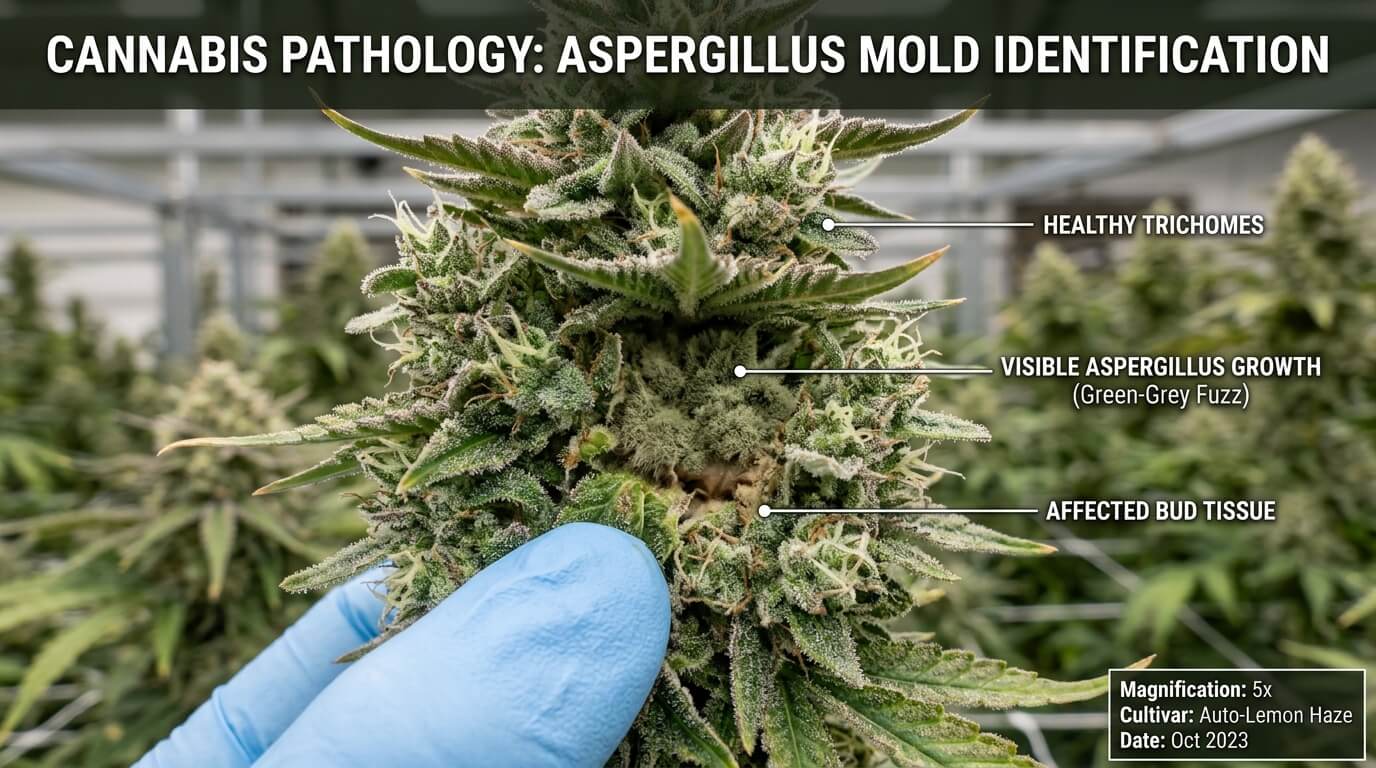
Aspergillus Mold in Autoflowers: How to Identify, Prevent, and Protect Your Harvest
Aspergillus mold on cannabis is one of the more serious fungal issues growers can run into, mainly because it can develop inside the buds before you notice anything is wrong. Unlike powdery mildew, which shows up on leaf surfaces, Aspergillus…
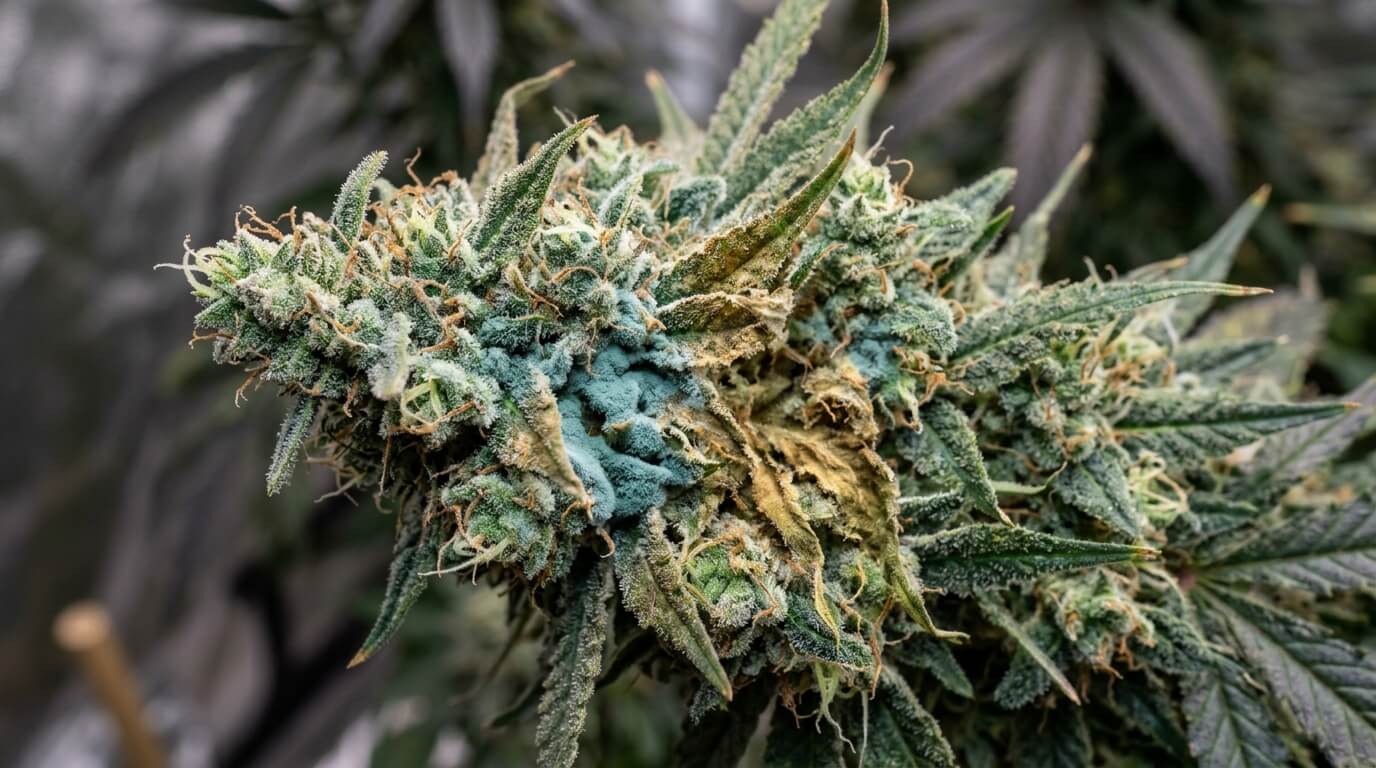
Penicillium Cannabis: How to Identify, Eliminate and Prevent It on Autoflowers
Penicillium is one of the most destructive fungal contaminants that can affect autoflower cannabis, capable of turning healthy, resin-covered buds into unusable flower in a matter of days. While Penicillium spores are naturally present in the environment, they only become…
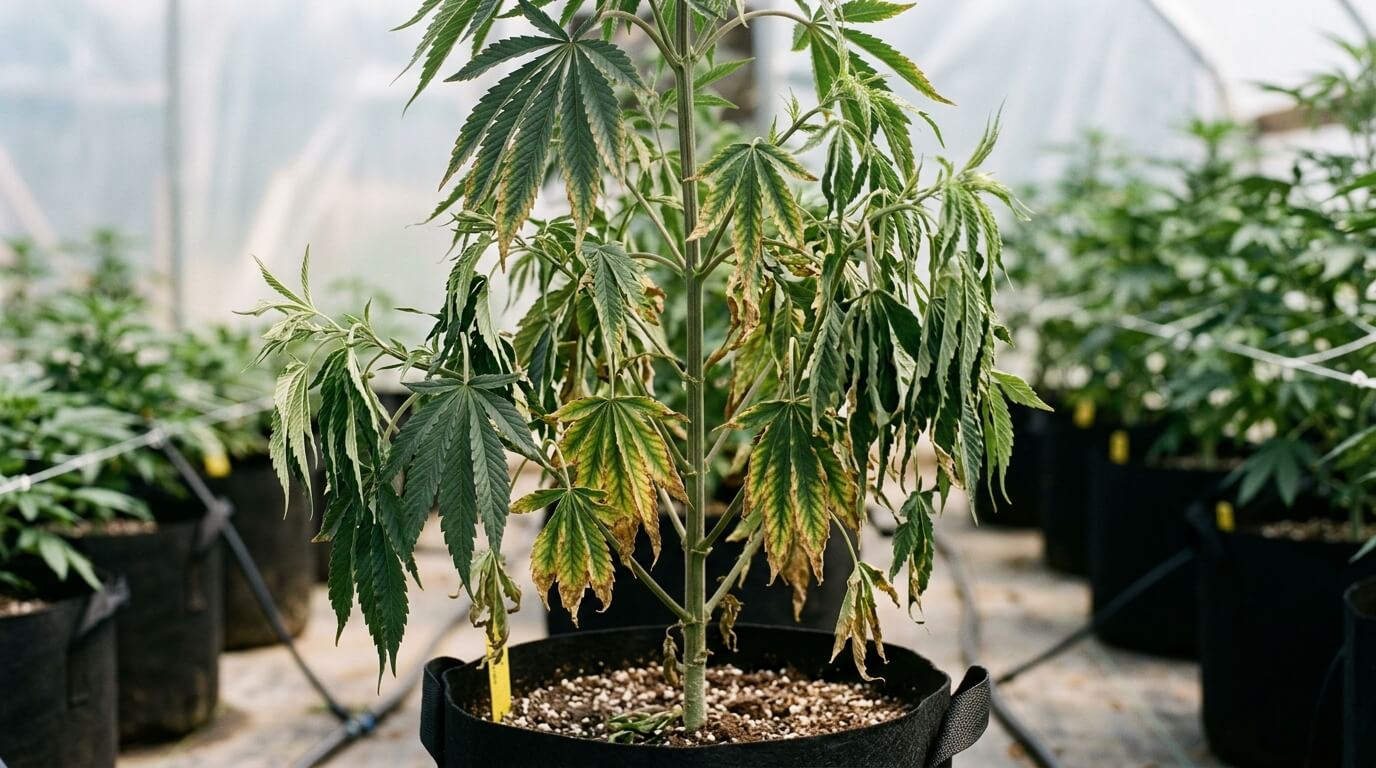
Fusarium in Autoflower Cannabis: Symptoms, Treatment & Prevention
Fusarium is one of the most challenging diseases autoflower growers can face. Unlike nutrient issues or environmental stress, it attacks the root system and vascular tissue, limiting the plant’s ability to absorb water and nutrients. By the time visible symptoms…
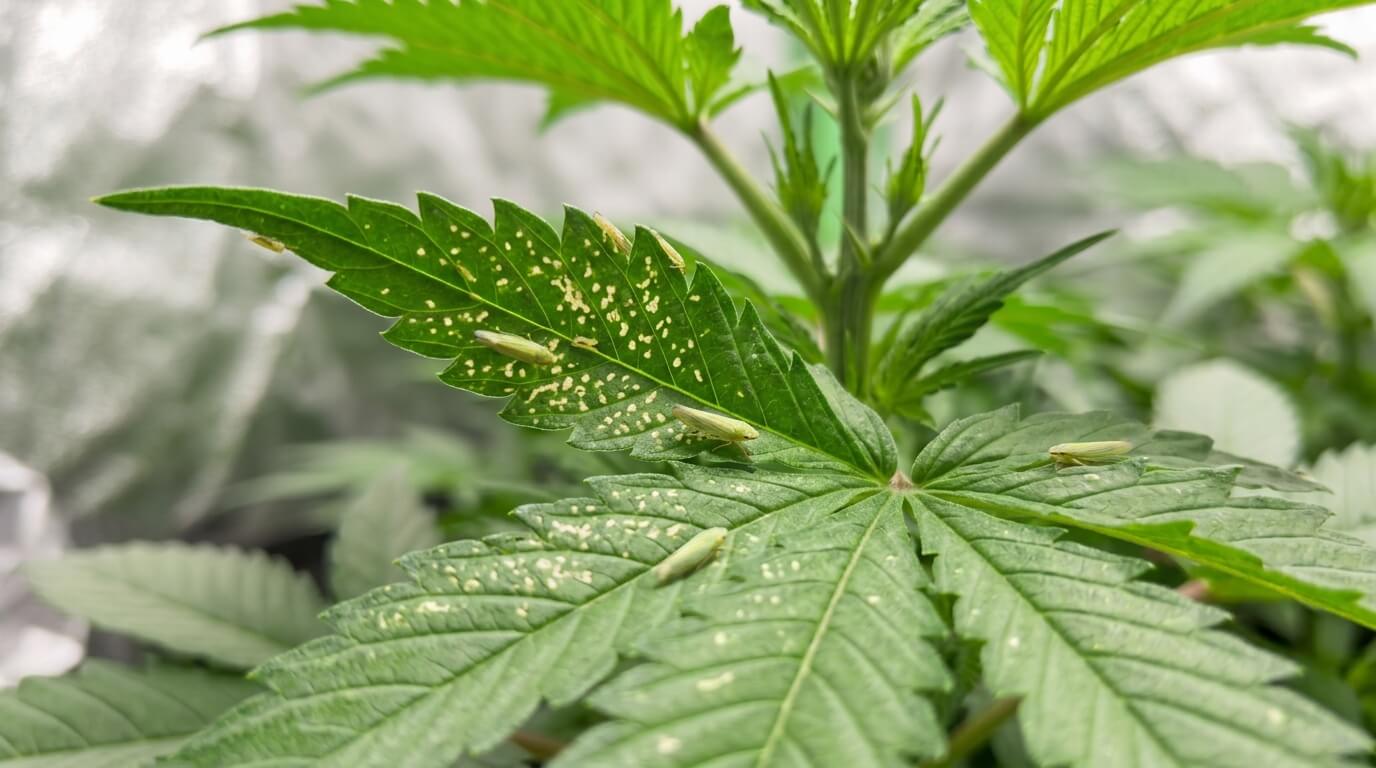
Leafhoppers on Autoflower Cannabis: Identification, Treatment & Prevention
Leafhoppers are small sap-feeding insects that can quickly become a problem for outdoor autoflower cannabis. While they rarely kill healthy plants outright, their feeding weakens leaves, slows vegetative growth, and can reduce flower production if left unmanaged. Because autoflowers have…
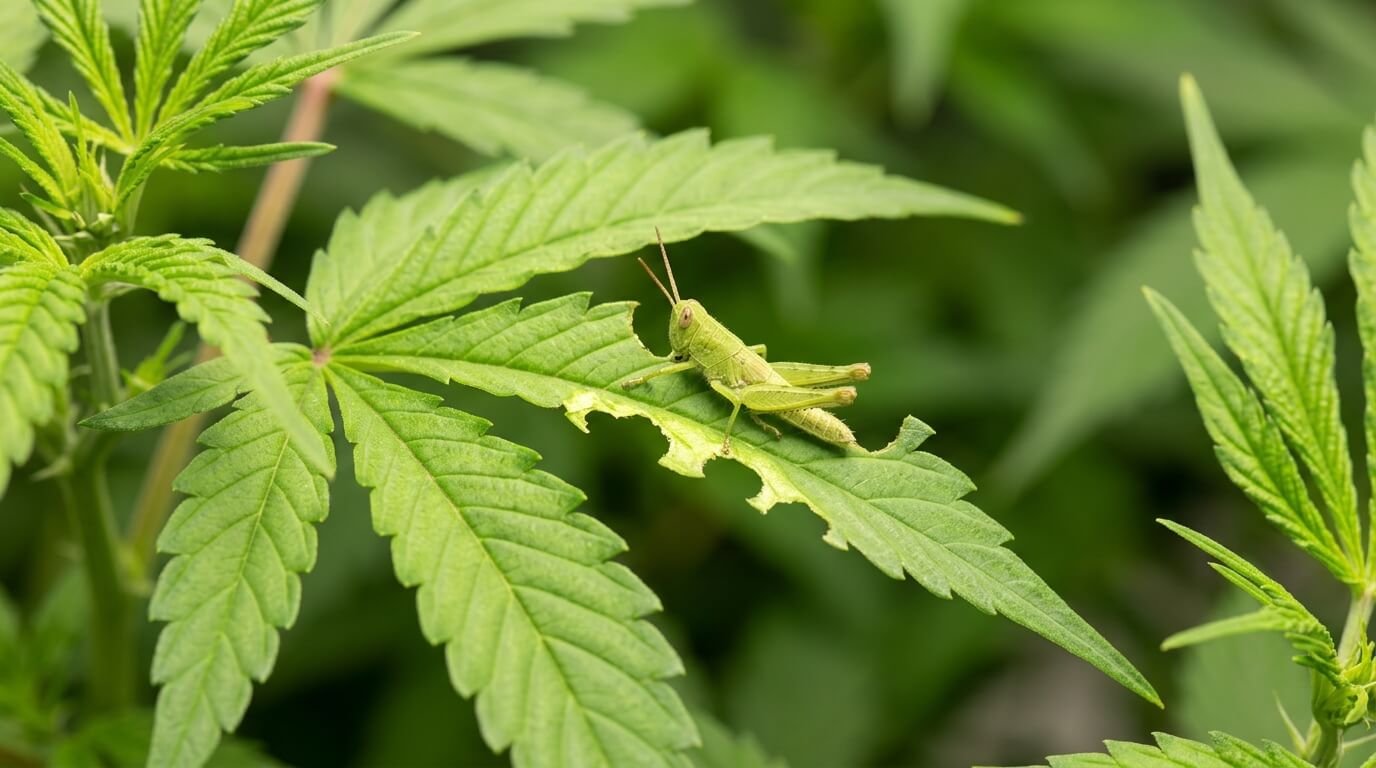
Grasshoppers on Outdoor Autoflowers: How to Protect Your Plants
Grasshoppers do eat outdoor autoflowers, feeding on leaves, tender stems, and new growth throughout the growing season. While established plants can tolerate occasional chewing, seedlings and young autoflowers are especially vulnerable because their short vegetative stage leaves little time to…
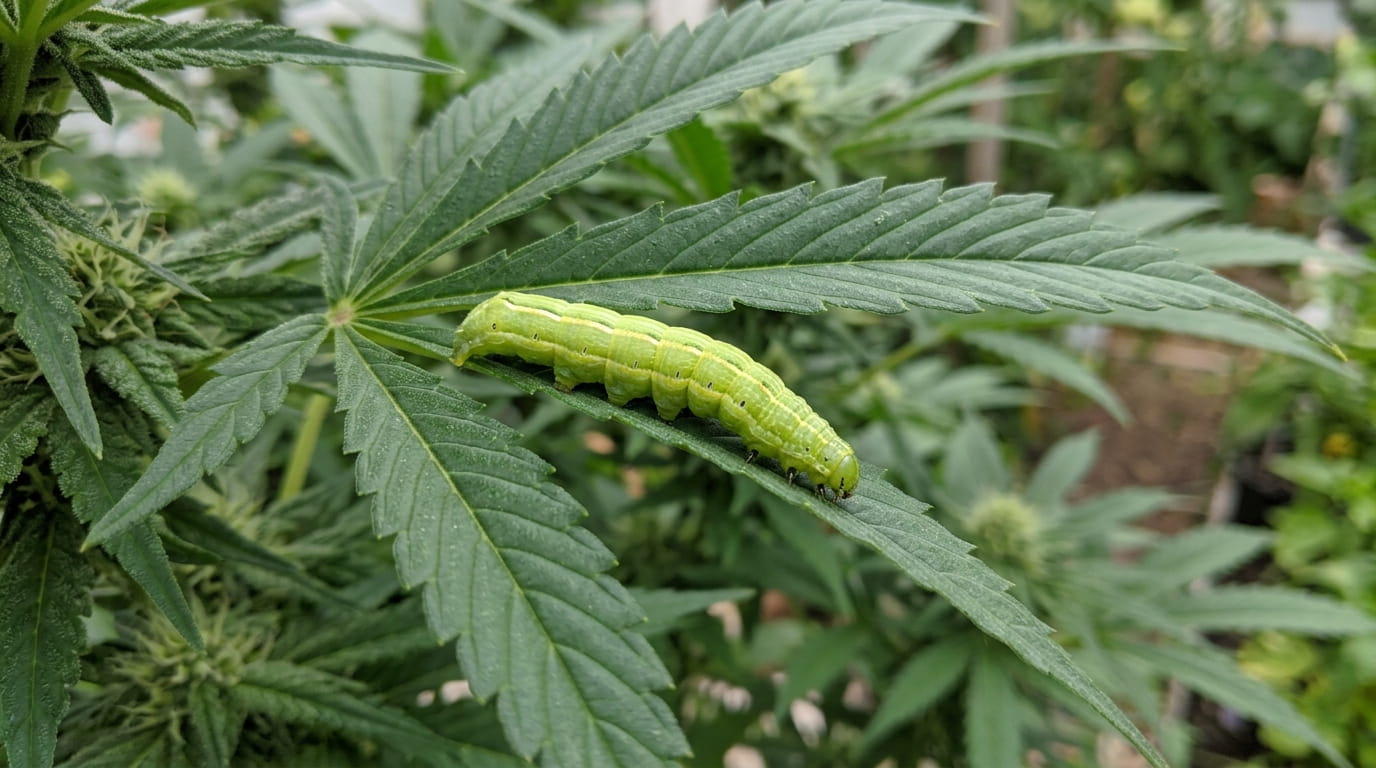
How to Get Rid of Caterpillars on Autoflowers Before They Ruin Your Harvest
Caterpillars are one of the most damaging pests outdoor autoflower growers can face. While minor leaf damage may seem insignificant at first, these pests can quickly progress to tunnelling into developing buds, where they become harder to detect and remove.…


