
Do autoflower plants produce seeds?
Like any cannabis plant, autoflowers can produce seeds, but only when pollen is introduced. This can happen naturally through pollination by a male plant or unintentionally when a female plant becomes stressed and produces male flowers. In this guide, we’ll explain how autoflower plants produce seeds, how breeders create new genetics, what causes accidental seed production, and whether male autoflowers exist.
Looking for premium autoflower seeds? Browse our full collection of autoflower seeds.
Can autoflowers produce seeds?
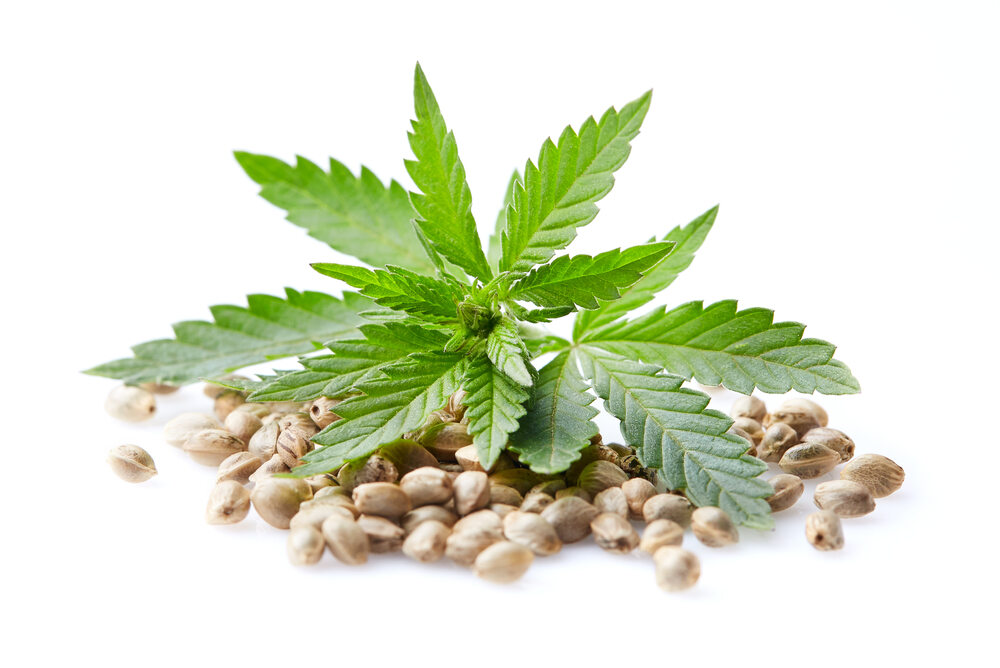
Yes, in short autoflowers can produce seeds. Breeders create autoflowering seeds by pollinating female autoflower plants with male pollen. This process involves having both a mother (female) and a father (male) plant. When the flowers on the female plant have been pollinated by the male pollen, seeds will begin to grow inside the flowers. The seeds will also carry the autoflowering trait.
Do Autoflower Plants Always Produce Autoflower Offspring?
If both parent plants carry stable autoflower genetics, the offspring will usually inherit the autoflowering trait. However, the characteristics of any cannabis plant are determined by its parents. If an autoflower is pollinated by a photoperiod plant, some of the resulting offspring may lose the automatic flowering trait.
This is one of the reasons breeders carefully select and test parent plants when developing new genetics. Consistent breeding helps ensure future generations reliably retain the characteristics growers expect.
What causes a stressed autoflower to produce seeds?
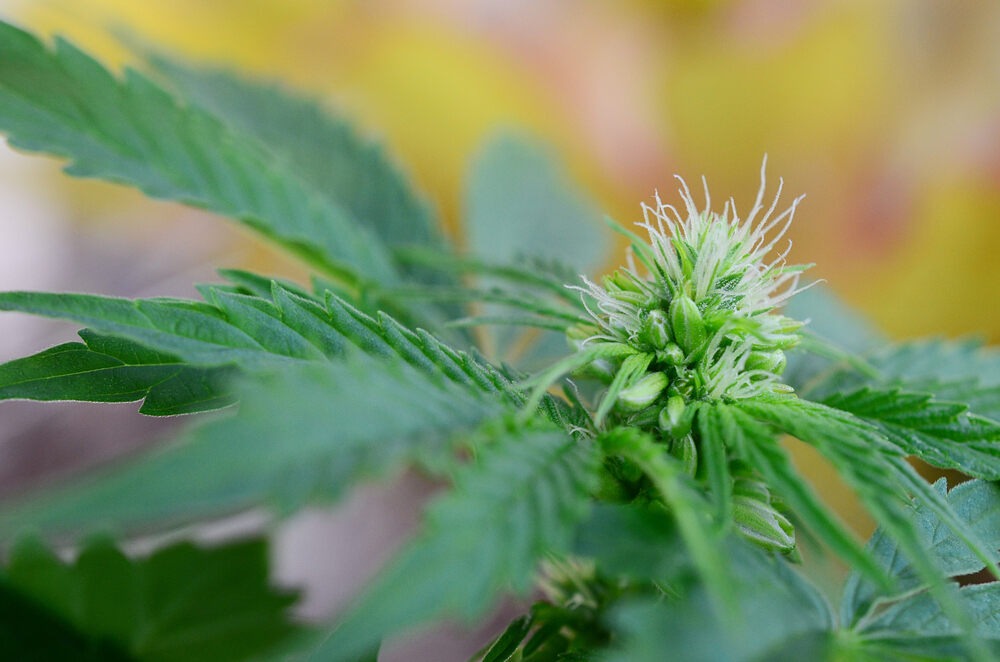
Stress in all cannabis plants can cause them to produce seeds and is actually a survival mechanism. When an autoflower experiences stress, which could be caused by anything such as nutrient imbalances, physical damage or disease, it can cause the plant to enter survival mode. In this state, the plant’s main objective is to procreate and keep its genetics going after it dies. While stressed a female plant can produce male flowers or become hermaphroditic, allowing it to self-pollinate. This self-pollination results in the production of seeds, which the plant creates as a natural response to ensure its genetic lineage continues despite the stress.



How do you get an autoflower to produce seeds?
It’s not a good idea to stress a plant into self-pollination as this could end up damaging the plant. Breeders use several pollination methods. One common method is manual pollination, where breeders collect pollen from a male plant and carefully brush it onto the flowers of a female plant. The benefit of this approach is that as a breeder you can select the best female plant and the best male plant and only breed those, creating even stronger offspring.
Another method is open pollination, where male and female plants are grown together in the same space, allowing natural pollination to occur. A more controlled approach is selective pollination, where breeders isolate specific branches of a female plant and apply pollen to those areas only.
Is All Autoflower Offspring Feminized?
No. Producing autoflower offspring and producing feminized offspring are two different things. If a male autoflower pollinates a female autoflower, the resulting seeds can grow into either male or female plants.
To produce feminized seeds, breeders use specialised breeding techniques that ensure the pollen comes from a female plant rather than a male. This allows the resulting seeds to grow almost exclusively into female plants.
At Auto Seeds, all of the autoflower seeds we sell are feminized, making cultivation much simpler for growers who are focused on producing flowers rather than breeding projects.
Regular autoflower genetics are still available and are mainly used by breeders looking to create new crosses, develop new strains, or preserve specific traits for future generations.
Where does autoflower genetics come from?
Autoflower genetics originate from a wild cannabis variety called Cannabis ruderalis, which is native to Siberia. The harsh weather conditions and short summers where it grows have forced the plants to adapt by developing the ability to flower automatically, regardless of light cycles. This unique trait allows autoflowers to complete their life cycle quickly, making them well-suited for regions with shorter summers. Breeders such as Auto Seeds have since crossed ruderalis with other cannabis strains to create modern autoflowers that combine automatic flowering with desirable traits like bigger yields and potency.
How Can You Tell If An Autoflower Has Been Pollinated?
A pollinated autoflower will often stop focusing on flower production and begin directing energy towards developing seeds. Common signs include swollen calyxes, reduced resin production, and visible seeds forming within the flowers.
Breeders monitor pollinated plants closely to ensure seeds reach maturity before harvest. For most growers, however, accidental pollination is something to avoid as it reduces flower quality and overall yield.

How many seeds can a single autoflower plant produce?
A single autoflower plant can produce over 1,000 cannabis seeds depending on the strain and how big the plant is.
Why shouldn’t you clone autoflower plants?
While technically possible, cloning autoflower plants is just not very practical. Autoflowers only spend 2-4 weeks in the veg stage and if you clone an autoflower, it needs time to root and start growing. However, before the clone can establish itself, the plant’s internal clock will trigger it to start flowering. The result is a small, underdeveloped plant with almost no bud production.
So yes, you can clone autoflowers, but you would only grow enough weed for a few joints.
Can you get male autoflowers?
Yes, you can get male autoflowers. Regular autoflower seeds produce both male and female plants. However, you just don’t see regular seeds very often unless you are breeding your own strains.