
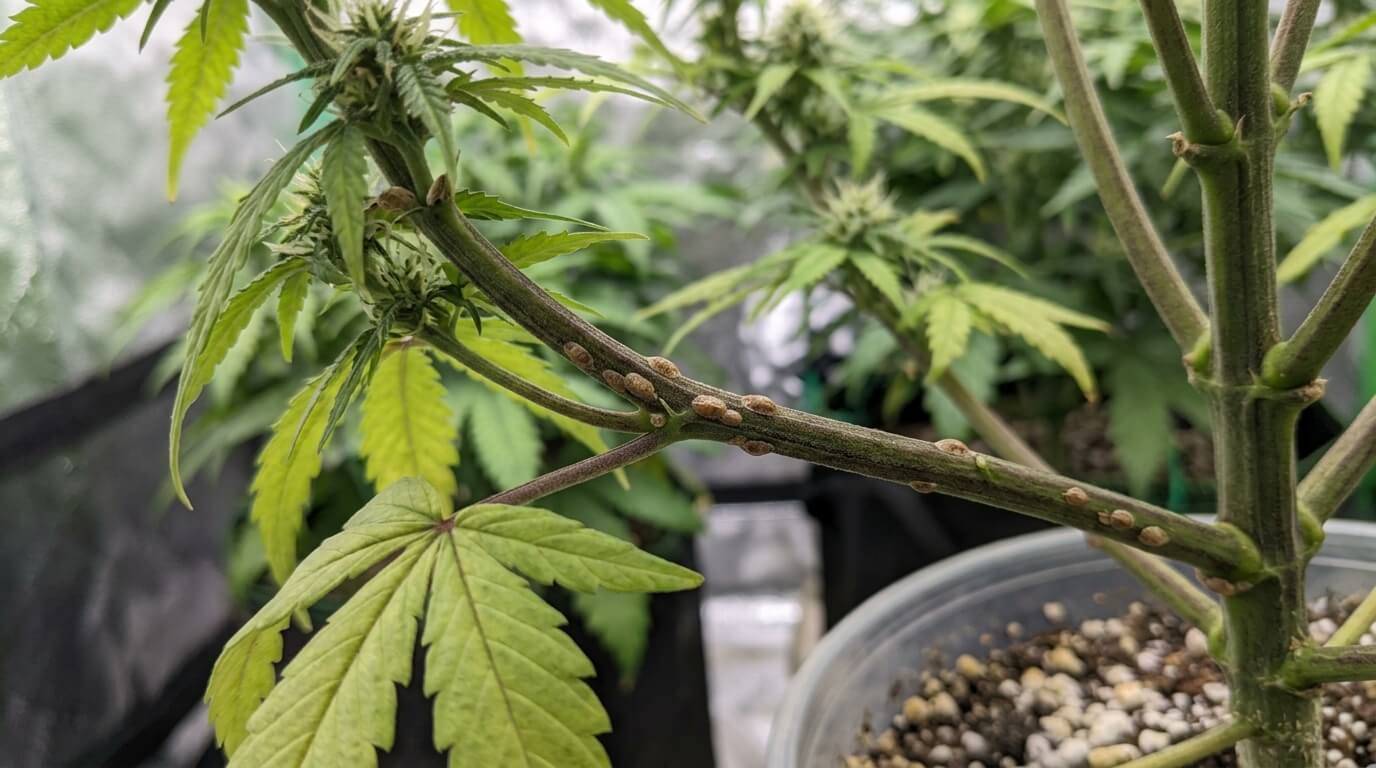
Scale Insects on Autoflower Cannabis: How to Identify, Treat & Prevent Infestations
Scale insects, often referred to by growers as "barnacles on cannabis," are sap-feeding pests that attach themselves to stems, branches, and leaves, where they gradually…
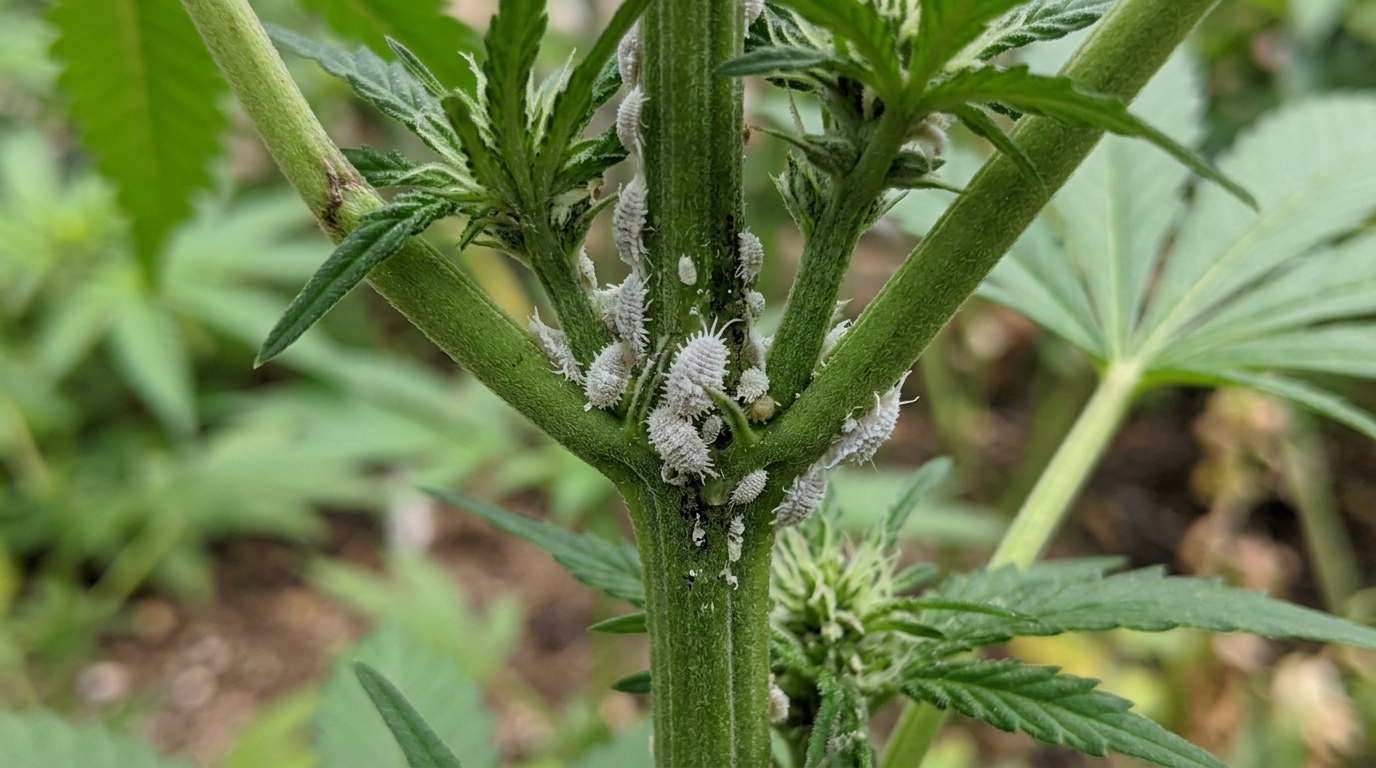
Mealybugs on Autoflower Cannabis: Identification, Treatment, and Prevention
Mealybugs on autoflower cannabis are small white sap-sucking insects that can quickly become a serious problem if left untreated. These cotton-like pests commonly hide around…
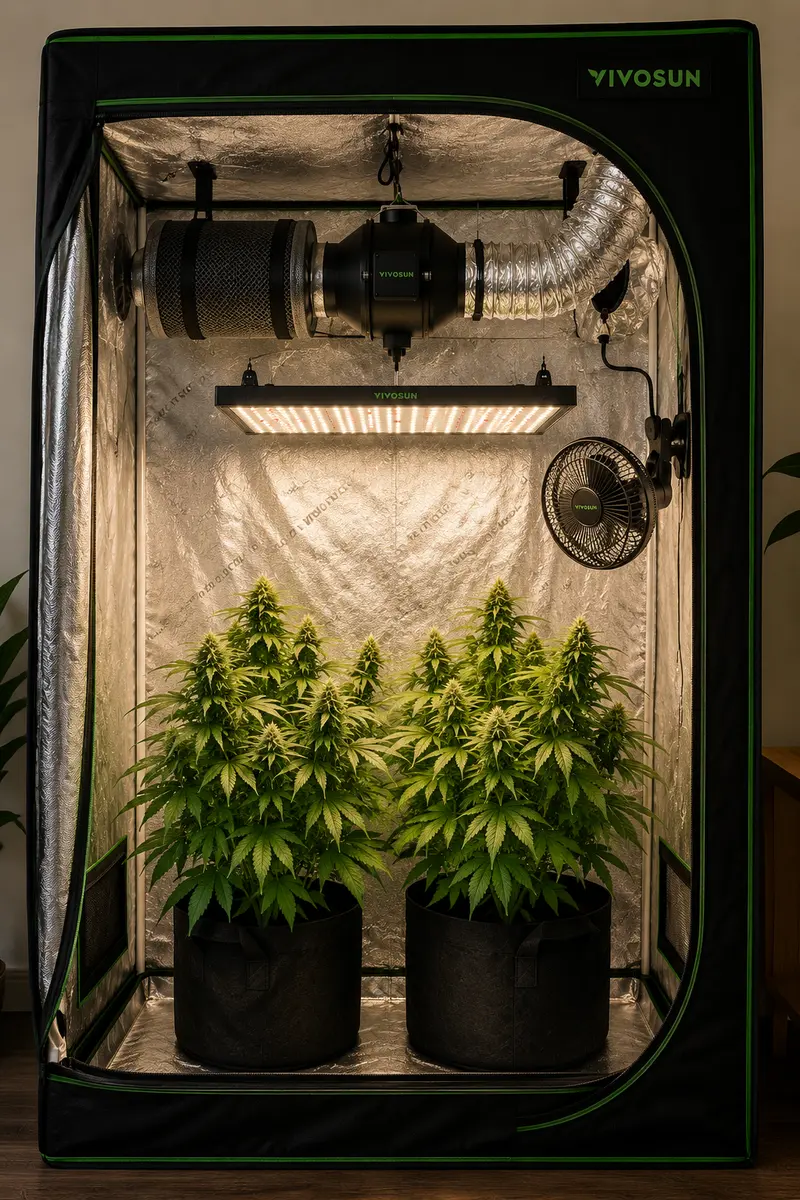
Autoflower Grow Room Ventilation: Complete Guide to Grow Tent Airflow, Fans, and Setup
Indoor cannabis cultivation depends on more than lighting, nutrients, and genetics. Without proper ventilation, even well-designed grow rooms can struggle with excess heat, rising humidity, poor air exchange, and environmental instability that limits plant performance. Effective cannabis grow room ventilation…
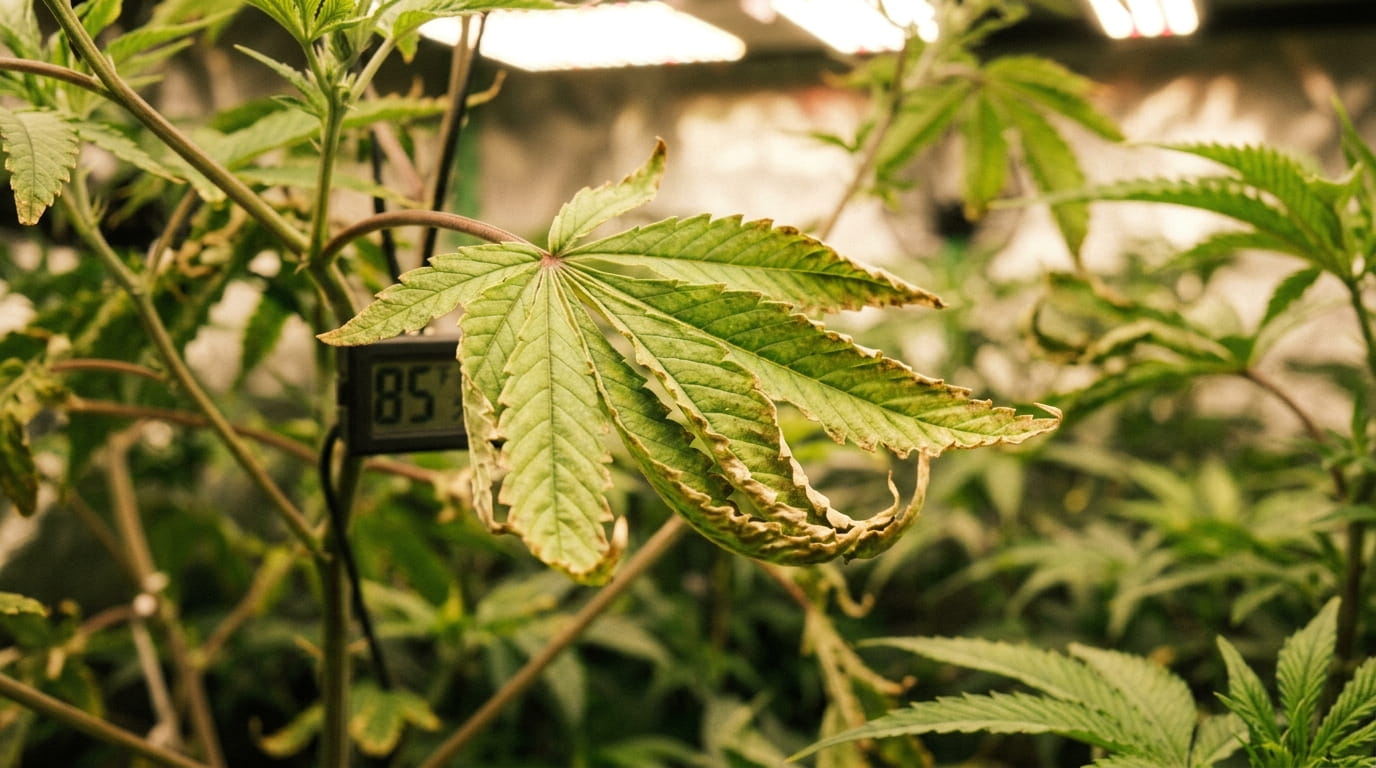
Autoflower Heat Stress: Symptoms, Causes & How to Fix It
Cannabis heat stress can slow growth, reduce flower development, and impact yields when temperatures remain too high for extended periods. For autoflower growers, managing heat stress is particularly important because autoflowers have a fixed lifecycle and limited time to recover…
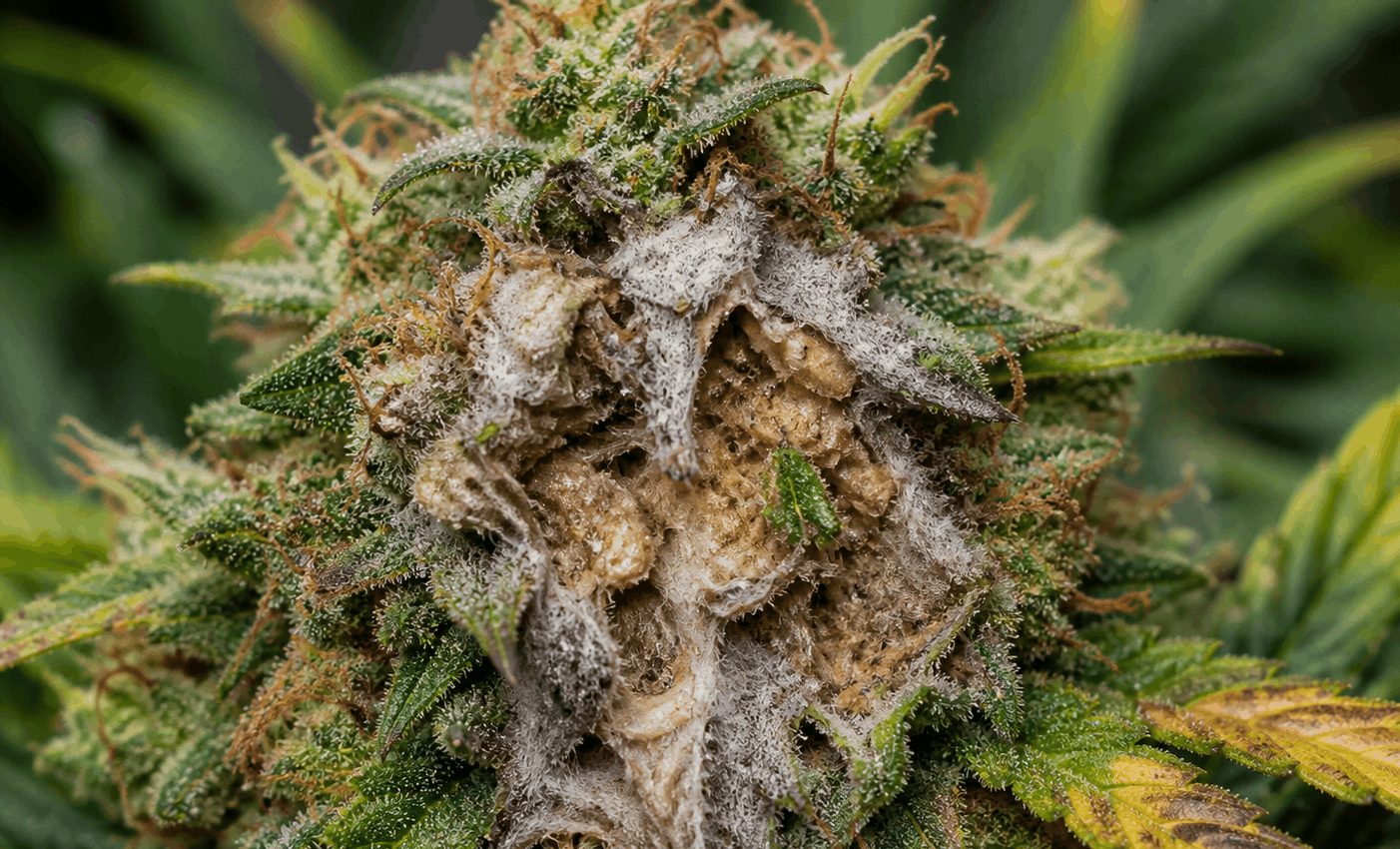
Autoflower Bud Rot: Signs, Causes, Treatment & Prevention
Autoflower bud rot is a destructive fungal disease caused by Botrytis cinerea. It develops when moisture becomes trapped inside dense buds, allowing the fungus to spread through the flower. Because infections often start deep within a cola, growers may not…
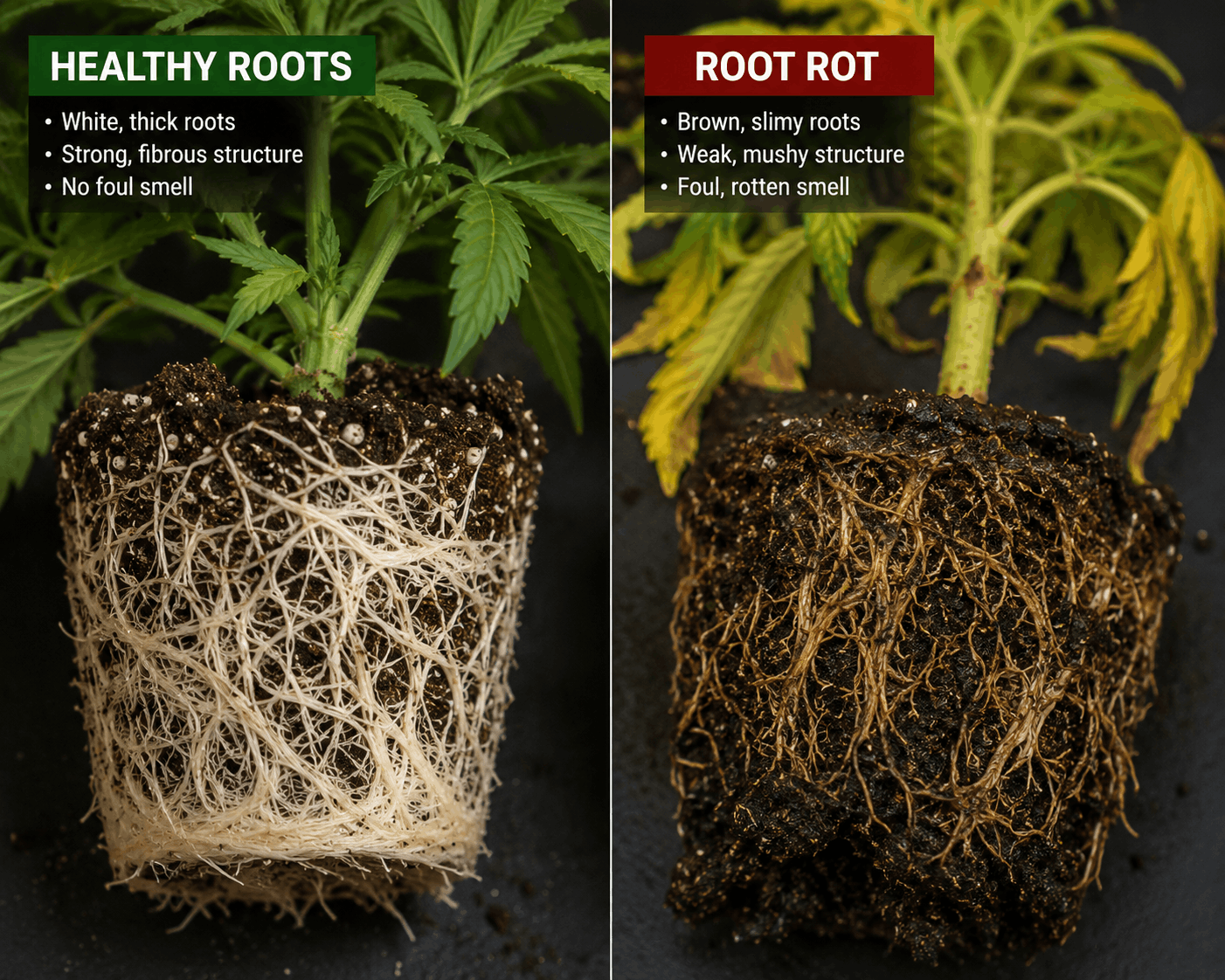
Autoflower Root Rot: Symptoms, Causes, Treatment & Prevention
Autoflower root rot is a serious disease that damages the root system and limits a plant’s ability to absorb water, nutrients, and oxygen. Often caused by Pythium, overwatering, poor drainage, or low oxygen levels, it can lead to yellowing leaves,…
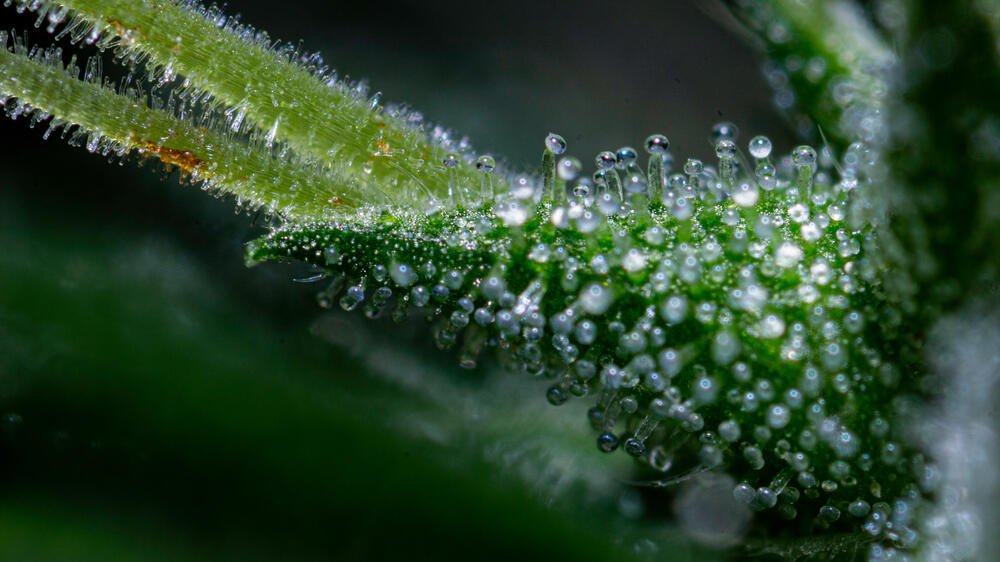
When to Harvest Autoflower Plants: A Complete Grower’s Guide
Harvesting an autoflower at the right time is essential for maximizing potency, flavor, aroma, and overall flower quality. While many growers rely on breeder timelines, these should only be used as a guide. Genetics, environmental conditions, and cultivation practices can…

What Is Cannabis Ruderalis, and Why Is It So Important to Autoflower Genetics?
When most people think about cannabis genetics, they think of Indica and Sativa. However, a third branch of the cannabis family tree has had a major impact on modern cultivation: Cannabis Ruderalis. Unlike traditional cannabis varieties, Ruderalis evolved the ability…
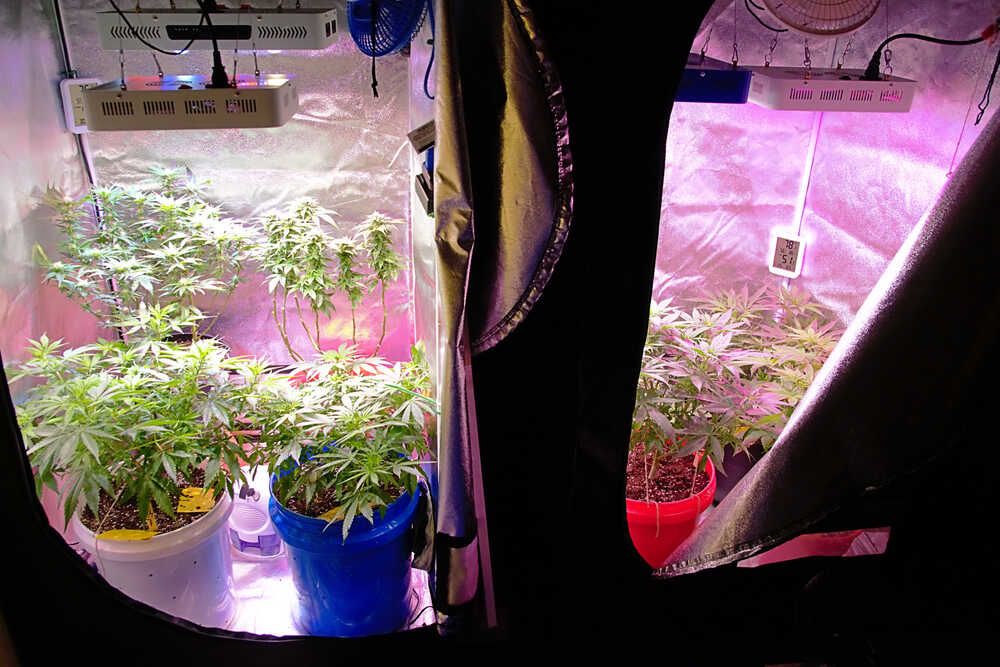
What Equipment Do You Need to Grow Autoflowers Indoors?
Growing autoflowers indoors is one of the easiest ways to produce consistent cannabis harvests while maintaining control over the growing environment. Unlike photoperiod plants, autoflowers flower automatically, making them a popular choice for beginners and growers with limited space. A…
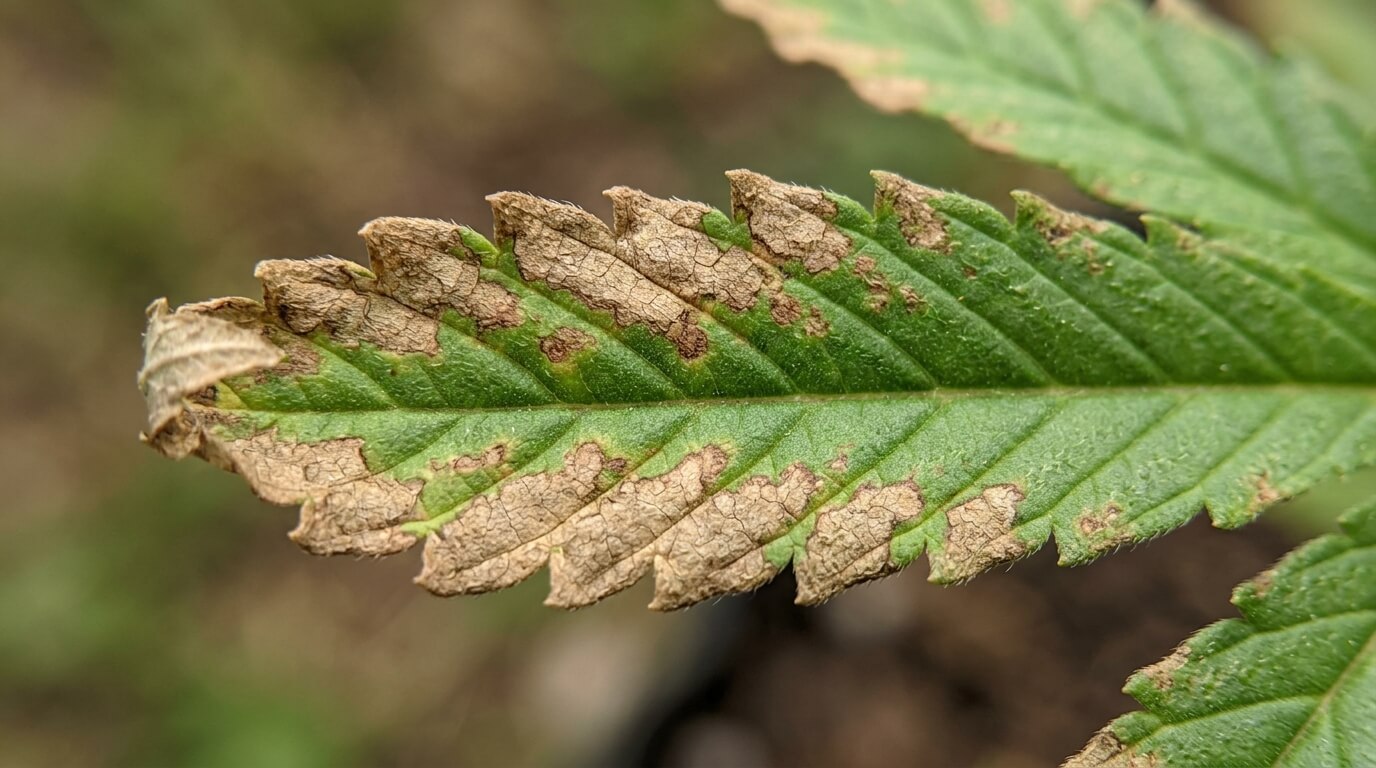
Wind Burn in Autoflowers: Symptoms, Treatment, and Prevention Guide
Wind burn is a common environmental issue in autoflower cannabis plants, particularly in grow tents and exposed outdoor grows. While airflow is essential for healthy development, excessive or poorly directed wind can damage leaves, slow growth, and reduce yields. Because…


