
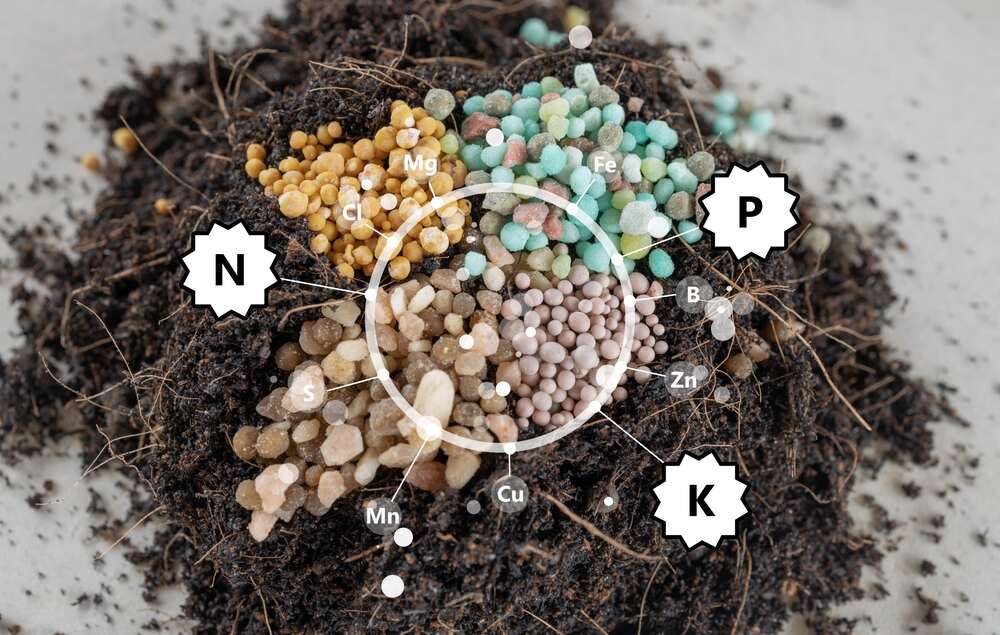
Cannabis NPK ratios explained
When growing cannabis, it is essential to have the right balance between light intensity, nutrients and temperature and humidity. As a beginner grower, it can be challenging to determine the correct NPK ratios to give your plants during their lifecycle.
In this article, I will explain what NPK is and why it is essential for plant growth and development. I will also discuss the different NPK levels you should feed your plants during various growth stages, common mistakes to avoid, and tips to help you provide optimal levels.
What Is NPK and Why It Matters in Cannabis Cultivation
If you have ever looked at the side of a liquid nutrient bottle, you will have noticed that there are three critical letters. These are NPK, and they stand for Nitrogen, Phosphorus and Potassium. These numbers will usually appear as 5-3-3 or 3-8-8, depending on the nutrient bottle.
Known as primary nutrients, these three are the most essential nutrients that a cannabis plant needs to grow from the seedling stage until harvest. Below is an explanation of what each element is and why it is an essential nutrient.
Nitrogen (N)
- A vital macronutrient required for producing green and healthy leaves.
- Nitrogen is a building block for proteins and chlorophyll.
- Used primarily during the seedling and vegetation stages (18/6).
- Produces the green pigment in plant leaves to aid in photosynthesis
- A critical nutrient for producing amino acids.
- Nitrogen is vital for producing robust plants before flowering.
- Required for stem and leaf growth and development.
Phosphorus (P)
- Phosphorus promotes healthy roots and thick stems.
- Responsible for energy storage within the plant.
- Phosphorus impacts cell division and nutrient transport.
- A vital nutrient during flower production (12/12)
- Aids in the plant’s metabolism and development.
- Bat guano is rich in Phosphorus.
Potassium (K)
- Used in combination with Phosphorus to produce flowers and buds
- An essential nutrient for stomata function and activity.
- Aids in the plant’s ability to uptake and regulate water.
- Plays a key role in photosynthesis and cell division.
- Improves stress resistance during vegetation and flowering.
- Allows plants to regulate sugar production during photosynthesis.
NPK Ratios Through the Cannabis Growth Stages
Although it may seem like a good idea to use as much NPK as cannabis when growing cannabis plants, they require different ratios at different stages. There are four growth stages, and they are covered below, as well as the recommended NPK levels, to grow the healthiest crops possible.
Seedling Stage
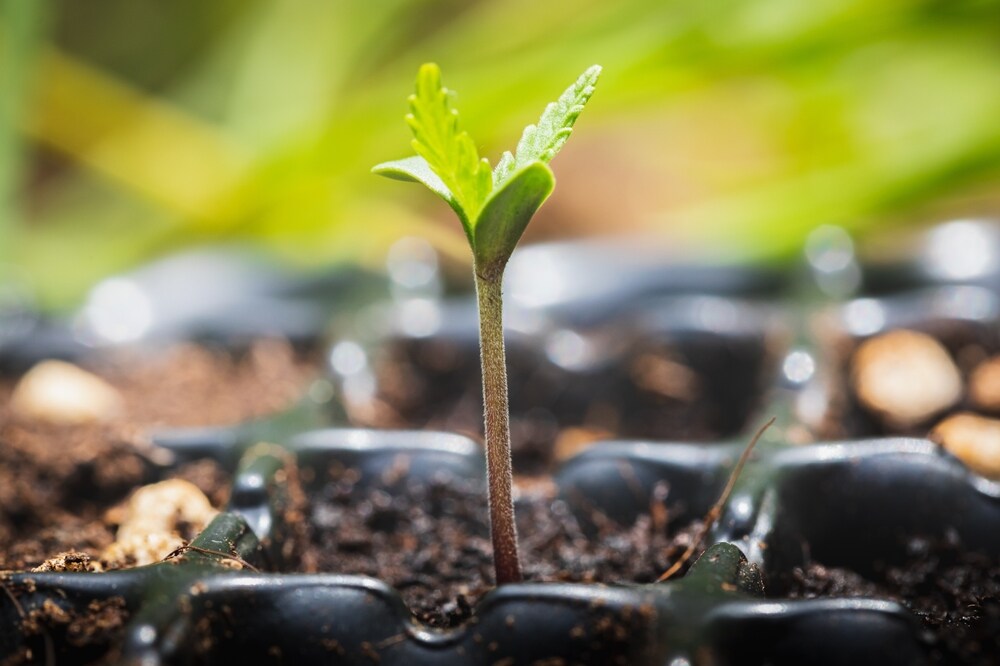
The seedling stage will last for 14 days and begins when you successfully germinate your cannabis seeds. As your seeds form a tap root, they will need to focus on establishing their roots and producing the first set of leaves, known as cotyledons and true leaves.
At this point, your plants are in a delicate state and do not demand high amounts of NPK, which is why organic potting soils are an excellent way to keep the nutrient uptake and availability well-balanced.
Vegetative Stage
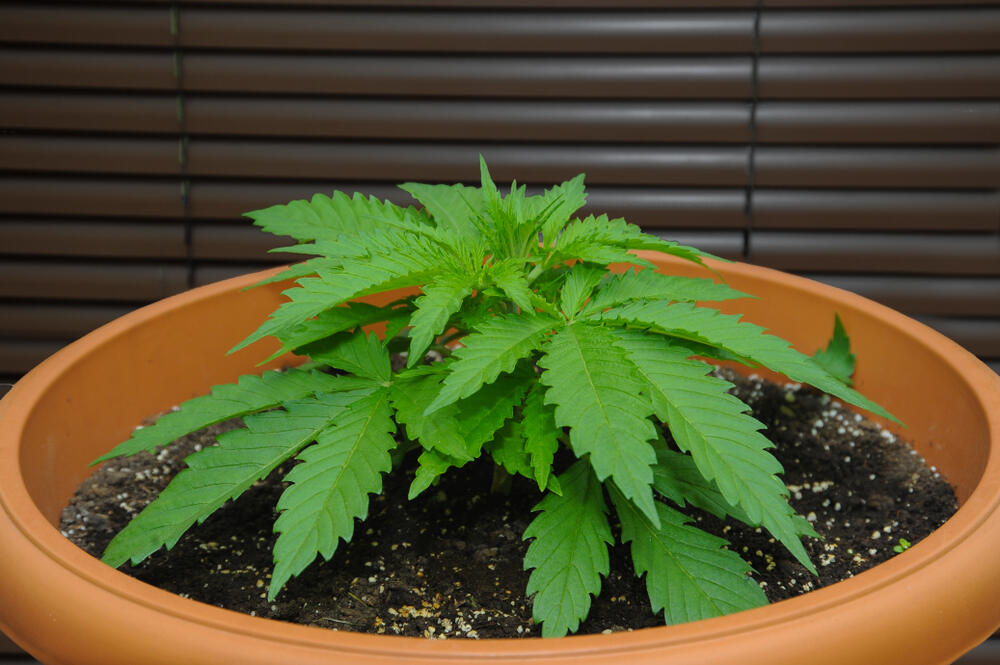
The vegetation stage is when you will notice your plants start to grow tall, produce fan leaves, side branches and focus on a thick stem. At this point, your plants are growing well and on their way to becoming bushy before the flowering stage begins.
During the vegetation stage, which can last anywhere from 2-10 weeks indoors, your plants will require higher levels of Nitrogen for photosynthesis and producing the green pigment associated with healthy leaves. Most vegetation nutrients on the market will have a ratio of 3-1-1.
Early Flowering
Once your plants have grown as tall and bushy as you want, they are now ready to be flowered under a 12/12 light cycle, meaning they will stop focusing on root growth and begin to stretch. The early flowering stage is when your plants will reveal their sex by producing pre-flowers.
Phosphorus and Potassium are crucial to promote an abundance of flowers and buds during weeks 1-5 of the flowering period. You will want to give your flowering plants a lower amount of Nitrogen, so a nutrient ratio of 1-3-2 will be optimal.
Late Flowering
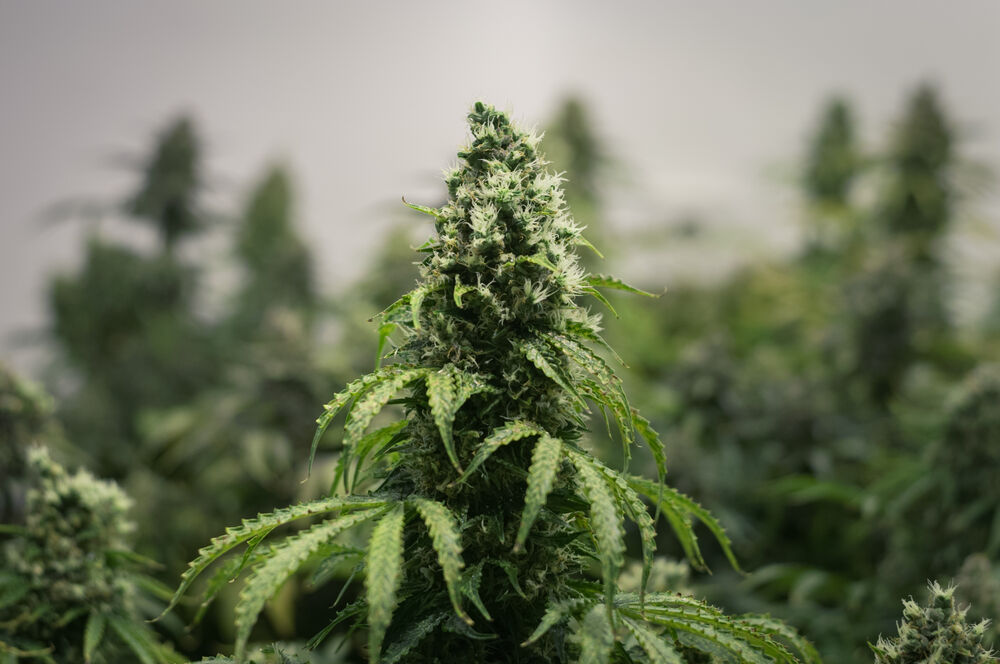
The late flowering stage will represent the final 3-4 weeks of flower production, and is easily the most exciting time for an indoor grower. Once you enter the late flowering stage, your plants will be in full flower mode with buds growing at every internode.
Your plants do not need any more Nitrogen at this crucial stage, which is why bloom booster and flowering nutrients will have a ratio such as 0-3-3 or 0-13-14 to promote dense, thick and chunky buds.
It is also essential to flush your plants during the final 2 weeks of the flowering period, as this minimises salt buildup and allows plants to use up their internal reserves. Flushing will also significantly improve the taste of your crop once harvested and dried, and washes undissolved salts away from the roots and out of the growing medium.
Adjusting NPK by Growing Method and Fertilizer Type
Suppose you have ever wandered around your local grow shop. In that case, it is easy to become overwhelmed as a beginner-level grower due to the abundance of nutrients available. You will see that some brands produce organic nutrients, whilst others produce hydroponic nutrients. Below is a breakdown of the different styles of growing and their correlation to NPK ratios when growing cannabis.
Soil vs Hydroponics
Soil is a growing medium that contains NPK and trace elements, as well as beneficial microorganisms such as bacteria and fungi, which help break down nutrients for the plants.
- Soil contains a soil food web that works in harmony with a cannabis plant’s root zone.
- Soil usually has an NPK ratio of 3-1-1 and has a buffering period.
- Organic growers will use liquid nutrients in combination with soil to increase NPK levels.
- Bat guano or molasses are often used during the flowering period.
- Organic compost teas are an excellent way to provide NPK and trace elements.
- Flushing is not required when growing with soil and can be recycled after each harvest.
- The pH levels of the soil and nutrient solution should be between 6.0 and 7.0.
Hydroponics is a style of growing cannabis without using soil, and working with an inert growing medium that contains no nutrients. Because hydroponics relies heavily on the nutrients being available in the reservoir, growers will use higher amounts of NPK compared to growing with soil.
- An NPK ratio of 3-1-2 is optimal for the vegetation period with hydroponics.
- An NPK ratio of 1-3-4 is ideal for the early flowering stage (weeks 1-5)
- An NPK ratio of 0-13-14 is preferred for the later flowering stage (weeks 5-9)
- The hydroponic system should be flushed with pH-adjusted water for the final week.
- The pH levels of a hydroponic system should be within 5.5 – 6.5.
Organic vs Synthetic Fertilisers
The reason organic and synthetic fertilisers differ is that cannabis plants absorb them differently, depending on the growing method. Organic nutrients are made from organic matter such as fish emulsion, molasses, liquid worm castings, organic compost tea, bat guano and seaweed or algae.
Organic growers using soil will have a 72-hour buffering period when growing cannabis, which means that the soil food web will take 3 days before providing the roots with the relevant nutrients and trace elements that they require.
Synthetic fertilisers are chemical-based compounds designed to be diluted in water and fed to plants within a hydroponic system, using a water pump and drip lines. In the case of a DWC system, the roots will be suspended inside a chamber where they are in contact with the nutrient solution 24 hours a day.
Using hydroponic nutrients poses a high risk for cannabis growth, as there is no buffering period. This means a cannabis plant can immediately utilise and absorb the chemical nutrients, making it a better option for beginner growers to use soil.
Autoflower Vs Photoperiod nutrient requirements
When it comes to nutrients, the type of cannabis seeds you’re growing makes a big difference. Autoflowering plants are generally smaller, grow faster, and have a shorter life cycle — which means they don’t need as many nutrients as photoperiod plants. Feeding them too heavily can cause nutrient burn or slow their growth.
Photoperiod strains, on the other hand, have a longer vegetative phase and can handle (and often benefit from) slightly stronger nutrient mixes, especially those higher in nitrogen during early growth. Always adjust your feeding schedule based on the strain type — what works perfectly for a robust photoperiod plant might overwhelm a delicate autoflower.
Common Mistakes and Advanced Considerations
Just because you have purchased the right nutrient line from your local grow shop or had it delivered online doesn’t mean you will not make common mistakes. As a first-time grower, it can be easy to overfeed or provide your plants with the wrong pH levels. Below, I highlight some mistakes to avoid to ensure you produce a well-balanced feeding regime.
Overfeeding — causes, symptoms, and prevention
Overfeeding your plants is easily one of the biggest mistakes you can make when growing indoors or outdoors, and even some well-versed growers can still overdo it. One main reason growers can overfeed their crops is the use of ‘hot soil‘, which refers to a condition characterised by high NPK ratios.
The seedling stage
Cannabis seedlings can become burnt or overfed during the first 2 weeks, causing the plants to produce pale-coloured leaves, crispy brown leaf tips, and long, elongated stems and mutated leaves.
The vegetation stage
Another common mistake a grower can make when it comes to overfeeding during the vegetation stage is to give their plants too much Nitrogen. When this happens, the plants experience Nitrogen toxicity.
- The leaves become dark green and shiny
- The ends of the leaves begin to curl downwards.
- The tips of the leaves will have a dark brown colour.
- Growers will experience tip burn due to high levels of salt in the leaf tissue.
- The fingers of the leaves can begin to curve.
- Plant growth will slow down, especially during the transition stage.
The flowering stage
It is during the flowering stage that overfed cannabis plants will be most likely to suffer. The reason is that high levels of salts will accumulate around the roots, playing a significant role in shifting pH levels.
- The leaves will show chlorosis, resulting in yellow or pale veins.
- Tip burn will be more prevalent and cause the leaf tip to become crispy.
- The stem and side branches will display red and purple colours.
- Leaves can wilt, causing the growth and development to cease and slow down.
- Fan leaves and smaller leaves will turn yellow and become brittle.
- Buds will remain small and struggle to develop.
Preventing overfeeding
If you have overfed your plants when growing in soil, then the quickest and most effective solution is to flush your plants. You should always use pH-adjusted water between 6.0 and 7.0 with organics, and allow your plants time (3-5 days to use up the nutrients and to bounce back as far as health, vitality and structure are concerned.
Suppose you are growing using hydroponics and fear that you have overfed your crop. In that case, check the nutrient solution EC levels to ensure they are not above the recommended levels, and verify that the pH levels are within 5.5 – 6.5 to prevent nutrient lockout.
Importance of pH, micronutrients, and secondary nutrients
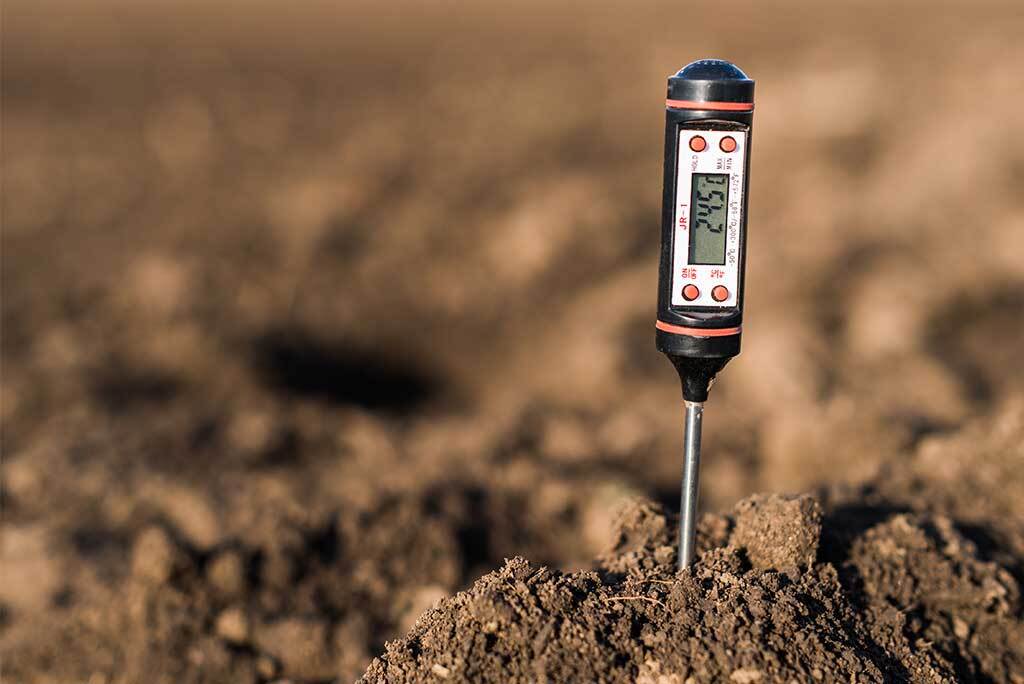
Making sure that you have the correct nutrients for the seedling, vegetation, and flowering stage is one way to grow top-quality yields; however, you should also take into consideration secondary nutrients, trace elements, and pH levels.
Secondary Nutrients
- Calcium
- Magnesium
Trace Elements
- Zinc
- Sulphur
- Iron
- Boron
- Manganese
- Copper
- Molybdenum
- Colbalt
pH Levels
- 6.0 – 7.0 for soil
- 5.5 – 6.5 for hydro
Practical Tips for Growers to Optimise NPK Management
Below are some practical tips to help you keep a well-balanced nutrient regime when feeding your cannabis plants during the different stages of growth.
Tip #1 – Follow feed charts
Most nutrient manufacturers will provide an online feeding chart to follow, which has been calculated based on the correct EC levels to use. If you do not have access to a feeding chart, then follow the directions provided on the side of the bottles.
Tip #2 – Check the EC
Using a digital EC pen is the easiest way to know the strength of your nutrient solution. During the seedling stage, aim for 0.5-0.8. For the vegetation period, target 1.2-1.8, and for the flowering period, 1.8-2.0.
Tip #3 – Check the run off
Taking a sample of the runoff solution from the base of your pots will allow you to compare the starting EC level and determine if the value is higher or lower. The runoff is a great way to see if there are salts inside the growing medium, and if you may need to flush.
Tip #4 – The correct pH
Your pH levels will dictate if your cannabis plants have access to all the nutrients they need, or will suffer from nutrient lockout and deficiencies. Use a digital pH pen when making a new nutrient solution, and check the pH of the runoff solution also.
How to read and choose fertilizer labels effectively
All you need to pay attention to are the three numbers displayed on the nutrient bottles, such as 2-5-5, 0-13-14 and so on. Nutrient companies typically develop a specific line for use at different stages of plant growth. If a nutrient bottle does not contain the NPK ratio, then be wary.
Calculating and mixing NPK ratios
The easiest way to calculate the correct NPK ratios is to base the feeding schedule and nutrient solution on the growth stage, as covered above in the article.