
Autoflower NPK ratios explained
Getting the NPK ratio right is one of the most important parts of feeding autoflower cannabis plants. Too much of the wrong nutrient can cause nutrient burn, stunted growth, or poor flower development, while the right balance helps plants stay healthy from seedling to harvest.
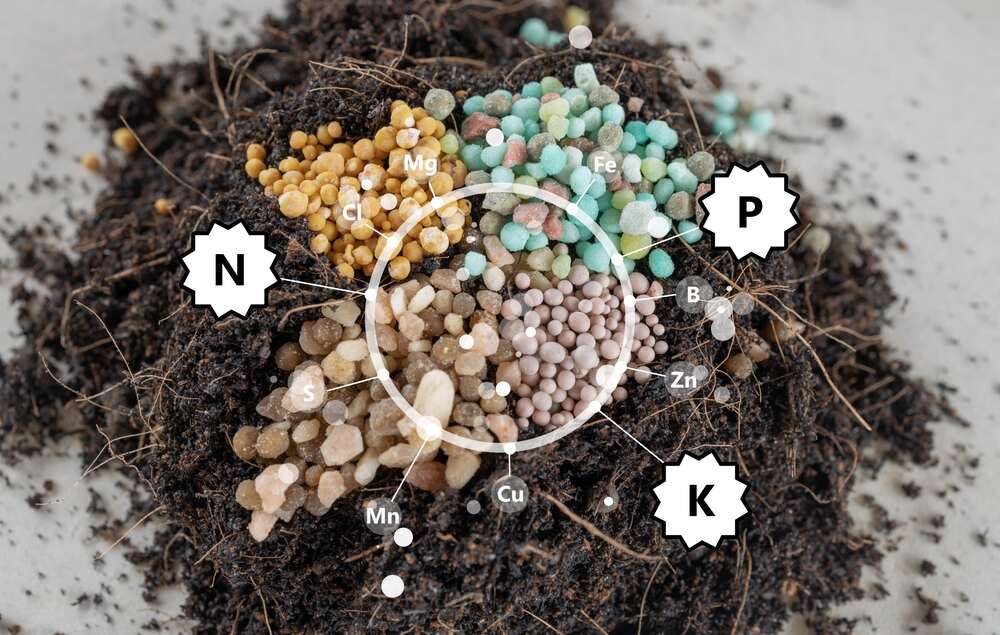
NPK stands for Nitrogen (N), Phosphorus (P), and Potassium (K) — the three primary nutrients cannabis plants need throughout their lifecycle. Because autoflowers have a shorter life cycle and are often lighter feeders than photoperiod strains, providing the right nutrient balance throughout each stage of growth is essential.
In this guide, you’ll learn what NPK means, the best NPK ratios for autoflowers during each growth stage, common feeding mistakes to avoid, and how to provide the nutrients your plants need for healthy growth and productive harvests.
What Is NPK and Why It Matters in Cannabis Cultivation
If you have ever looked at the side of a liquid nutrient bottle, you will have noticed that there are three critical letters. These are NPK (Nitrogen, Phosphorus and Potassium) and will usually appear as 2-1-2, 2-1-1, 1-2-2 or 0-3-3, depending on the growth stage and nutrient product being used.
Known as primary nutrients, these three are the most essential nutrients that autoflowering cannabis plants need from seedling to harvest. Because autoflowers have a shorter life cycle and lighter feeding requirements than photoperiod strains, maintaining the correct NPK ratio throughout each stage of growth is essential. Below is an explanation of what each element is and why it is an essential nutrient.
Nitrogen (N)
- A vital macronutrient required for producing green and healthy leaves.
- Nitrogen is a building block for proteins and chlorophyll.
- Used primarily during the seedling and vegetation stages.
- Produces the green pigment in plant leaves to aid in photosynthesis.
- A critical nutrient for producing amino acids.
- Nitrogen is vital for producing robust plants before flowering.
- Required for stem and leaf growth and development.
Phosphorus (P)
- Phosphorus promotes healthy roots and thick stems.
- Responsible for energy storage within the plant.
- Phosphorus impacts cell division and nutrient transport.
- A vital nutrient during flower production.
- Aids in the plant’s metabolism and development.
- Bat guano is rich in Phosphorus.
Potassium (K)
- Used in combination with Phosphorus to produce flowers and buds.
- An essential nutrient for stomata function and activity.
- Aids in the plant’s ability to uptake and regulate water.
- Plays a key role in photosynthesis and cell division.
- Improves stress resistance during vegetation and flowering.
- Allows plants to regulate sugar production during photosynthesis.
One mistake many new autoflower growers make is feeding their plants the same amount of nutrients as a large photoperiod plant. While autoflowers need the same balance of Nitrogen (N), Phosphorus (P), and Potassium (K) at each stage of growth, they usually need much lower nutrient concentrations.
As an autoflower breeder, I always recommend starting with less nutrients than the manufacturer suggests. In most cases, around one-third to one-half of the recommended dose is plenty for healthy autoflower plants.
For example, if a vegetative nutrient has an NPK ratio of 3-1-1 and the manufacturer recommends:
- Nitrogen (N): 90ml
- Phosphorus (P): 30ml
- Potassium (K): 30ml
An autoflower grower might start with:
- Nitrogen (N): 30ml
- Phosphorus (P): 10ml
- Potassium (K): 10ml
Notice that the 3-1-1 ratio stays exactly the same. The only difference is that the total amount of nutrients has been reduced to suit the smaller size and lower feeding requirements of autoflowering plants.
In my experience, it is always easier to correct a slight nutrient deficiency than it is to fix nutrient burn caused by overfeeding. If you are unsure, start with less and gradually increase the feed strength only if your plants show they need it.
Autoflower NPK Ratios Through Each Growth Stage
Cannabis plants require different nutrient ratios at different stages of growth, and autoflowers are no exception. There are four growth stages, and they are covered below, as well as the recommended NPK levels, to grow the healthiest crops possible.
Seedling Stage
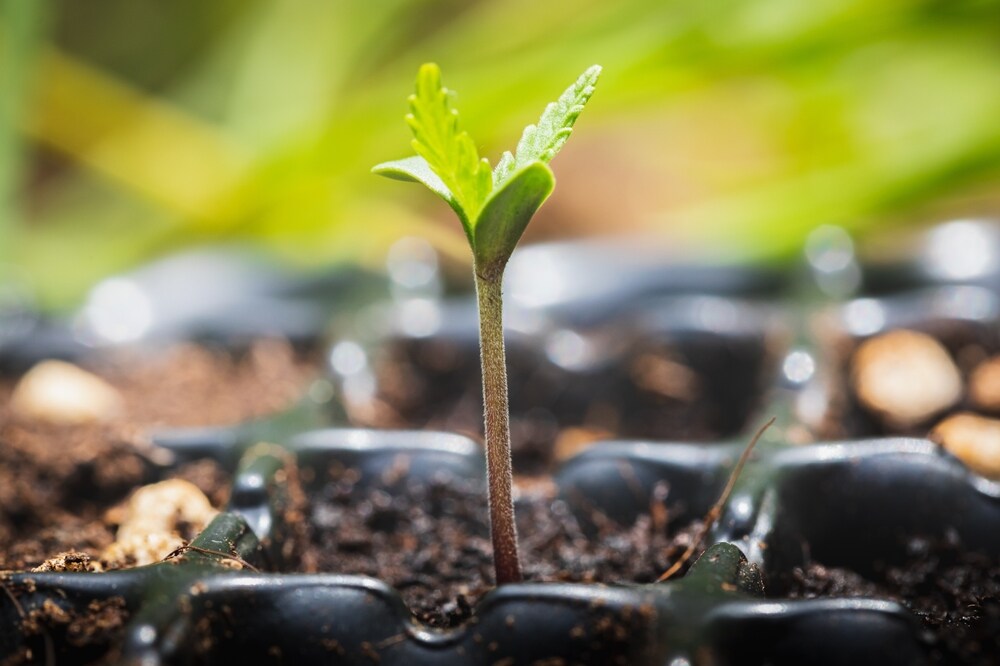
The seedling stage will last for approximately 10–14 days and begins when you successfully germinate your autoflower cannabis seeds. As your seeds form a tap root, they will need to focus on establishing their roots and producing the first set of leaves, known as cotyledons and true leaves.
At this point, your plants are in a delicate state and do not demand high amounts of NPK, which is why organic potting soils are an excellent way to keep nutrient uptake and availability well-balanced. A light NPK ratio of around 2-1-2 is typically sufficient during this stage.
Vegetative Stage
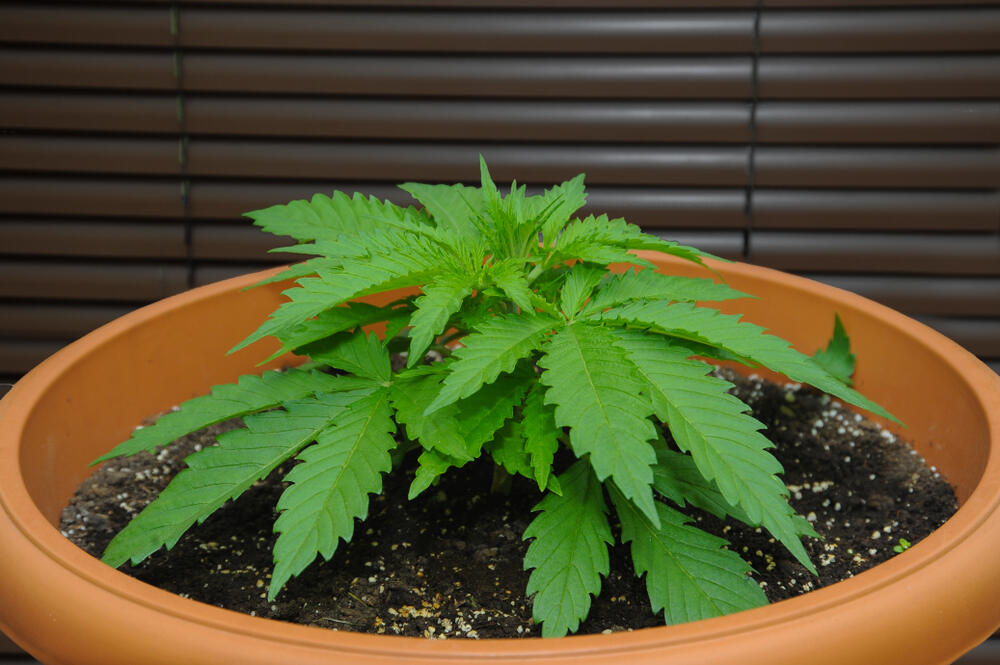
The vegetative stage is when your autoflower will begin growing rapidly, producing fan leaves, side branches, and a thicker stem. This stage is crucial because it lays the foundation for the plant’s final size and yield potential before flowering begins automatically.
Unlike photoperiod cannabis plants, which can remain in the vegetative stage for as long as the grower chooses, autoflowers typically spend only 2–4 weeks in vegetative growth before transitioning into flowering. Because this growth window is so short, nutrient deficiencies, overfeeding, or environmental stress can have a greater impact on the plant’s overall development.
During this stage, autoflowers require higher levels of Nitrogen to support leaf production, photosynthesis, and healthy vegetative growth, especially when growing high-yield autoflower strains that need a strong foundation before flowering. Most growers use a vegetative nutrient with a higher Nitrogen content, commonly around a 2-1-1 or 3-1-1 NPK ratio, while feeding at a lower strength than they would with photoperiod plants to avoid nutrient burn.
Early Flowering
As autoflower plants mature, they will automatically transition into flowering regardless of the light schedule. During the early flowering stage, your plants will begin to stretch, produce pre-flowers, and shift their energy away from vegetative growth towards flower development.
This is when nutrient requirements start to change. Nitrogen is still important for supporting healthy growth and leaf production, but the demand for Phosphorus and Potassium increases as the plant begins forming bud sites and preparing for heavy flower production.
Many growers gradually reduce Nitrogen levels and increase Phosphorus and Potassium during the first few weeks of flowering. Nutrient ratios around 1-2-2 or 1-3-2 are commonly used, although the ideal balance will depend on the cultivar, growing method, and nutrient line being used.
Late Flowering
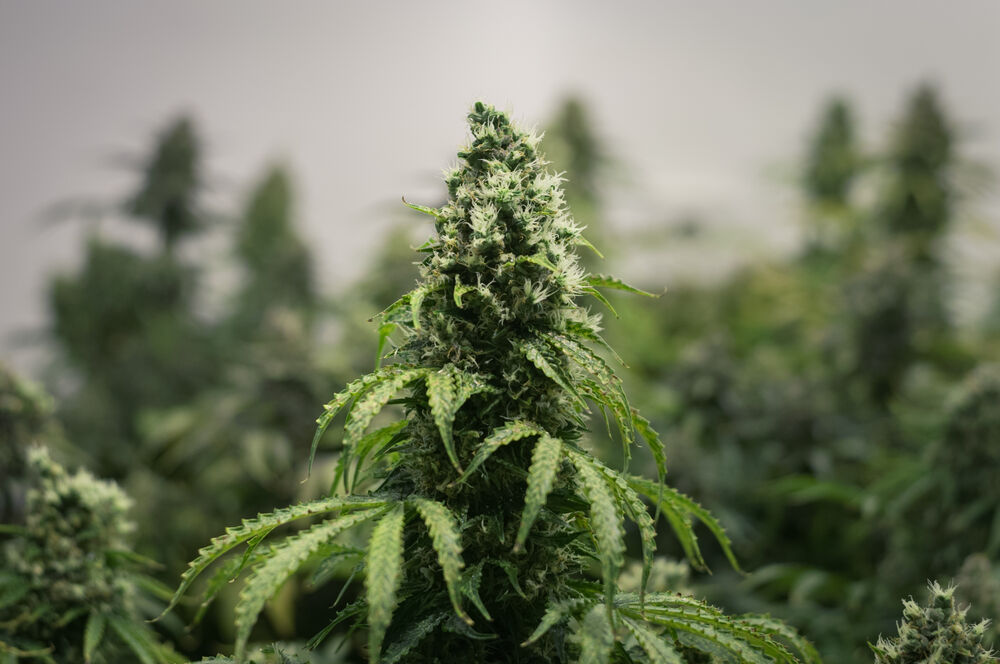
The late flowering stage represents the final 3–4 weeks before harvest and is often the most rewarding part of the growing cycle. During this stage, autoflowers focus their energy on developing and ripening flowers, with buds increasing in size, density, and resin production.
As flowering progresses, the plant’s demand for Nitrogen decreases while the demand for Phosphorus and Potassium remains relatively high, which is particularly important when cultivating high THC autoflower strains. For this reason, many bloom nutrients contain lower levels of Nitrogen and higher levels of Phosphorus and Potassium to support flower development. Ratios such as 0-3-3 are commonly used during late flowering, although the ideal nutrient balance will vary depending on the cultivar, growing method, and nutrient line being used.
Because autoflowers are generally lighter feeders than photoperiod plants, avoid overusing bloom boosters and monitor your plants closely for signs of nutrient stress. Excessive feeding during late flower can lead to nutrient buildup in the growing medium and may affect overall plant health. Many growers choose to gradually reduce nutrient levels or feed plain water during the final 1–2 weeks before harvest, a process often referred to as flushing autoflowers. This can help minimise salt buildup within the growing medium and encourage plants to use their remaining nutrient reserves before harvest
| Week | Growth Stage | Typical NPK Ratio | Feed Strength |
| 1 | Seedling | 2-1-2 | 25% |
| 2 | Seedling/Early Veg | 2-1-2 | 25–50% |
| 3 | Vegetative | 2-1-1 | 50% |
| 4 | Vegetative | 3-1-1 | 50–75% |
| 5 | Early Flower | 1-2-2 | 50–75% |
| 6 | Flower | 1-3-2 | 75% |
| 7 | Flower | 1-3-2 | 75–100% |
| 8 | Late Flower | 0-3-3 | 50–75% |
| 9–10 | Ripening | Water or reduced feed | Minimal |
Adjusting NPK by Growing Method and Fertilizer Type
Suppose you have ever wandered around your local grow shop. In that case, it is easy to become overwhelmed as a beginner-level grower due to the abundance of nutrients available. You will see that some brands produce organic nutrients, whilst others produce hydroponic nutrients. Below is a breakdown of the different styles of growing and their correlation to NPK ratios when growing cannabis.
Soil vs Hydroponics
If you have ever wandered around your local grow shop, it is easy to become overwhelmed as a beginner grower due to the abundance of nutrients available. Some brands produce organic nutrients, whilst others specialise in hydroponic nutrients. When growing autoflower cannabis plants, understanding how your growing method influences nutrient availability is essential, as autoflowers typically require lighter feeding than photoperiod strains.
Soil vs Hydroponics
Soil is a growing medium that contains organic matter, trace elements and beneficial microorganisms such as bacteria and fungi, which help break down nutrients for outdoor autoflower plants.
- Soil contains a soil food web that works in harmony with an autoflower plant’s root zone.
- Autoflowers grown in soil generally require lower nutrient levels than those grown hydroponically.
- Organic growers often use liquid nutrients alongside soil to supplement NPK levels when required.
- Bat guano and molasses are commonly used during flowering.
- Organic compost teas are an excellent way to provide NPK and trace elements.
- Many living soil growers simply reduce feeding towards harvest rather than flushing.
- The pH levels of the soil and nutrient solution should be between 6.0 and 7.0.
Hydroponics is a method of growing autoflower cannabis without soil, using an inert growing medium that contains little or no nutrition. Because hydroponic systems rely entirely on nutrients delivered through the reservoir, growers must carefully manage NPK levels throughout the plant’s lifecycle.
- An NPK ratio of around 2-1-1 is commonly used during the vegetative stage.
- An NPK ratio of approximately 1-2-2 works well during early flowering.
- An NPK ratio of around 0-3-3 is often suitable during late flowering.
- Hydroponic systems are commonly flushed or fed plain pH-adjusted water during the final week before harvest.
- The pH levels of a hydroponic system should remain between 5.5 and 6.5.
- Autoflowers grown hydroponically often require lower EC levels than photoperiod varieties to avoid nutrient burn.
| Factor | Soil | Hydroponics |
| pH Range | 6.0–7.0 | 5.5–6.5 |
| Nutrient Availability | Slow release | Immediate uptake |
| Feeding Frequency | Lower | Higher |
| Risk of Nutrient Burn | Lower | Higher |
| Suitable for Beginners | Yes | Moderate |
| Flushing Practices | Optional | Common |
Organic vs Synthetic Fertilisers
Organic and synthetic fertilisers differ in how nutrients become available to autoflower plants. Organic nutrients are derived from natural sources such as fish emulsion, molasses, liquid worm castings, compost tea, bat guano, seaweed and algae.
Organic growers using soil benefit from a natural buffering effect, where soil microorganisms gradually break down organic matter and make nutrients available to the roots over time. This slower release can help reduce the risk of overfeeding autoflower plants.
Synthetic fertilisers are mineral-based nutrients designed to be mixed with water and delivered directly to the root zone. In hydroponic systems such as DWC, the roots remain in constant contact with the nutrient solution, allowing plants to absorb nutrients immediately.
Because there is little buffering in hydroponic systems, growers must monitor pH and EC levels carefully. Whilst hydroponics can produce excellent results with autoflowers, soil is often considered the more forgiving option for beginners due to its greater margin for error.
Common Mistakes and Advanced Considerations
Just because you have purchased the right nutrient line from your local grow shop or had it delivered online doesn’t mean you will not make common mistakes. As a first-time grower, it can be easy to overfeed or provide your plants with the wrong pH levels. Below, I highlight some mistakes to avoid to ensure you produce a well-balanced feeding regime.
Overfeeding — causes, symptoms, and prevention
Overfeeding your plants is easily one of the biggest mistakes you can make when growing autoflowers indoors or outdoors. One main reason growers can overfeed their crops is the use of ‘hot soil’, which refers to a growing medium that is too nutrient-rich or heavily amended for young autoflower plants.
The seedling stage
Autoflower seedlings can become burnt or overfed during the first 10-14 days, causing the plants to produce pale-coloured leaves, crispy brown leaf tips and distorted new growth.
The vegetation stage
Another common mistake a grower can make during the short autoflower vegetation stage is giving plants too much Nitrogen. When this happens, the plants can experience Nitrogen toxicity.
- The leaves become dark green and shiny
- The ends of the leaves begin to curl downwards.
- The tips of the leaves will have a dark brown colour.
- Growers will experience tip burn due to high levels of salt in the leaf tissue.
- The fingers of the leaves can begin to curve.
- Plant growth will slow down, especially during the transition stage.
The flowering stage
It is during the flowering stage that overfed autoflower cannabis plants will be most likely to suffer. The reason is that high levels of salts will accumulate around the roots, playing a significant role in shifting pH levels.
- The leaves will show chlorosis, resulting in yellow or pale veins.
- Tip burn will be more prevalent and cause the leaf tip to become crispy.
- Leaves can wilt, causing the growth and development to cease and slow down.
- Fan leaves and smaller leaves will turn yellow and become brittle.
- Buds will remain small and struggle to develop.
Preventing overfeeding
If you have overfed your plants when growing in soil, flushing with pH-adjusted water is one commonly used method for reducing excess nutrients within the growing medium. You should always use pH-adjusted water between 6.0 and 7.0 with organics, and allow your plants time (3-5 days to use up the nutrients and to bounce back as far as health, vitality and structure are concerned.
Suppose you are growing using hydroponics and fear that you have overfed your crop. In that case, check the nutrient solution EC levels to ensure they are not above the recommended levels, and verify that the pH levels are within 5.5 – 6.5 to prevent nutrient lockout.
Importance of pH, micronutrients, and secondary nutrients
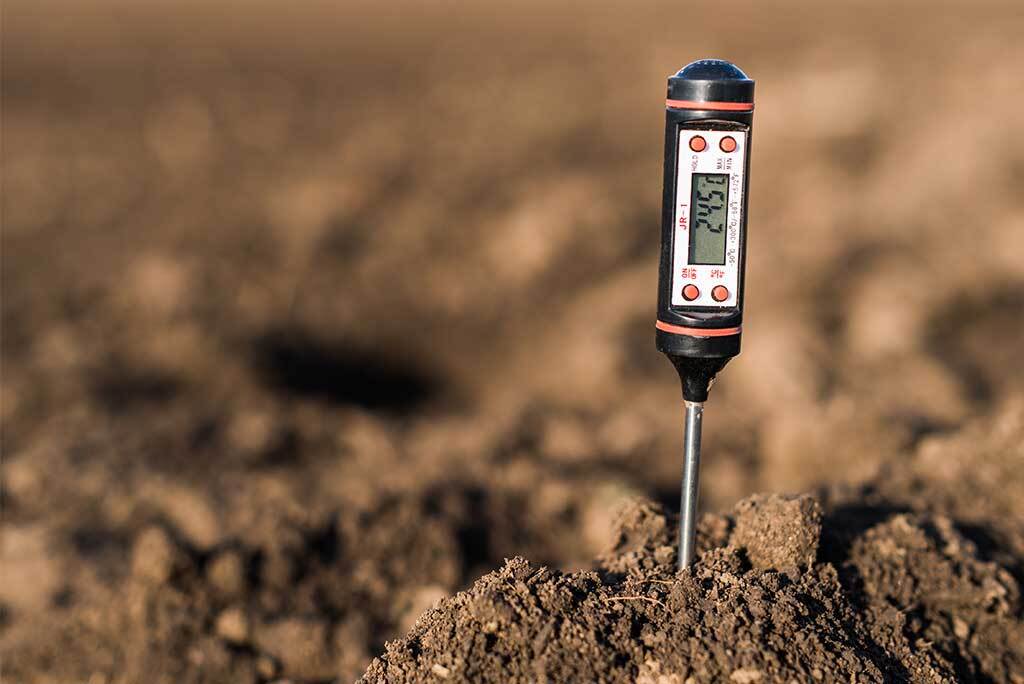
Making sure that you have the correct nutrients for the seedling, vegetation, and flowering stage is one way to grow top-quality yields; however, you should also take into consideration secondary nutrients, trace elements, and pH levels.
Secondary Nutrients
- Calcium
- Magnesium
Trace Elements
- Zinc
- Sulphur
- Iron
- Boron
- Manganese
- Copper
- Molybdenum
- Cobalt
pH Levels
| Growing Method | Ideal pH Range |
| Soil | 6.0–7.0 |
| Coco Coir | 5.8–6.2 |
| DWC | 5.5–6.2 |
| Hydroponics | 5.5–6.5 |
Practical Tips for Growers to Optimise NPK Management
Below are some practical tips to help you keep a well-balanced nutrient regime when feeding your cannabis plants during the different stages of growth.
Tip #1 – Follow feed charts
Most nutrient manufacturers will provide an online feeding chart to follow, which has been calculated based on the correct EC levels to use. If you do not have access to a feeding chart, then follow the directions provided on the side of the bottles.
Tip #2 – Check the EC
Using a digital EC pen is the easiest way to monitor the strength of your nutrient solution.
Recommended EC ranges for autoflowers are:
- Seedling stage: 0.4–0.8 EC
- Vegetative stage: 0.8–1.4 EC
- Flowering stage: 1.2–1.8 EC
Remember that different autoflower cultivars may require slightly higher or lower feeding levels depending on their genetics and growing environment.
Tip #3 – Check the run off
Taking a sample of the runoff solution from the base of your pots will allow you to compare the starting EC level and determine if the value is higher or lower. The runoff is a great way to see if there are salts inside the growing medium, and if you may need to flush.
Tip #4 – The correct pH
Your pH levels will dictate if your cannabis plants have access to all the nutrients they need, or will suffer from nutrient lockout and deficiencies. Use a digital pH pen when making a new nutrient solution, and check the pH of the runoff solution also.
How to read and choose fertilizer labels effectively
When selecting nutrients for autoflower plants, pay attention to the NPK ratio displayed on the bottle, along with any information regarding Calcium, Magnesium and trace elements.
Common examples include:
- 2-1-1 for vegetative growth
- 1-2-2 for early flowering
- 0-3-3 for late flowering
Nutrient companies typically develop specific products for different growth stages. If a nutrient bottle does not clearly display its nutrient analysis, proceed with caution and research the product before use.
Frequently Asked Questions About Autoflower NPK Ratios
What is the best NPK ratio for autoflowers?
The best NPK ratio for autoflowers depends on the stage of growth. Seedlings typically perform well with a ratio of around 2-1-2, while vegetative plants often require 2-1-1 to 3-1-1. During early flowering, many growers use ratios such as 1-2-2 or 1-3-2 before transitioning to 0-3-3 during late flowering.
Do autoflowers need less nutrients than photoperiod plants?
Yes. Autoflower cannabis plants are generally lighter feeders than photoperiod strains due to their smaller size and shorter lifecycle. Many experienced growers start with one-third to one-half of the nutrient manufacturer’s recommended feeding strength and increase gradually if needed.
What NPK ratio is best during flowering?
Most growers reduce nitrogen and increase phosphorus and potassium during flowering. Ratios around 1-2-2 or 1-3-2 are commonly used during early flowering, while 0-3-3 is often suitable during late flowering when plants focus on bud development and ripening.
Can you overfeed autoflowers?
Yes. Autoflowers are particularly sensitive to overfeeding, especially when grown in nutrient-rich soils or fed at full-strength nutrient doses. Common symptoms include nutrient burn, leaf tip damage, dark green foliage, and reduced growth.
What pH is best for autoflowers?
For soil-grown autoflowers, aim for a pH range between 6.0 and 7.0. In hydroponic systems, maintaining a pH between 5.5 and 6.5 helps ensure optimal nutrient uptake and reduces the risk of nutrient lockout.