
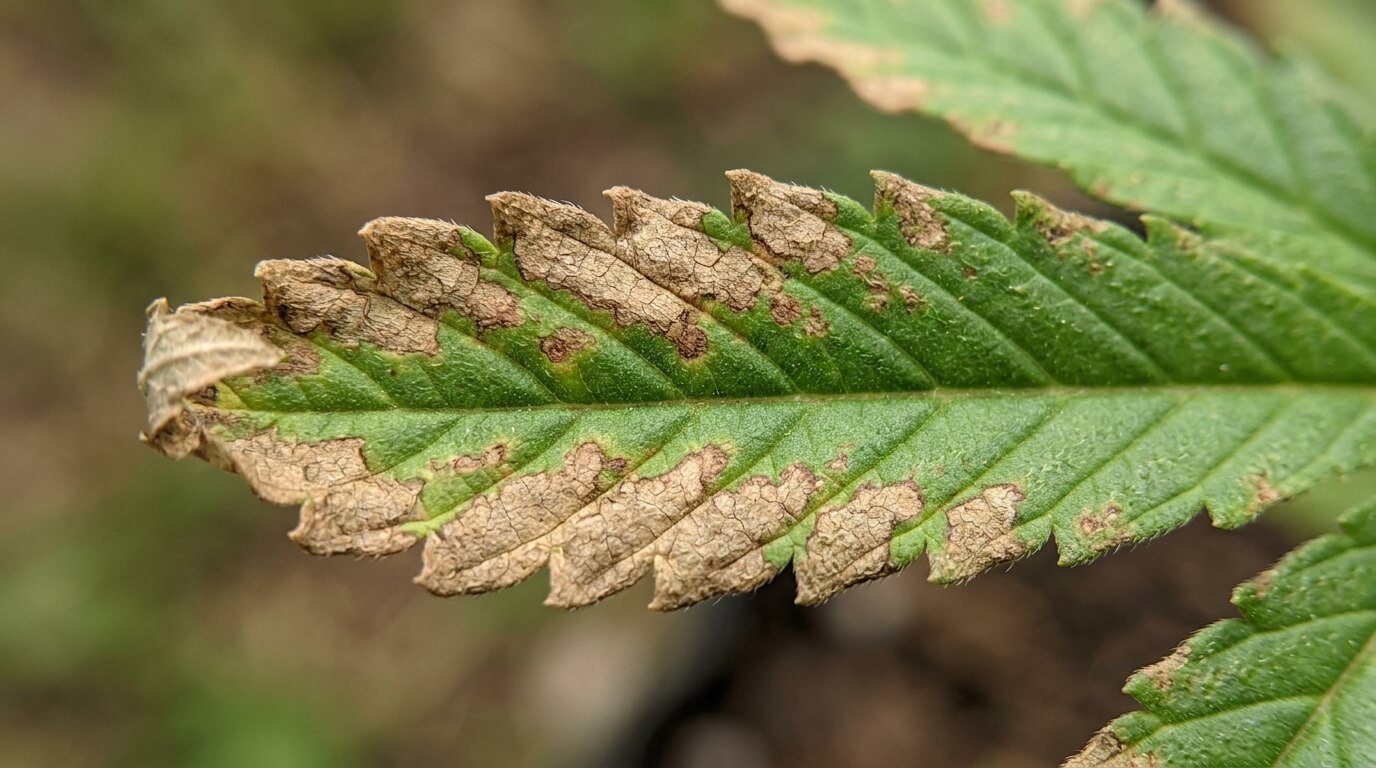
Wind Burn in Autoflowers: Symptoms, Treatment, and Prevention Guide
Wind burn is a common environmental issue in autoflower cannabis plants, particularly in grow tents and exposed outdoor grows. While airflow is essential for healthy development, excessive or poorly directed wind can damage leaves, slow growth, and reduce yields. Because autoflowers have a fixed life cycle, they have less time to recover from stress than photoperiod plants.
Early signs of wind burn include curled leaves, dry or crispy edges, and unusual leaf movement. These symptoms are often mistaken for nutrient deficiencies or heat stress, making accurate diagnosis important. If left unchecked, prolonged wind exposure can stunt growth and negatively affect bud development.
The good news is that wind burn is both preventable and treatable when caught early. Simple adjustments to fan placement, airflow, or plant protection can stop further damage and support recovery.
In this guide, you’ll learn how to identify wind burn in autoflowers, tell it apart from similar problems, treat affected plants, and prevent airflow-related stress from impacting future harvests.
Article Insights
- Wind burn is caused by excessive or direct airflow, often from fans placed too close to cannabis plants.
- Symptoms usually appear on the side facing the wind and include leaf curling, dryness, and browning edges.
- Mild wind burn can stabilize within a few days once airflow is corrected, but damaged leaves often do not fully recover.
- Persistent wind burn can slow growth and lead to smaller, less dense buds over time.
- Gentle, indirect airflow that causes slight leaf movement is generally ideal for healthy cannabis growth.
What Is Wind Burn on Autoflower Cannabis and What Causes It?
Wind burn is a form of environmental stress caused by excessive or poorly directed airflow. Unlike nutrient deficiencies, pests, or plant diseases, wind burn is mechanical damage that occurs when cannabis leaves are exposed to constant wind pressure for extended periods.
For autoflower cannabis plants, wind burn can be especially problematic. Because autoflowers have a short vegetative stage and limited recovery time, environmental stress can have a greater impact on overall growth and final yield compared to photoperiod plants.
Excessive airflow increases transpiration, causing leaves to lose moisture faster than the plant can replace it. Over time, this leads to dehydration, tissue damage, and reduced photosynthetic efficiency. Early signs are usually curled leaf edges, clawing leaves, and dry or crispy tips, particularly on the side of the plant facing the airflow source. These symptoms are often confused with nutrient burn in cannabis plants during the early stages.
How Wind Burn Affects Autoflower Cannabis Plants
One of the first things I look for when diagnosing wind burn in autoflowers is unusual leaf movement and deformation. Healthy leaves should sit open and flat to maximize light absorption. When airflow becomes too aggressive, leaves begin curling, twisting, or clawing as the plant attempts to reduce moisture loss.
This stress affects more than appearance. Damaged leaves become less efficient at photosynthesis, reducing the energy available for growth and flower development. This is especially important when growing high yield autoflower seeds, where maintaining vigorous vegetative growth has a direct impact on final harvest size.
I’ve seen this happen more than once with fans that seemed harmless at first. The plants may only show a little leaf curl in the beginning, but after a week or two they often start falling behind others growing in the same room. By early flower, the difference is usually much easier to spot, with stressed plants developing a smaller canopy and fewer bud sites.
How Much Airflow Do Autoflowers Need?
Autoflowers thrive with gentle, consistent air circulation that strengthens stems without placing constant pressure on leaves. Proper airflow becomes even more important when growing larger super autoflower strains, which often develop dense canopies that benefit from good air movement.
In my grow space, I use a simple rule: leaves should lightly sway, not bend or flap.
Healthy airflow should:
- Create gentle movement across the entire canopy
- Prevent stagnant pockets of air
- Help regulate temperature and humidity
- Strengthen stems without stressing foliage
Too little airflow can increase the risk of mold, mildew, and pest problems. Too much airflow can dehydrate leaves and cause wind burn. The goal is balanced air circulation that supports healthy growth throughout the plant’s life cycle.
Common Causes of Wind Burn in Autoflower Grows
Indoor autoflowers are most commonly affected by poor fan placement. Grow tents often have limited space, making it easy for fans to create concentrated airflow that continuously strikes the same area of the plant.
Outdoor autoflowers face a different challenge. Strong prevailing winds, exposed grow sites, and a lack of natural windbreaks can all lead to leaf damage and growth stress.
The most common causes of autoflower wind burn include:
- Fans positioned too close to plants
- High-speed fans aimed directly at the canopy
- Non-oscillating fans creating constant airflow pressure
- Wind tunnels inside grow tents
- Outdoor grow sites with little protection from strong winds
- Young autoflower seedlings exposed to excessive airflow
Because autoflowers have less time to recover from stress than photoperiod plants, identifying and correcting airflow issues early is one of the easiest ways to protect growth and maximize yields.
What Does Wind Burn Look Like on Cannabis Leaves?
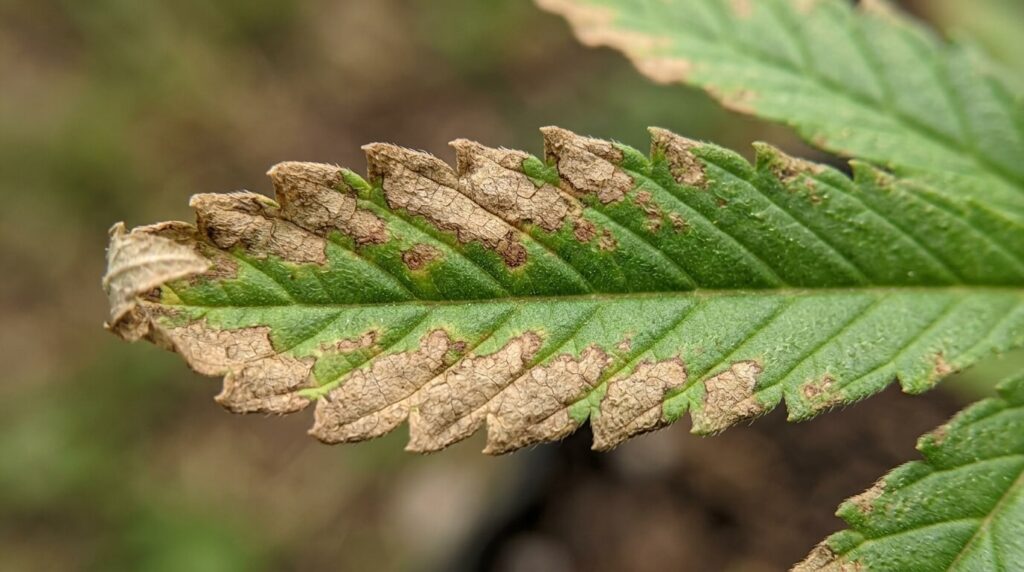
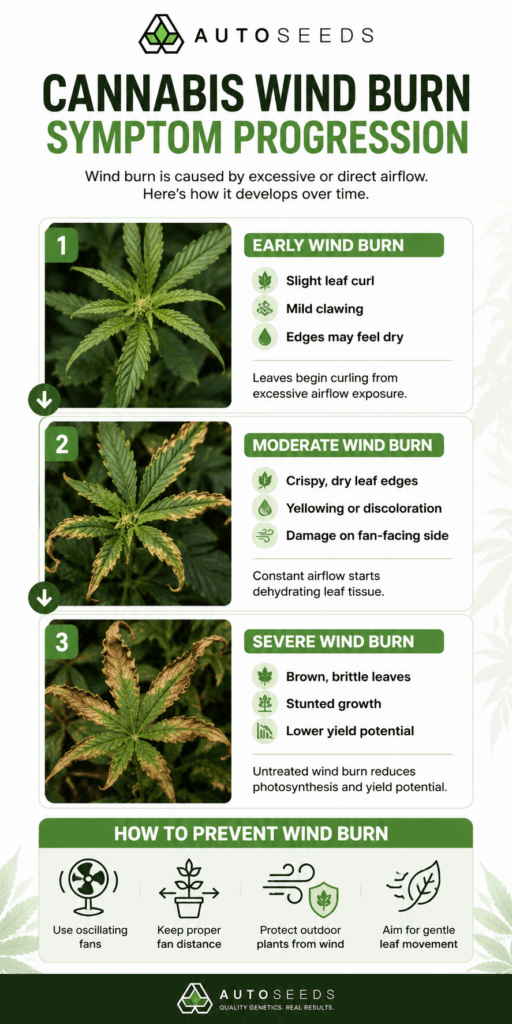
Wind burn has a distinct appearance once you know what to look for. It often starts subtly, then becomes more pronounced as the stress continues.
| Stage | Symptoms | Recovery |
| Early | Slight curl, dry edges | Fast |
| Moderate | Crispy tips, yellowing | Good |
| Severe | Brown brittle leaves | Partial |
Early cannabis wind burn symptoms: curling, clawing, and leaf edge damage
In autoflowers, early symptom detection is especially important because the plants have less time to recover from stress before flowering begins. This curling response helps reduce leaf surface exposure and slow moisture loss caused by excessive airflow. The leaves may also claw downward, which can look similar to nitrogen toxicity at first glance.
I always check airflow first when I see:
- Slight leaf curl upward or downward
- Edges that look dry or tight
- Leaves that appear “wind-swept”
This stage is reversible if you act quickly.
Advanced symptoms of weed wind burn: browning, dryness, and brittle leaves
If wind burn continues, the damage becomes more severe. Leaves begin to dry out and develop brown, crispy edges. In some cases, entire sections of the leaf die off.
This is where the plant starts losing efficiency. The damaged leaves cannot recover fully, and the plant diverts energy to survival instead of growth.
You may see:
- Brown or yellow leaf tips
- Dry, papery texture
- Brittle leaves that snap easily
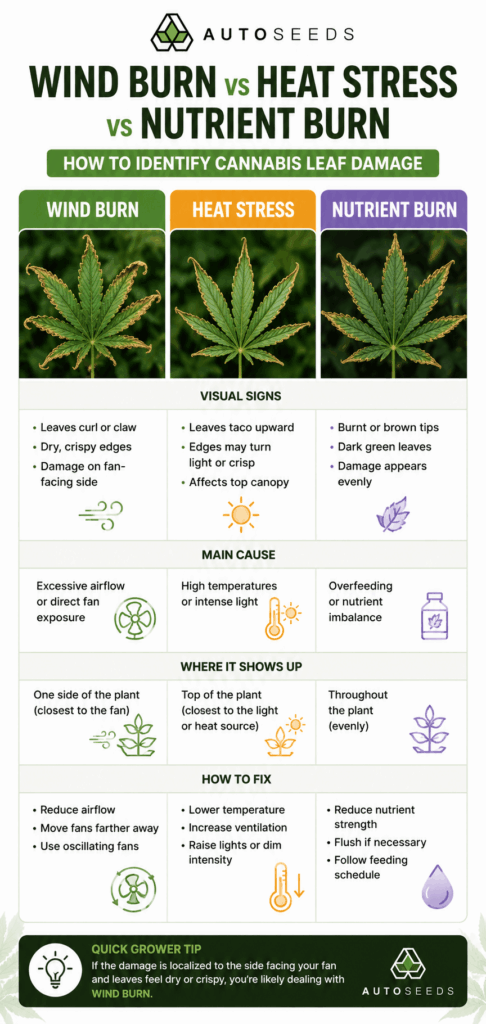
How to distinguish wind burn cannabis plant damage from nutrient burn or heat stress
This is where wind burn is often misdiagnosed. Wind burn, nutrient burn, and heat stress can look similar, but there are key differences.
Wind burn usually affects the side of the plant facing the fan. Nutrient burn appears more evenly across the plant, while nutrient lockout in cannabis can create similar discoloration patterns that often confuse growers. Heat stress often causes leaves to taco upward, while wind burn creates irregular curling and dryness.
I always ask myself three questions:
- Is the damage localized to one area?
- Is there a fan or wind source nearby?
- Are environmental conditions otherwise stable?
If the answer points to airflow, you are likely dealing with cannabis wind burn.
When troubleshooting grower reports, one of the quickest checks is to reduce or redirect airflow for 24–48 hours. Nutrient deficiencies rarely stop progressing that quickly, but wind-burn symptoms often stabilize almost immediately once the airflow issue has been corrected.
| Issue | Main Sign | Difference |
| Wind Burn | Curling + dry edges | One side near fan |
| Nutrient Burn | Burnt leaf tips | Even across plant |
| Heat Stress | Taco leaves | Top canopy affected |
| Light Stress | Bleached leaves | Closest to light |
Symptoms of Autoflower Wind Burn and How Long They Last
Wind burn symptoms do not usually appear overnight. In most autoflower grows, the damage develops gradually, beginning with subtle leaf changes before progressing to more serious growth and yield issues.
One thing I have learned from growing autoflowers is that symptom location often tells you more than symptom severity. When wind burn is the cause, the leaves receiving the strongest airflow typically show damage first. If one side of the plant looks noticeably worse than the other, environmental stress is often the first thing I investigate.
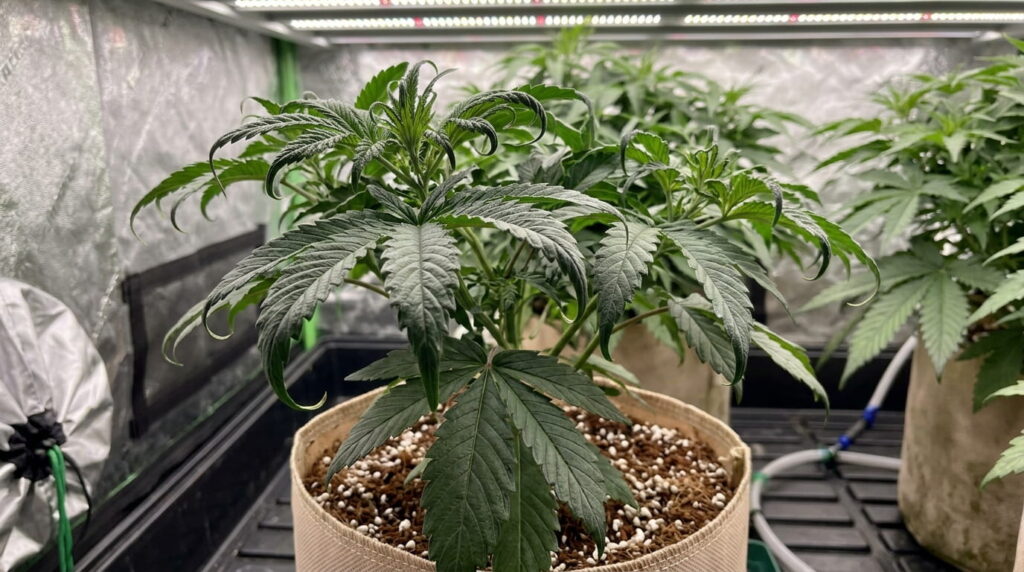
Clawing leaves
Leaf clawing is often one of the earliest signs of wind burn in autoflowers. Healthy leaves normally sit open and flat to capture light efficiently. When exposed to excessive airflow, the leaf tips begin curling downward, creating the hooked appearance growers commonly call clawing.
Unlike nutrient-related clawing, wind burn usually affects specific areas of the plant rather than appearing evenly throughout the canopy. Similar symptoms can also occur in overwatered cannabis plants, making environmental diagnosis important. I see this most often in grow tents where a stationary fan continuously pushes air across the same leaves.
When caught early, clawing is usually reversible. Once airflow is corrected, healthy new growth often appears within a few days.
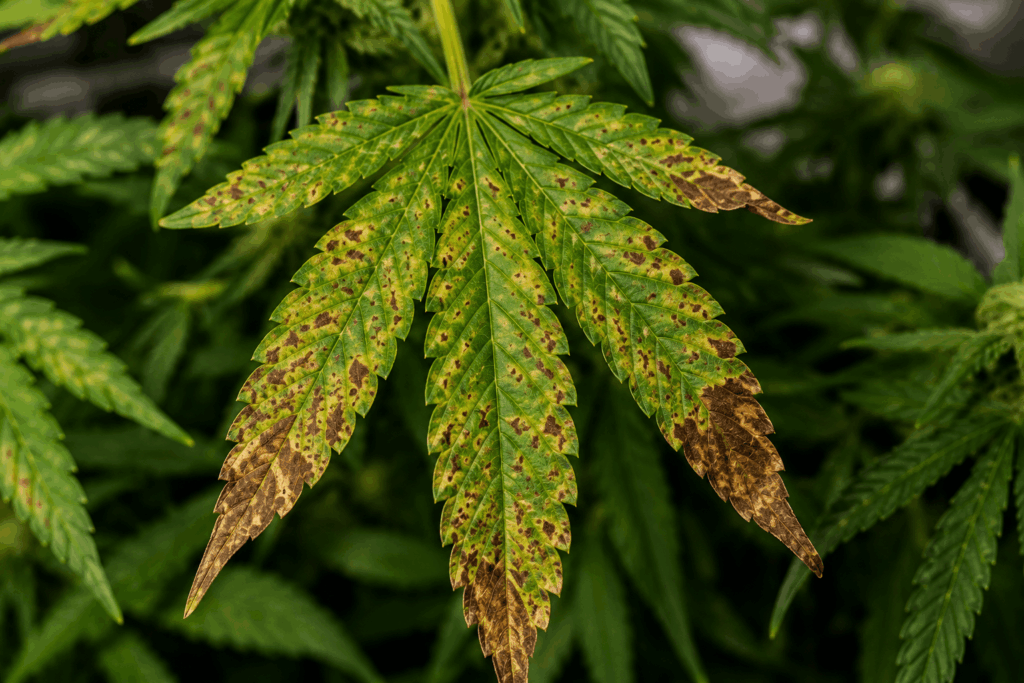
Yellow, brown, and bronze spots on leaves
As wind exposure continues, affected leaves may develop discoloured patches ranging from pale yellow to bronze or light brown.
This is one of the most commonly misdiagnosed symptoms because it can resemble nutrient deficiencies or pH-related issues. The difference is usually in the pattern. Nutrient problems often spread throughout the plant, while wind burn tends to affect leaves directly exposed to airflow.
When diagnosing autoflowers, I compare leaves from different sides of the plant. If damage is concentrated near a fan or wind source, airflow is usually the culprit.
Burnt leaves
If the problem remains unresolved, leaf damage becomes more severe. The edges begin drying out, turning brown, and developing a brittle texture.
At this stage, the affected tissue will not recover. However, that does not mean the plant is beyond saving. What matters most is whether new growth continues to develop normally after environmental conditions are corrected.
I rarely remove mildly damaged leaves immediately. Unless they are heavily deteriorated, they can still contribute to the plant’s overall energy production.
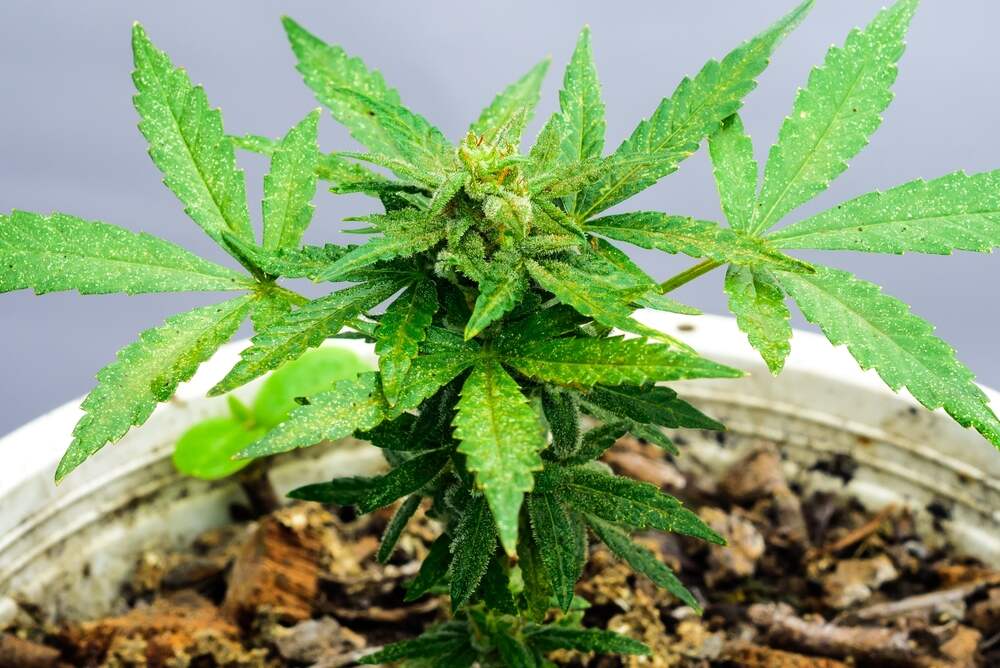
Stunted Growth in Autoflowers
Growth reduction is where wind burn becomes more serious for autoflower growers.
Autoflowers operate on a fixed life cycle. Unlike photoperiod plants, they cannot simply remain in the vegetative stage longer to recover from stress. Lost growth during early development often translates directly into a smaller final plant.
Signs of stunted growth may include:
- Reduced vertical growth
- Smaller fan leaves
- Less branch development
- Reduced canopy size
In my experience, autoflowers that experience prolonged stress during early growth rarely reach the same size as healthy plants grown under stable conditions.
During cultivar testing, I’ve consistently found that airflow-related stress during the first two to three weeks from sprout causes far more long-term damage than similar stress later in flower. Once an autoflower loses momentum during early vegetative growth, it rarely reaches the same size or yield potential as unstressed plants from the same seed batch.
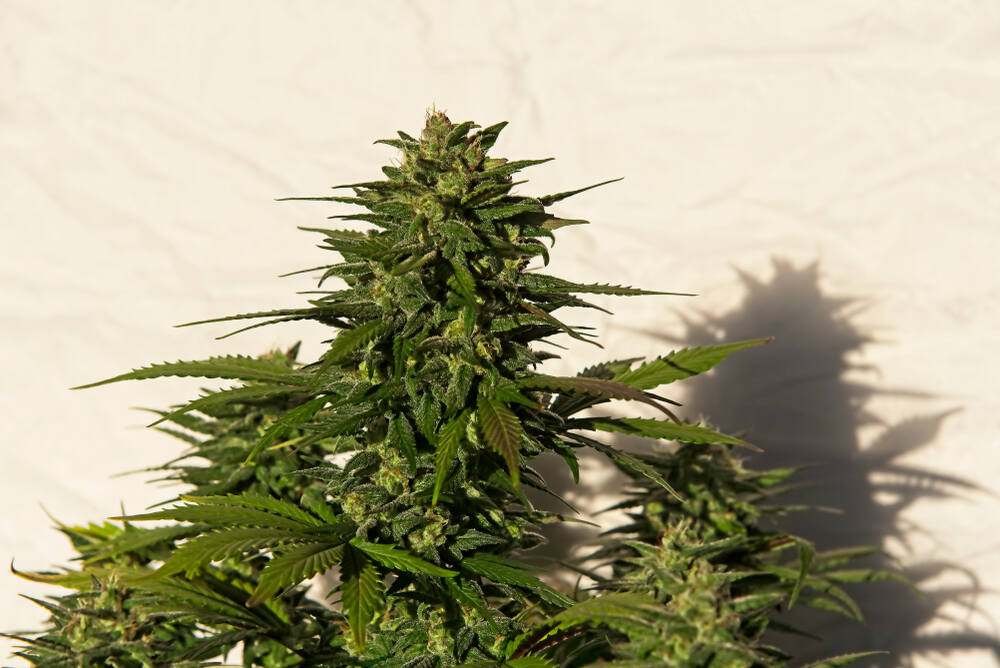
Smaller Buds and Lower Yield
Wind burn does not just affect leaves. Over time, it can influence flower production and harvest quality.
When significant leaf damage accumulates, the plant has fewer healthy surfaces available to support bud development. This can result in smaller flowers, reduced density, and lower resin production.
Growth setbacks during early development often become visible at harvest, where affected plants may produce fewer flowering sites, lighter buds, and reduced overall yield compared to healthy plants grown under stable conditions.
This is why many growers underestimate the true cost of wind burn. The most noticeable losses often appear weeks after the original damage occurred. When you get it right, your plants grow stronger. When you get it wrong, the damage adds up quickly.
How Long Does Wind Burn Last on Autoflowers?
Recovery depends largely on how quickly the issue is corrected.
Mild cases often stop progressing within 24 hours of adjusting airflow. While damaged leaves may remain marked, healthy new growth can appear within several days.
| Time After Correction | Typical Response |
| 24 Hours | Damage stops worsening |
| 2–3 Days | Healthy new growth appears |
| 1 Week | Growth rate improves |
| 2 Weeks | Plant stabilizes and recovers |
When evaluating recovery, I focus on new growth rather than old damage. Existing leaf burn rarely disappears, but healthy new leaves indicate that the plant is no longer under stress.
Long-Term Effects of Untreated Wind Burn
If left unchecked, wind burn can gradually reduce plant performance throughout the grow cycle.
For autoflowers, the consequences are often more noticeable because there is less time to compensate for lost growth before harvest.
Potential long-term effects include:
- Smaller plants
- Reduced bud density
- Slower flower development
- Lower overall plant vigor
- Decreased overall yield
Severe or prolonged stress can also indirectly affect flower quality by reducing overall plant performance throughout the grow cycle.
This is why I consider symptom recognition just as important as prevention. The earlier wind burn is identified, the easier it is to correct before it affects the size, quality, and productivity of an autoflower crop.
How to Treat Wind Burn on Autoflowers
Treating wind burn in autoflowers is usually straightforward once the source of stress has been identified. The goal is not to repair damaged leaves but to stop further damage and help the plant return to normal growth as quickly as possible.
Because autoflowers have a fixed life cycle, recovery time matters. The sooner environmental stress is corrected, the more opportunity the plant has to continue healthy vegetative growth and flower development.
Step 1: Remove the Source of Stress
The first step is always to eliminate the airflow causing the problem.
In my grows, I start by reducing fan speed, increasing the distance between the fan and the canopy, or redirecting airflow away from the affected area. Oscillating fans are usually the safest option because they prevent constant pressure on a single section of the plant.
| Adjustment | Why It Helps |
| Reduce fan speed | Lowers leaf stress and moisture loss |
| Increase fan distance | Prevents concentrated airflow |
| Use oscillating fans | Distributes airflow evenly |
| Redirect airflow | Eliminates direct leaf exposure |
Once airflow is corrected, damage should stop progressing within 24 hours.
Step 2: Check for Structural Damage
Young autoflowers can occasionally suffer stem damage when exposed to strong fans or outdoor winds.
If a stem bends or snaps, I treat it immediately. Cannabis is surprisingly resilient, and minor breaks often heal successfully when supported correctly.
To repair a damaged stem:
- Gently align the stem back into its original position.
- Secure it using plant tape, grafting tape, or a soft tie.
- Add a stake or support if necessary.
- Leave the repair in place for several days.
In many cases, the stem heals within a week and develops a stronger support structure around the damaged area.
Step 3: Support Recovery Without Overcorrecting
One of the biggest mistakes growers make after discovering wind burn is changing too many variables at once.
When I correct a wind burn issue, I avoid immediately adjusting nutrients, watering schedules, light intensity, and environmental settings all at the same time. Making multiple changes makes it difficult to determine what is actually helping the plant recover.
Instead, I focus on stability.
Recovery is usually best supported by:
- Consistent watering practices
- Stable temperature and humidity levels
- Normal feeding schedules
- Avoiding unnecessary stress
Wind burn is an environmental issue, not a nutrient problem. Increasing nutrient strength rarely helps and can sometimes create additional stress for an already struggling plant.
When reviewing customer grow reports, one of the most common mistakes is assuming wind burn is a nutrient problem. Many growers increase feed strength after seeing damaged leaves, only to create a second issue that makes diagnosis more difficult. In most cases, correcting airflow and maintaining stable conditions produces better results than changing the feeding program.
Step 4: Monitor New Growth
The best way to judge recovery is by watching new growth.
Damaged leaves may remain curled, discoloured, or burnt for the rest of the grow cycle. This is normal. What matters is whether newly emerging leaves appear healthy.
Signs that an autoflower is recovering include:
- New leaves develop normally
- No new leaf damage appears
- Growth rate begins improving
- Branch development resumes
- Flower sites continue expanding
I always pay more attention to the newest growth than the oldest damaged leaves. Healthy new growth is usually the clearest indication that the plant has recovered.
I also pay attention to leaf posture during recovery. Healthy new leaves usually emerge broad, relaxed, and level with the canopy. If new growth continues curling or twisting after airflow has been corrected, another environmental issue may still be contributing to the symptoms.
Step 5: Avoid Common Recovery Mistakes
After correcting airflow, patience is often the most effective treatment.
Common mistakes that can slow recovery include:
| Mistake | Why It Causes Problems |
| Increasing nutrient strength | Can create nutrient stress |
| Heavy defoliation | Removes valuable leaf surface |
| Frequent environmental changes | Prevents plant stabilisation |
| Continuing direct airflow | Causes ongoing damage |
I am especially cautious about removing damaged leaves from autoflowers. Unless a leaf is completely dead, it can still contribute to the plant’s energy production. Since autoflowers have limited time to replace lost foliage, preserving healthy leaf mass is often the better option.
How Long Does Recovery Take?
Recovery speed depends on how early the problem is corrected and how severe the damage becomes.
| Severity | Expected Recovery Time |
| Mild | 2–5 days |
| Moderate | 1–2 weeks |
| Severe | Several weeks with permanent damage |
Most autoflowers recover surprisingly well once airflow is corrected. While damaged leaves rarely return to normal, healthy new growth can continue developing and support a productive harvest.
The key is acting early. In my experience, autoflowers that receive prompt treatment often suffer little long-term impact, while plants exposed to ongoing wind stress are far more likely to experience stunted growth and reduced yields later in the grow cycle.
Preventing Wind Burn in Autoflowers: Why Prevention Matters
Preventing wind burn is far easier than treating it after damage occurs. This is especially true for autoflowers, which have a limited life cycle and less time to recover from environmental stress than photoperiod plants.
In my experience, most cases of wind burn are preventable. The key is creating an environment where airflow supports healthy growth without constantly stressing leaves and stems. Rather than waiting for symptoms to appear, I focus on building preventative habits into my grow routine from the beginning.
Protecting Autoflower Seedlings from Wind Burn
The highest-risk stage for wind burn is often the seedling phase.
Young autoflowers have small root systems, delicate stems, and limited leaf mass. While airflow is still important for preventing stagnant conditions, excessive wind can quickly overwhelm young plants.
During the first two weeks after germination, I keep airflow gentle and indirect. My goal is to create slight movement in the surrounding air rather than direct movement of the seedling itself.
Good seedling airflow practices include:
- Positioning fans away from young plants
- Using lower fan speeds during early growth
- Avoiding direct airflow at soil level
- Gradually increasing airflow as plants mature
A common mistake among new growers is treating seedlings and mature plants the same way. Autoflower seedlings require a more gradual introduction to airflow while they establish healthy roots and stems.
Designing a Grow Tent to Prevent Wind Burn
Preventing wind burn starts with the overall airflow design of the grow space. A properly planned cannabis grow room ventilation setup helps maintain consistent airflow throughout the canopy.
Rather than focusing on a single fan, I think about how air moves through the entire tent. The goal is to create even circulation throughout the canopy without creating areas of concentrated airflow.
A well-designed grow tent should provide:
| Area | Objective |
| Intake airflow | Introduce fresh air evenly |
| Canopy airflow | Maintain gentle leaf movement |
| Exhaust airflow | Remove heat and humidity |
| Plant spacing | Prevent crowded airflow patterns |
I also avoid placing autoflowers too close together. As plants grow, dense canopies can create uneven airflow patterns that make some plants more vulnerable to environmental stress than others.
Choosing the Right Outdoor Location
While weather cannot be controlled, site selection has a major influence on how much wind exposure plants receive.
When selecting a location for outdoor autoflowers, I pay close attention to wind exposure throughout the day. A site that looks calm in the morning may experience strong afternoon winds that repeatedly stress plants.
Features that help reduce wind exposure include:
- Fences
- Hedges
- Companion plants
- Natural terrain barriers
- Windbreak netting
The best outdoor locations provide good airflow without exposing plants to constant, unprotected wind.
Selecting Autoflower Genetics for Windy Conditions
Genetics can also influence how well a plant handles environmental stress.
When growing in exposed outdoor environments, I generally prefer compact outdoor autoflower strains with sturdy branching and strong structural development. These plants often handle changing weather conditions more effectively than larger or more vigorous varieties that can become vulnerable to wind damage.
During outdoor autoflower evaluations, I’ve found that structural traits often matter more than plant size when dealing with windy conditions. Plants with shorter internodal spacing and stronger lateral branching generally hold up better than taller, more open-structured varieties exposed to the same weather. While airflow stress can affect any cultivar, sturdy plant architecture tends to reduce the risk of physical damage throughout the season.
While no strain is completely immune to environmental stress, selecting genetics suited to your climate can make prevention much easier throughout the growing season.
Daily Habits That Help Prevent Wind Burn
One of the most effective prevention tools is regular observation.
I make a habit of checking leaf movement each day, especially after adjusting fans, moving plants, or changing environmental equipment.
Healthy airflow should create gentle movement rather than constant fluttering or bending.
A simple daily inspection can help identify problems before visible damage develops.
| Daily Check | What to Look For |
| Leaf movement | Gentle swaying, not aggressive shaking |
| Canopy edges | No leaves receiving direct airflow |
| Fan position | Consistent placement and coverage |
| Plant posture | Upright stems and relaxed leaves |
Most airflow issues can be corrected long before they impact growth if they are identified early.
Prevention Checklist for Autoflower Growers
Before symptoms appear, I recommend regularly reviewing the following:
- Airflow reaches all areas of the canopy evenly
- Seedlings are protected from direct airflow
- Fans are not constantly blowing on a single plant
- Outdoor plants have adequate wind protection
- Plant spacing allows for balanced air circulation
- Genetics are suited to the growing environment
- Daily plant inspections are part of the grow routine
Preventing wind burn is ultimately about consistency. Small adjustments made early are far easier than recovering from avoidable stress later. For autoflower growers, prevention is particularly important because every stage of growth contributes directly to final yield, making environmental stability one of the most valuable tools for achieving healthy plants and productive harvests.
Frequently Asked Questions
Can Autoflowers Recover From Wind Burn?
Yes, autoflowers can recover from mild to moderate wind burn if the airflow issue is corrected quickly. While damaged leaves may not return to normal, healthy new growth should begin appearing within a few days. Recovery is most successful when the stress is addressed early before it affects overall plant development.
Are Autoflowers More Sensitive to Wind Burn Than Photoperiod Plants?
Autoflowers are not necessarily more sensitive to wind burn, but they often have less time to recover from environmental stress. Because autoflowers have a fixed life cycle, growth lost during the vegetative stage cannot always be regained later, making early prevention and treatment especially important.
What Does Wind Burn Look Like on Autoflower Seedlings?
Wind burn on autoflower seedlings typically appears as curled leaves, drooping foliage, slowed growth, or leaves that look dry around the edges. Young seedlings are particularly vulnerable because their root systems and stems are still developing.
How Long Does It Take an Autoflower to Recover From Wind Burn?
Most mild cases stop progressing within 24 hours after airflow is corrected. Healthy new growth often appears within two to three days, while more severe cases may take one to two weeks to fully stabilise. Recovery time depends on the extent of the damage and the stage of growth.
Should I Remove Wind-Burned Leaves From an Autoflower?
In most cases, no. Slightly damaged leaves can still contribute to photosynthesis and support recovery. I generally only remove leaves that are completely dead, severely damaged, or blocking healthy growth.
Can Wind Burn Reduce Autoflower Yields?
Yes. Prolonged wind burn can reduce plant size, slow growth, and limit flower development. Because autoflowers have a shorter life cycle than photoperiod plants, untreated stress during early growth can have a noticeable impact on final yields.
What Is the Best Fan Setup for Autoflowers?
The best setup provides gentle, even airflow throughout the grow space without constantly blowing on a single plant. Oscillating fans are often preferred because they distribute airflow more evenly and help prevent localised stress on leaves and stems.
Can Outdoor Autoflowers Get Wind Burn?
Yes. Outdoor autoflowers can develop wind burn when exposed to strong, constant winds without adequate protection. Using natural windbreaks, fences, hedges, or sheltered growing locations can significantly reduce the risk.
How Do I Know if It’s Wind Burn or a Nutrient Deficiency?
Wind burn usually affects the leaves closest to the airflow source and often appears unevenly across the plant. Nutrient deficiencies typically develop more uniformly and affect multiple areas of the plant rather than one side or section.
Can Wind Burn Kill an Autoflower?
Severe wind burn is unlikely to kill a healthy autoflower on its own, but prolonged stress can significantly reduce growth, flower production, and overall plant health. The earlier the issue is corrected, the better the chances of a full recovery.
How Can I Prevent Wind Burn in Autoflowers?
The best prevention strategy is maintaining balanced airflow throughout the grow. Protect young seedlings from direct airflow, use properly positioned oscillating fans, avoid overcrowding plants, and regularly monitor leaf movement to identify potential problems before symptoms appear.
Does Wind Burn Affect THC and Terpene Production?
If wind burn becomes severe or persists for long periods, it can reduce overall plant performance and flower quality. Stressed plants may produce smaller buds and can experience reduced cannabinoid and terpene development compared to healthy, unstressed plants.